Are you ready to discover the secret to staying youthful and living a longer life? Look no further than the impact of exercise on aging and longevity. In this article, we will explore how engaging in regular physical activity can have remarkable effects on your overall health and well-being as you age. From boosting your cognitive function to reducing the risk of chronic diseases, exercise has the power to transform your life and add years of vitality. So put on your workout gear and get ready to unleash the fountain of youth through the power of exercise!
Benefits of Exercise for Aging
Improved cardiovascular health
Regular exercise can have a profound impact on your heart health as you age. Engaging in aerobic exercises, such as brisk walking, jogging, or cycling, helps to strengthen your heart and improve blood circulation. This, in turn, reduces the risk of developing cardiovascular diseases such as heart attacks, strokes, and high blood pressure. By keeping your heart healthy and strong, you can maintain your overall vitality and well-being as you age.
Increased muscle strength and flexibility
Maintaining strong muscles and flexible joints becomes increasingly important as you get older. Engaging in regular strength training exercises, such as lifting weights or using resistance bands, helps to build and maintain muscle mass, which tends to decline with age. Strengthening your muscles not only makes daily activities easier but also reduces the risk of falls and injuries. Additionally, incorporating flexibility exercises like yoga or tai chi into your routine can improve your range of motion, making it easier to perform everyday tasks and maintain an active lifestyle.
Enhanced cognitive function
Exercise is not only beneficial for your physical health but also for your brain health. Numerous studies have shown that regular physical activity can improve cognitive function and reduce the risk of cognitive decline as you age. Aerobic exercises, in particular, promote the release of neurochemicals that enhance brain health and improve memory, attention, and problem-solving skills. By staying physically active, you can keep your mind sharp and maintain cognitive vitality throughout your later years.
Reduced risk of chronic diseases
Engaging in regular exercise has been shown to reduce the risk of developing chronic diseases that are commonly associated with aging. Conditions such as osteoporosis, arthritis, diabetes, and heart disease can be better managed or even prevented by maintaining an active lifestyle. Exercise helps to regulate blood sugar levels, strengthen bones, improve joint health, and reduce inflammation, all of which contribute to a lower risk of chronic diseases. By incorporating exercise into your daily routine, you can significantly improve your overall health and well-being as you age.
Exercise and Longevity
Evidence linking exercise and increased lifespan
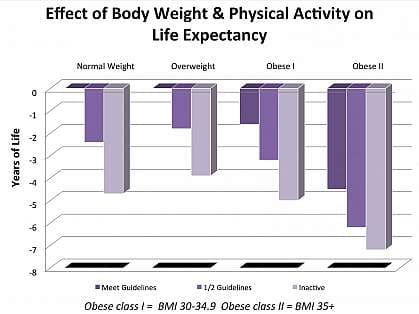
Numerous studies have consistently shown a strong correlation between regular exercise and increased lifespan. People who engage in regular physical activity tend to live longer than those who lead sedentary lifestyles. Exercise helps to reduce the risk of premature death from various causes, including heart disease, stroke, cancer, and other chronic conditions. By making exercise a priority in your life, you can potentially add years to your lifespan and enjoy a higher quality of life in your later years.
Effects of exercise on telomeres
Telomeres, the protective caps at the ends of chromosomes, play a crucial role in cellular aging. As you age, telomeres naturally shorten, leading to cellular aging and an increased risk of age-related diseases. However, exercise has been shown to counteract this process and preserve telomere length. Regular physical activity can help to maintain the integrity of telomeres, resulting in slower cellular aging and improved overall health. By staying active, you can potentially slow down the aging process and increase your chances of living a longer, healthier life.
Impact of exercise on cellular aging
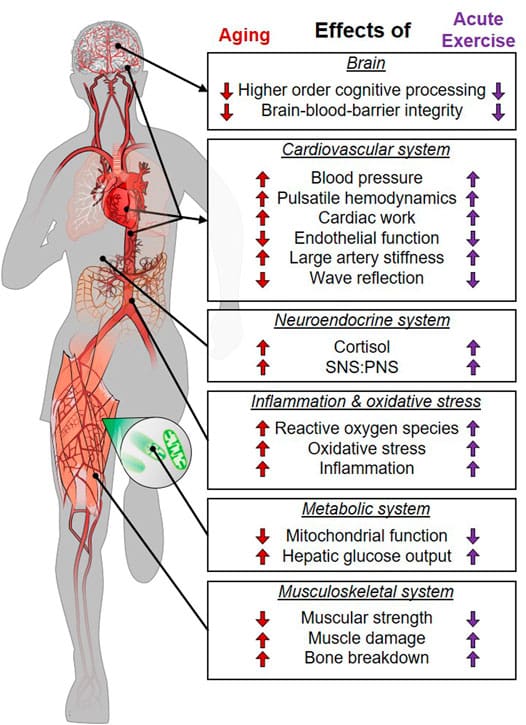
Exercise not only affects telomeres but also has a broader impact on cellular aging. It promotes cellular regeneration, reduces oxidative stress, and improves mitochondrial function. These cellular changes associated with exercise can have profound effects on your overall health and longevity. By engaging in regular physical activity, you can enhance your cellular health, delay the onset of age-related diseases, and maintain a more youthful physiology.
Types of Exercise for Aging
Aerobic exercises
Aerobic exercises, also known as cardio exercises, are activities that get your heart rate up and increase your breathing rate. These exercises are essential for maintaining cardiovascular health, burning calories, and improving overall endurance. Activities such as walking, swimming, cycling, or dancing are excellent choices for aerobic exercises. Aim to engage in at least 150 minutes of moderate-intensity or 75 minutes of vigorous-intensity aerobic activity each week to reap the maximum benefits.
Strength training
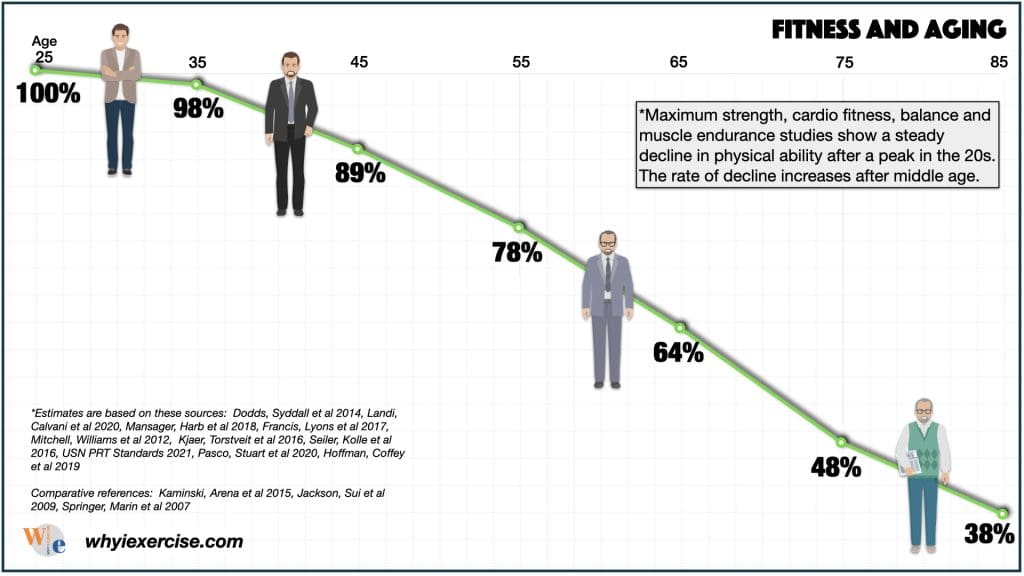
Strength training exercises are designed to build and maintain muscle mass and strength. As you age, muscle loss becomes more prevalent, leading to a decrease in physical strength and functionality. By incorporating strength training exercises into your routine, you can slow down muscle loss, increase muscle tone, and improve your overall strength. Exercises like lifting weights, using resistance bands, or performing bodyweight exercises can effectively target different muscle groups. Aim to include strength training exercises at least twice a week, targeting major muscle groups.
Flexibility exercises
Flexibility exercises focus on improving your range of motion and joint mobility. These exercises are particularly important for maintaining flexibility and preventing injuries as you age. Activities such as yoga, Pilates, or stretching routines can help improve your flexibility and keep your joints supple. Make sure to include stretching exercises in your routine on a regular basis to maintain or improve flexibility and prevent the stiffness commonly associated with aging.
Balance exercises
Maintaining good balance becomes increasingly important as you age, as falls can be more detrimental to your overall health and well-being. Balance exercises help to strengthen the muscles involved in maintaining balance and improve stability. Tai chi, yoga, or specific balance exercises like standing on one leg or heel-to-toe walking can enhance your balance and reduce the risk of falls. Include balance exercises in your routine at least two to three times per week to maintain good balance and coordination.
Recommended Exercise Guidelines
Frequency and duration of exercise
To reap the maximum benefits of exercise, it is important to adhere to recommended guidelines for frequency and duration. According to the American Heart Association and the Centers for Disease Control and Prevention, adults aged 65 and older should aim for at least 150 minutes of moderate-intensity aerobic activity or 75 minutes of vigorous-intensity aerobic activity per week, spread throughout the week. Alternatively, a combination of moderate and vigorous exercises can also be beneficial. Additionally, it is recommended to incorporate strength training exercises at least twice a week, targeting major muscle groups.
Intensity level
Determining the appropriate intensity level for your exercise routine is crucial to ensure you are challenging your body without risking injury. Moderate-intensity exercises should make you feel slightly breathless and be able to talk but not sing comfortably. Examples of moderate-intensity activities include brisk walking, swimming, or cycling at a moderate pace. Vigorous-intensity exercises, on the other hand, should make you feel more breathless, making it difficult to hold a conversation. Activities like running, high-intensity interval training, or competitive sports fall into the vigorous-intensity category. Choose exercises that suit your fitness level and gradually increase the intensity as your fitness improves.
Combining different types of exercise
To maximize the benefits of exercise, it is recommended to incorporate a combination of aerobic, strength training, flexibility, and balance exercises into your routine. This variety of exercises ensures that you are targeting different aspects of your physical fitness and overall health. By combining different types of exercise, you can improve cardiovascular health, maintain muscle strength and flexibility, enhance cognitive function, and reduce the risk of chronic diseases. Make sure to consult with a healthcare professional or a certified fitness trainer to create a personalized exercise plan that suits your individual needs and goals.
Exercise and Age-Related Conditions
Osteoporosis
Exercise plays a crucial role in the management and prevention of osteoporosis, a condition characterized by weakened bones and an increased risk of fractures. Weight-bearing exercises, such as walking, jogging, or dancing, help to strengthen bones and reduce the risk of fractures. Additionally, resistance training exercises, like lifting weights or using resistance bands, promote bone density and further decrease the risk of osteoporosis. It is important to choose exercises that are safe for individuals with osteoporosis and to consult with a healthcare professional or a certified trainer to design a suitable exercise program.
Arthritis
Regular exercise is highly beneficial for individuals with arthritis, a condition characterized by joint inflammation and pain. Low-impact exercises such as swimming, water aerobics, or cycling are gentle on the joints and help to improve joint mobility and reduce pain. Strength training exercises can also be incorporated to strengthen the muscles surrounding the joints, providing additional support and stability. It is important to start slowly and gradually increase the intensity of your exercises. If you have arthritis or any other joint-related condition, consult with a healthcare professional or a physical therapist to design an exercise program tailored to your needs.
Diabetes
Physical activity is an essential component in the management and prevention of diabetes. Exercise helps to regulate blood sugar levels, improve insulin sensitivity, and maintain a healthy weight. Both aerobic exercises and strength training can have positive effects on glycemic control. Engaging in regular physical activity not only helps to manage diabetes but can also reduce the risk of developing type 2 diabetes. It is important to monitor blood sugar levels before and after exercise, especially if you are taking medication for diabetes. Consult with your healthcare provider to tailor an exercise plan that aligns with your diabetes management.
Heart disease
Exercise plays a key role in both the prevention and management of heart disease. Engaging in regular aerobic exercises helps to strengthen the heart muscles, improve blood circulation, and lower blood pressure. It also helps to improve cholesterol levels and maintain a healthy weight, both of which reduce the risk of heart disease. However, if you have a pre-existing heart condition, it is important to consult with your healthcare provider before starting a new exercise program. They can provide guidance on appropriate exercises and intensity levels to ensure your safety.
Exercise for Mental Well-being
Reducing risk of depression and anxiety
Regular exercise has a profound impact on your mental well-being, reducing the risk of developing depression and anxiety. Physical activity promotes the release of endorphins, also known as “feel-good” hormones, which elevate mood and reduce stress. Engaging in exercises such as walking, jogging, or dancing can provide a natural boost to your mental state, enhancing feelings of happiness and overall well-being. Additionally, participating in group exercise activities or outdoor activities can provide social interaction and a sense of community, further enhancing the mental health benefits.
Improving cognitive function
Exercise not only benefits your physical health but also enhances cognitive function, improving memory, attention, and problem-solving skills. Regular aerobic exercises increase blood flow to the brain, promoting the growth of new neurons and enhancing brain function. Additionally, exercise stimulates the release of hormones that improve mood, reduce stress, and enhance cognitive abilities. Incorporating activities like brisk walking, swimming, or yoga into your routine can have a positive impact on your cognitive health, keeping your mind sharp and agile as you age.
Enhancing overall mood and self-esteem
Exercise has a powerful impact on your overall mood and self-esteem. Engaging in regular physical activity releases endorphins, which can uplift your spirits and provide a natural “high.” This sense of achievement and well-being can significantly boost your self-esteem and confidence. Additionally, exercise can improve body image and physical self-perception, contributing to an overall positive outlook on life. By incorporating exercise into your daily routine, you can enhance your mood, boost your self-esteem, and cultivate a positive mindset.
Challenges and Considerations for Exercise in Aging
Physical limitations and safety concerns
As you age, you may face certain physical limitations or health conditions that can impact your ability to exercise. It is important to consider any pre-existing health conditions, such as heart disease or joint problems, when designing an exercise program. Consult with a healthcare professional or a certified fitness trainer to identify exercises that are safe and appropriate for your specific needs. They can guide you on modifications and adaptations that can accommodate any physical limitations you may have.
Modifying exercises for specific health conditions
Certain health conditions may require modifications to exercise routines to ensure safety and optimal benefits. For example, individuals with arthritis may need to choose low-impact exercises or adjust the intensity and duration of their workouts. Individuals with chronic obstructive pulmonary disease (COPD) may benefit from specific breathing exercises to improve lung function. It is crucial to work with a healthcare professional or a physical therapist who can provide guidance on how to modify exercises to accommodate specific health conditions.
Overcoming barriers to exercise adherence
Adherence to an exercise routine can sometimes be challenging, especially as you age. Factors such as lack of motivation, time constraints, or physical discomfort may hinder consistency. It is important to set realistic goals and find activities that you enjoy. Consider making exercise a social activity by joining group classes or finding an exercise partner to hold you accountable and provide support. Additionally, breaking exercise into shorter bouts throughout the day can make it more manageable. Remember that even small amounts of exercise can make a difference and that consistency is key.
Exercise as a Social Activity for Aging Adults
Group exercise classes
Engaging in group exercise classes can provide numerous benefits for aging adults. Group classes offer a supportive and motivating environment, making exercise more enjoyable and increasing adherence to a routine. Participating in classes such as yoga, Zumba, or water aerobics can also provide opportunities for social interaction and building connections with like-minded individuals. Additionally, group classes often have certified instructors who can guide you through exercises and ensure proper form and technique, reducing the risk of injury.
Outdoor activities
Taking advantage of outdoor activities can be a great way for aging adults to stay active and enjoy the benefits of exercise. Walking or jogging in parks, hiking nature trails, or cycling in scenic areas can provide both physical and mental health benefits. Outdoor activities also expose you to natural sunlight, which promotes vitamin D synthesis, improving bone health and overall well-being. Consider exploring local parks, nature preserves, or community trails to incorporate outdoor activities into your exercise routine.
Joining sports teams or clubs
Joining sports teams or clubs geared towards aging adults can be a fantastic way to stay active, socialize, and have fun. Many communities offer recreational leagues or clubs for activities such as tennis, golf, or swimming. Being part of a sports team or club provides opportunities for friendly competition, camaraderie, and continued skill development. Engaging in team sports or group activities can also promote a sense of belonging and provide additional motivation to stay active and maintain an exercise routine.
Impact of Exercise on Geriatric Healthcare Costs
Reduced healthcare utilization
Engaging in regular exercise has the potential to reduce healthcare utilization among aging adults. Regular physical activity has been shown to prevent or manage several chronic conditions, including cardiovascular diseases, diabetes, and obesity. By maintaining good health through exercise, the need for medical interventions, hospitalizations, and other healthcare services may be reduced. This can result in lower healthcare costs for both individuals and healthcare systems.
Lower healthcare expenses
Regular exercise has the potential to lower healthcare expenses associated with chronic disease management. By reducing the risk and severity of common chronic conditions such as heart disease or diabetes, the need for expensive medications, specialized treatments, or costly interventions can be minimized. Additionally, exercise can improve overall health outcomes, leading to fewer healthcare visits, lab tests, or emergency room visits, resulting in significant cost savings for individuals and healthcare providers alike.
Implications for Policy and Public Health
Promoting exercise among aging population
Given the numerous benefits of exercise for aging adults, promoting physical activity among this population should be a public health priority. Policies and initiatives should aim to raise awareness about the importance of exercise for longevity and well-being, and provide resources and support for older adults to engage in physical activity. Public health campaigns can emphasize the link between exercise and chronic disease prevention, mental well-being, and improved quality of life, encouraging older adults to prioritize regular physical activity as an integral part of their daily lives.
Designing accessible exercise facilities and programs
To facilitate exercise participation among aging adults, creating accessible exercise facilities and programs is crucial. Fitness centers, recreation centers, and community spaces should be designed to accommodate the needs of older adults, including accessibility features, appropriate exercise equipment, and knowledgeable staff. Additionally, offering exercise programs specifically tailored to the needs and preferences of aging adults can promote inclusivity and encourage participation. By ensuring that exercise facilities and programs are age-friendly and accessible, more older adults can enjoy the benefits of exercise and experience improved health and well-being.
In conclusion, exercise has a multitude of benefits for aging adults, ranging from improved cardiovascular health and increased muscle strength to enhanced cognitive function and reduced risk of chronic diseases. Regular physical activity promotes longevity and healthy aging by positively influencing cellular aging and telomere length. Various types of exercises, including aerobic exercises, strength training, flexibility exercises, and balance exercises, contribute to overall physical fitness and well-being. Adhering to recommended exercise guidelines, modifying exercises for age-related conditions, and addressing barriers to exercise adherence are crucial considerations for aging adults. Exercise not only helps improve mental well-being, but also impacts geriatric healthcare costs by reducing healthcare utilization and expenses. Promoting exercise among aging adults and designing accessible exercise facilities and programs are important implications for policymakers and public health initiatives. By prioritizing exercise as a key component of aging well, older adults can maintain their health, vitality, and quality of life as they age.