

Maintaining good personal hygiene and cleanliness is crucial for staying healthy and preventing the spread of illnesses. In this article, you will discover a range of best practices that will help you keep yourself and your surroundings clean. From proper handwashing techniques to maintaining a clean living environment, implementing these practices will not only promote your well-being but also contribute to a healthier community. So, let’s explore the importance of personal hygiene and uncover the best tips to incorporate into your daily routine for a cleaner and healthier lifestyle.
Hand Hygiene
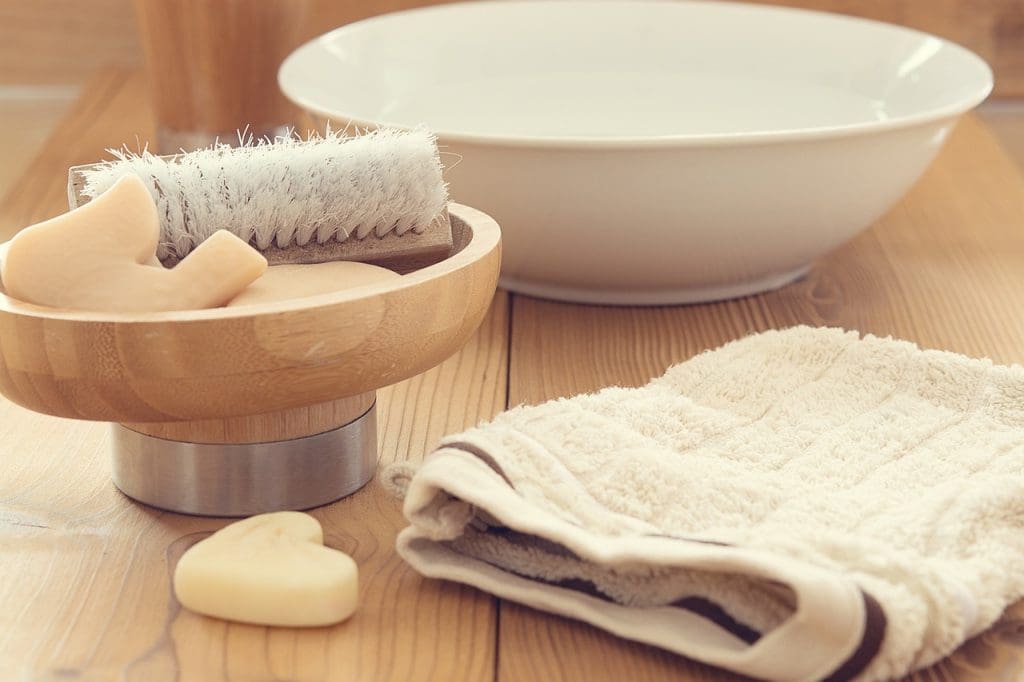
Frequent Handwashing
Frequent handwashing is one of the simplest yet most effective ways to maintain good personal hygiene and prevent the spread of germs and bacteria. It is recommended to wash your hands thoroughly with soap and water for at least 20 seconds, especially before and after certain activities such as using the restroom, preparing food, and caring for the sick. By making handwashing a regular habit, you can significantly reduce the risk of contracting illnesses and keep yourself and those around you healthy.
Proper Handwashing Technique
While handwashing may seem like a simple task, it is essential to follow proper technique to ensure effective cleaning. Begin by wetting your hands with clean and running water. Apply enough soap to cover your hands, then rub them together to create a lather. Be sure to wash the front and back of your hands, between your fingers, and under your nails. Scrub your hands for at least 20 seconds, making sure to reach all areas. Rinse your hands thoroughly under running water, and finally, dry them using a clean towel or air dryer. Remember to turn off the faucet using a paper towel to avoid recontamination.
Using Hand Sanitizer
In situations where soap and water are not readily available, using an alcohol-based hand sanitizer can be an effective alternative. Look for a sanitizer that contains at least 60% alcohol and follows the guidelines recommended by health authorities. Apply a generous amount of sanitizer to the palm of your hand, then rub it all over both hands, covering all surfaces until dry. Hand sanitizers can be particularly useful when you are on the go, but it’s important to note that they are not a substitute for proper handwashing, especially when your hands are visibly dirty or greasy.
Handwashing in Critical Situations
Certain situations call for extra attention to hand hygiene. For example, during the current COVID-19 pandemic, it is crucial to wash your hands frequently and thoroughly to reduce the risk of transmission. When caring for someone who is sick, practicing proper hand hygiene becomes even more important. Make sure to wash your hands before and after helping them with daily activities, such as administering medication or preparing meals. Additionally, it is important to wash your hands before and after touching your face, especially your eyes, nose, and mouth, as these areas can be entry points for germs.
Oral Hygiene
Brushing Your Teeth
Maintaining good oral hygiene goes beyond having a bright smile; it also contributes to overall health and well-being. Brushing your teeth at least twice a day is an essential practice to keep your teeth and gums healthy. Use a soft-bristle toothbrush and fluoride toothpaste to gently brush all surfaces of your teeth. Pay extra attention to the gumline, as bacteria can accumulate there, leading to gum disease. Replace your toothbrush every three to four months or sooner if the bristles become frayed.
Flossing
Brushing alone cannot reach all the tight spaces between your teeth, making flossing an integral part of a thorough oral hygiene routine. Dental floss helps remove plaque and food particles that are trapped between the teeth and along the gumline. To properly floss, take about 18 inches of dental floss and wind most of it around the middle finger of one hand. Hold the remaining floss tightly between your thumbs and index fingers, gently sliding it up and down between each tooth in a zigzag motion. Curve the floss around the base of each tooth to ensure complete removal of debris.
Using Mouthwash
Mouthwash can provide an additional layer of protection by reaching areas that may be missed during brushing and flossing. It helps freshen breath, reduce plaque, and fight against gum disease. Look for a mouthwash that contains fluoride and antimicrobial ingredients for maximum benefit. After brushing and flossing, rinse your mouth with the mouthwash, swishing it around for about 30 seconds before spitting it out. Avoid eating or drinking for at least 30 minutes after using mouthwash to allow the ingredients to work effectively.
Cleaning Your Tongue
While brushing and flossing target the teeth and gums, it is equally important to clean your tongue regularly. The tongue can harbor bacteria and food particles, leading to bad breath and potential oral health issues. To clean your tongue, gently scrape it with a tongue scraper or the bristles of your toothbrush from back to front. Rinse your mouth afterward to remove any residue. Incorporating this step into your oral hygiene routine will help maintain fresh breath and promote a healthier mouth.

Bathing and Showering
Frequency of Bathing or Showering
Determining how often to bathe or shower can vary depending on personal preferences, lifestyle, and individual needs. While some people prefer daily bathing, others find that bathing every other day or a few times a week is sufficient. It’s important to strike a balance between cleanliness and maintaining the skin’s natural oils, which help keep it hydrated and protected. If you have an active lifestyle, work in a physically demanding environment, or live in a hot and humid climate, more frequent bathing may be necessary to feel fresh and comfortable.
Using the Right Water Temperature
When bathing or showering, the water temperature plays a crucial role in maintaining healthy skin. Avoid using extremely hot water, as it can strip the skin of its natural oils, leaving it dry and prone to irritation. Instead, opt for warm water to cleanse your body. If you enjoy a hot bath, limit the duration to 10-15 minutes and moisturize your skin afterward to prevent it from drying out. Remember that everyone’s tolerance to water temperature may differ, so adjust the temperature to what feels comfortable for you.
Choosing Suitable Cleansing Products
Selecting the right cleansing products for your body is essential for maintaining proper hygiene and preserving the skin’s natural balance. Avoid using harsh soaps or cleansers that can strip the skin of its natural oils and disrupt the skin’s pH level. Opt for mild or pH-balanced cleansers that are suitable for your skin type. If you have sensitive skin or specific skin concerns, consult with a dermatologist to identify suitable products that will address your needs without causing irritation.
Proper Drying Techniques
After bathing or showering, it is important to dry your body properly to prevent moisture from lingering on the skin, which can lead to bacterial growth and skin issues. Gently pat your skin dry with a clean towel, paying extra attention to areas prone to moisture, such as the armpits, groin, and between the toes. Avoid harsh rubbing, as it can cause friction and irritation. If you have sensitive skin, opt for soft and absorbent towels to minimize any potential discomfort. Additionally, make sure to dry between your toes thoroughly to prevent fungal infections.
Hair Care
Choosing the Right Shampoo and Conditioner
Hair care is an integral part of personal hygiene, and choosing the right shampoo and conditioner is crucial for maintaining healthy and lustrous hair. Consider your hair type and specific needs when selecting products. For example, if you have dry and damaged hair, look for moisturizing and repairing formulations. If you have an oily scalp, opt for clarifying shampoos that help control oil production. It is also important to choose products free from harsh chemicals that can damage the hair and scalp, such as sulfates and parabens.