
Do you ever wonder if you’re breathing correctly during your workout? Believe it or not, proper breathing during exercise plays a crucial role in your performance and overall health. With each inhalation and exhalation, your body receives the much-needed oxygen to fuel your muscles and remove waste products. In this article, we will explore the importance of proper breathing techniques during exercise and how it can directly impact your fitness journey. So take a deep breath and let’s dive into the world of efficient breathing.

Importance of Proper Breathing
Proper breathing is often overlooked, but it plays a crucial role in many aspects of our lives, especially when it comes to physical exercise. By understanding and implementing the mechanics of breathing and practicing different breathing techniques, you can significantly enhance your performance, reduce fatigue, improve focus and concentration, prevent injuries, boost cardiovascular health, and promote mental well-being.
Mechanics of Breathing
Breathing involves the process of inhalation and exhalation. During inhalation, the diaphragm, a large muscle located between the chest and abdomen, contracts and moves downward, expanding the lungs. This action allows air to enter the lungs, filling them up with oxygen. On the other hand, during exhalation, the diaphragm relaxes, and the air is expelled from the lungs.
The diaphragm’s role in breathing is crucial as it helps access the full lung capacity. By breathing deeply and engaging the diaphragm, you can bring oxygen deeper into the lungs and have a more efficient exchange of gases. This ensures that your body receives an optimal amount of oxygen to fuel your muscles during exercise.
Benefits of Proper Breathing During Exercise
When it comes to exercise, proper breathing is essential for various reasons. Firstly, it increases oxygen intake. By breathing deeply and fully, you deliver a higher volume of oxygen to your bloodstream, which then reaches your muscles more efficiently. This increased oxygen delivery translates to improved energy production and enhanced endurance.
Additionally, proper breathing helps remove toxins and waste products from your body. Deep inhalation promotes the expulsion of carbon dioxide, a waste product of cellular respiration, from the lungs. This removal of toxins aids in preventing muscle fatigue and cramping, allowing you to exercise for longer periods without discomfort.
Another benefit of proper breathing during exercise is improved energy conversion. Oxygen is vital for the proper functioning of your cells, and efficient breathing ensures that an ample supply of oxygen is available for energy production. This, in turn, enhances your overall energy levels and helps you maintain optimal performance throughout your workout.
Different Breathing Techniques
Various breathing techniques can be employed to optimize your exercise routine. One such technique is diaphragmatic breathing, also known as belly breathing. This technique involves inhaling deeply, allowing your belly to rise, and exhaling fully, letting your belly fall. It engages the diaphragm and promotes deeper breaths, improving oxygenation and reducing the risk of shallow breathing.
Nasal breathing is another effective technique that involves primarily breathing through your nose, both during rest and exercise. Nasal breathing filters, warms, and humidifies the air before it reaches your lungs, ensuring cleaner and more conditioned air intake. This technique also helps regulate breathing pace, promoting relaxation and preventing hyperventilation.
Interval breathing is a technique commonly used in high-intensity exercises. It involves controlling your breath by inhaling for a specific count (e.g., four seconds) and exhaling for the same count. This technique helps stabilize your breathing pattern during intense exercise, preventing breathlessness, and optimizing oxygen utilization.
Preventing Injuries with Proper Breathing
Proper breathing not only enhances performance but also plays a vital role in preventing injuries during exercise. By focusing on your breath, you can stabilize your core muscles, including the abs, back, and pelvic floor. Engaging these core muscles serves as a natural bracing mechanism, supporting your spine and protecting it from excessive strain or injury.
Proper breathing also reduces the likelihood of muscle cramps. Muscle cramps can occur due to a lack of oxygen and electrolyte imbalances. Through deep, diaphragmatic breathing, you ensure that your muscles receive an adequate oxygen supply, reducing the risk of cramping during exercise.
Moreover, proper breathing techniques can protect your joints from unnecessary stress. By engaging the core muscles and maintaining proper alignment, you distribute the workload evenly, reducing the strain on your joints. This can help prevent joint injuries, especially when performing weight-bearing exercises or activities involving repetitive movements.
Breathing and Cardiovascular Health
In addition to the benefits for exercise performance and injury prevention, proper breathing can significantly impact your cardiovascular health. Optimizing your heart rate is one of the key advantages of proper breathing during exercise. Deep and controlled breathing helps regulate your heart rate, ensuring it stays within a healthy range. This prevents unnecessary strain on your heart and helps maintain overall cardiovascular health.
Proper breathing can also help reduce blood pressure. When you breathe deeply, the increased oxygen supply lowers the sympathetic nervous system’s activity, which is responsible for increasing blood pressure. By practicing deep breathing techniques regularly, you can help manage and reduce high blood pressure, promoting better heart health and reducing the risk of cardiovascular diseases.
Furthermore, proper breathing enhances circulation. Deep inhalation allows oxygen-rich blood to flow more efficiently to your muscles, organs, and tissues. This improved circulation promotes better nutrient delivery and waste removal, ensuring optimal functioning of your cardiovascular system and contributing to overall vitality and well-being.
Breathing and Mental Well-being
It is not just physical health that benefits from proper breathing; the advantages extend to mental well-being as well. One of the most significant benefits is stress reduction. Deep, controlled breathing activates the parasympathetic nervous system, which is responsible for the body’s rest and relaxation response. By consciously slowing down your breath and focusing on deeper inhalations and exhalations, you can effectively reduce stress levels, promoting a calmer state of mind.
Proper breathing also helps promote relaxation. Shallow breathing restricts the flow of oxygen, leading to increased tension and anxiety. By practicing deep breathing, you activate the relaxation response, which helps soothe the mind and release tension in the body. This relaxation response can greatly contribute to reducing anxiety and promoting a sense of inner peace.
Moreover, proper breathing can improve your mood and mental clarity. Deep, oxygen-rich breaths stimulate the release of endorphins, also known as “feel-good” hormones. These hormones elevate mood, reduce feelings of depression, and increase mental alertness, leading to improved cognitive functioning and overall mental clarity.
Proper Breathing Techniques for Different Exercises
Different types of exercises may require different breathing techniques to maximize their effectiveness. In cardiovascular exercises such as running, swimming, or cycling, diaphragmatic breathing is beneficial. By taking deep breaths into your belly, you can ensure sufficient oxygenation and maintain a steady rhythm, allowing you to sustain your cardiorespiratory endurance for longer periods.
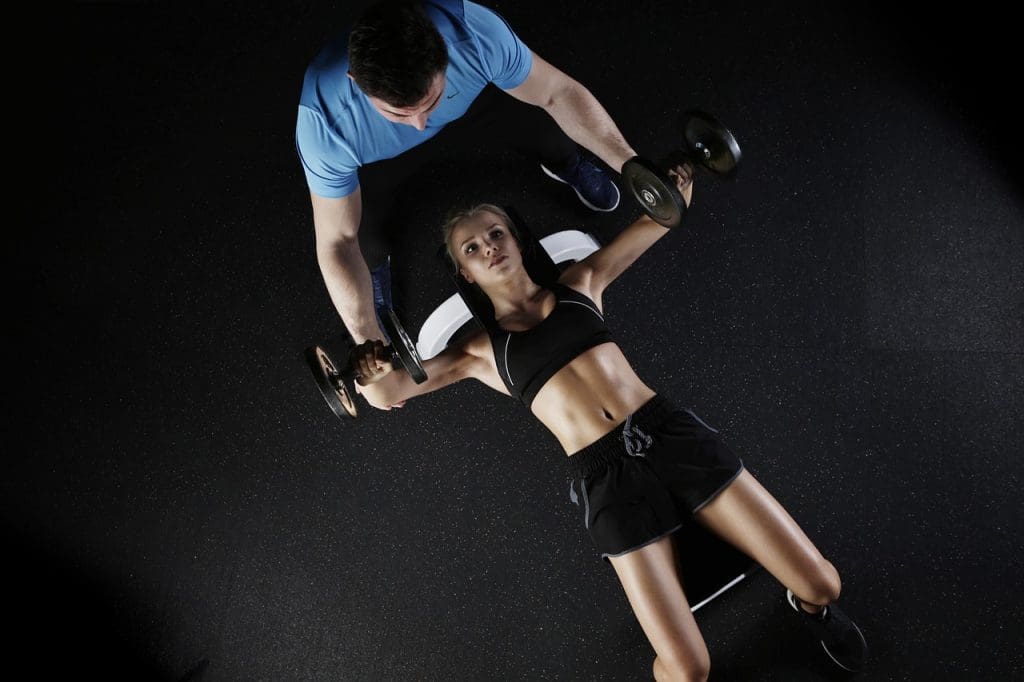
In strength training exercises, it is essential to exhale during the exertion phase and inhale during the relaxation phase. For example, when lifting weights, exhale as you exert force and inhale as you lower the weight or relax the muscles. This breathing pattern helps stabilize your core, enhance muscle engagement, and prevent unnecessary strain during strength training.
Yoga and Pilates, which emphasize mind-body connection, often incorporate specific breathing techniques. Coordinating breath with movement is crucial in these practices. For example, in yoga, the breath is synchronized with each pose to enhance the mind-body connection and promote relaxation. Practicing these techniques can help deepen your practice, improve flexibility, and enhance overall body awareness.
Common Breathing Mistakes to Avoid
While understanding the importance of proper breathing is crucial, it is equally important to be aware of common breathing mistakes that can hinder your exercise performance and overall well-being. One common mistake is shallow breathing, where you take quick, shallow breaths primarily confined to the chest. This limits the amount of oxygen reaching your muscles and can lead to early fatigue and poor performance. It is essential to focus on deep, diaphragmatic breaths to ensure sufficient oxygenation and optimal energy production.
Another mistake to avoid is holding your breath during exercise. Many people unintentionally hold their breath while exerting effort, such as during weightlifting or intense movements. Holding your breath can increase intra-abdominal pressure and restrict oxygen intake, limiting your endurance and potentially leading to dizziness or fainting. Remember to consciously breathe throughout your workout to maintain a steady flow of oxygen to your muscles.
Over-breathing is yet another mistake to be mindful of. While deep breathing is beneficial, excessive or rapid breathing can disrupt the balance of oxygen and carbon dioxide in your body. This can lead to symptoms such as lightheadedness, shortness of breath, or hyperventilation. Practice mindful breathing, aiming for deep, controlled inhalations and exhalations, without exaggeration or urgency.
Tips for Developing Proper Breathing Techniques
Developing proper breathing techniques requires consistent practice, mindfulness, and, in some cases, professional guidance. Regularly incorporating focused breathing exercises into your daily routine can help train your body and mind to adopt proper breathing habits. Set aside dedicated time each day to practice deep breathing, diaphragmatic breathing, or any other breathing technique that resonates with you.
Being mindful and aware of your breath is key to developing proper breathing techniques. Throughout the day, periodically check in with your breath. Notice if it is shallow or deep, fast or slow. Take moments to consciously slow down your breathing, focusing on deep, intentional inhalations and complete exhalations. Mindfully observing and adjusting your breath can have a profound impact on your overall well-being.
Seeking professional guidance can be immensely beneficial, especially if you are new to incorporating proper breathing techniques into your exercise routine. Consulting with a qualified fitness instructor, yoga teacher, or breathing specialist can provide personalized instructions and exercises tailored to your specific needs. They can help you understand and refine your breathing techniques, ensuring you reap the maximum benefits from proper breathing.
In conclusion, proper breathing is not just a passive action but an active tool that can significantly enhance your exercise performance and overall well-being. By understanding the mechanics of breathing, practicing different techniques, and avoiding common mistakes, you can unlock the potential of your breath to optimize your physical and mental health. Start incorporating proper breathing into your exercise routine today, and experience the transformative benefits it can bring to your life.