
Did you know that there is a powerful healing technique that doesn’t involve medication or invasive procedures? Acupressure, a form of alternative medicine, has been used for centuries to promote health and well-being. By applying pressure to specific points on the body, acupressure can help alleviate pain, reduce stress, and improve overall vitality. In this article, we will explore the remarkable power of acupressure and how it can be incorporated into your wellness routine for a natural approach to healing. Get ready to discover a new way to improve your well-being with the ancient practice of acupressure.
What is Acupressure?
Definition
Acupressure is a form of alternative medicine that involves applying physical pressure to specific points on the body. It is based on the same principles as acupuncture, but instead of using needles, acupressure utilizes finger or thumb pressure to stimulate these points. This practice is believed to promote healing, alleviate pain, and restore balance to the body’s energy flow.
History
Acupressure has a rich history that dates back thousands of years in various cultures, particularly in ancient China. It originated from the belief in Qi, the vital life force that flows through the body along invisible channels called meridians. By manipulating the acupressure points located along these meridians, practitioners aimed to correct imbalances and promote physical and emotional well-being. Over time, acupressure techniques spread to other parts of Asia, including Japan, Korea, and India, where they became integrated into traditional medicine practices.
Principles
The principles underlying acupressure are rooted in traditional Chinese medicine (TCM). According to TCM, the body’s vital energy, or Qi, flows through meridians that connect various organs and body systems. When this energy becomes blocked or imbalanced, it can lead to discomfort, pain, or illness. Acupressure aims to restore the flow of Qi and achieve harmony within the body. By stimulating specific acupressure points, practitioners believe they can regulate the energy flow and bring about positive changes in both physical and mental health.
How does Acupressure work?
Meridians and Energy Flow
Central to the practice of acupressure is the concept of meridians, which are believed to be pathways that carry Qi throughout the body. These meridians connect acupressure points, which are specific locations where pressure can be applied to influence the flow of energy. By targeting these points along the meridians, acupressure practitioners aim to restore the balance and harmony of Qi, thus alleviating symptoms and promoting overall well-being.
Stimulating Acupressure Points
To stimulate acupressure points, gentle but firm pressure is applied using the fingers, thumbs, or sometimes specialized tools. The pressure is often applied in circular or sweeping motions, targeting specific points for a certain duration. The amount of pressure applied can vary depending on the individual’s tolerance and the desired effect. It is important to note that acupressure should not cause pain or discomfort. Instead, it should create a sensation of pressure and relief as the energy begins to flow freely.
Effects on the Body
Acupressure is believed to have a range of effects on the body, both locally at the site of pressure and systemically throughout the body. Locally, acupressure can help release tension, relax muscles, and promote blood circulation in the targeted area, which can alleviate pain and discomfort. Systemically, stimulating acupressure points can influence the corresponding organ or body system connected through the meridian, thus addressing issues at a deeper level. This comprehensive approach promotes overall well-being and can contribute to a variety of health benefits.
Benefits of Acupressure
Relief from Pain and Discomfort
One of the primary benefits of acupressure is its ability to provide relief from pain and discomfort. By targeting specific acupressure points, practitioners can help alleviate headaches, back pain, menstrual cramps, and other forms of physical discomfort. Additionally, acupressure has shown promise in reducing pain associated with conditions such as arthritis, fibromyalgia, and even cancer treatment side effects. The gentle but effective pressure applied during acupressure sessions can help relax muscles, increase blood flow, and trigger the release of endorphins, the body’s natural pain-relieving hormones.
Promotes Relaxation and Stress Relief
In today’s fast-paced world, stress and anxiety are all too common. Acupressure offers a natural and non-invasive way to promote relaxation and reduce stress levels. By targeting specific acupressure points associated with relaxation and stress relief, such as those on the head, neck, and hands, practitioners can help induce a state of calmness and tranquility. The physical pressure applied during acupressure sessions stimulates the release of neurotransmitters and hormones that promote relaxation, such as serotonin and oxytocin. This can lead to improved mood, better sleep quality, and an overall sense of well-being.
Improved Blood Circulation
Acupressure can also benefit the circulatory system by improving blood flow throughout the body. By applying pressure to specific points, acupressure helps dilate blood vessels and promotes the movement of stagnant or blocked blood. This increased circulation can deliver essential nutrients and oxygen to tissues and organs more effectively, supporting their optimal function. Improved blood circulation can also aid in the removal of waste products and toxins, promoting detoxification and enhancing overall vitality.
Enhanced Immune System
A healthy immune system is vital for overall well-being and resilience against illness. Acupressure can strengthen the immune system by stimulating specific acupressure points that are associated with immune function. By promoting the flow of Qi and balancing the body’s energy, acupressure can help enhance immune response and improve the body’s ability to fight off infections and disease. Regular acupressure sessions may contribute to a stronger defense against common illnesses and a quicker recovery process.
Complementary Treatment for Various Conditions
Acupressure can be a valuable complementary treatment for a wide range of conditions. It is often used alongside conventional medical approaches and can support the management of chronic pain, digestive disorders, respiratory conditions, and even mental health issues such as anxiety and depression. Acupressure sessions can be tailored to address specific symptoms and can be integrated into a comprehensive treatment plan. It is important to consult with a qualified healthcare practitioner to determine the most appropriate approach and ensure the best possible outcomes.
Common Acupressure Points
Head and Face Points
The head and face contain numerous acupressure points that can be effective for relieving headaches, sinus congestion, and facial tension. Some commonly used points include the temples, the area between the eyebrows (third eye point), and the base of the skull (GB20).
Neck and Shoulder Points
The neck and shoulder area is a common site of tension and discomfort. Acupressure points in this region, such as the large intestine 4 point (LI4) located between the thumb and index finger, can help alleviate neck pain, shoulder tension, and headaches caused by muscle tightness.
Hand and Arm Points
The hands and arms contain several acupressure points that can be stimulated to address a variety of symptoms. The Pericardium 6 point (P6), also known as the Nei Guan point, is often used to relieve nausea, motion sickness, and anxiety. This point is located on the inside of the wrist, about three finger-widths up from the crease.
Back Points
The back is home to numerous acupressure points that can be effective for relieving back pain, muscle tension, and general discomfort. Commonly used points include the Bladder 23 point (BL23) located on the lower back, and the Governing Vessel 20 point (GV20) found on the top of the head.
Leg and Foot Points
The legs and feet are rich in acupressure points that can be stimulated for various purposes. The Spleen 6 point (SP6), located on the inner side of the lower leg, is often used for promoting digestion, relieving menstrual pain, and reducing insomnia. Additionally, the Kidney 1 point (KD1), located on the sole of the foot, is believed to help balance energy and promote overall wellness.
Acupressure Techniques
Thumb Pressure Technique
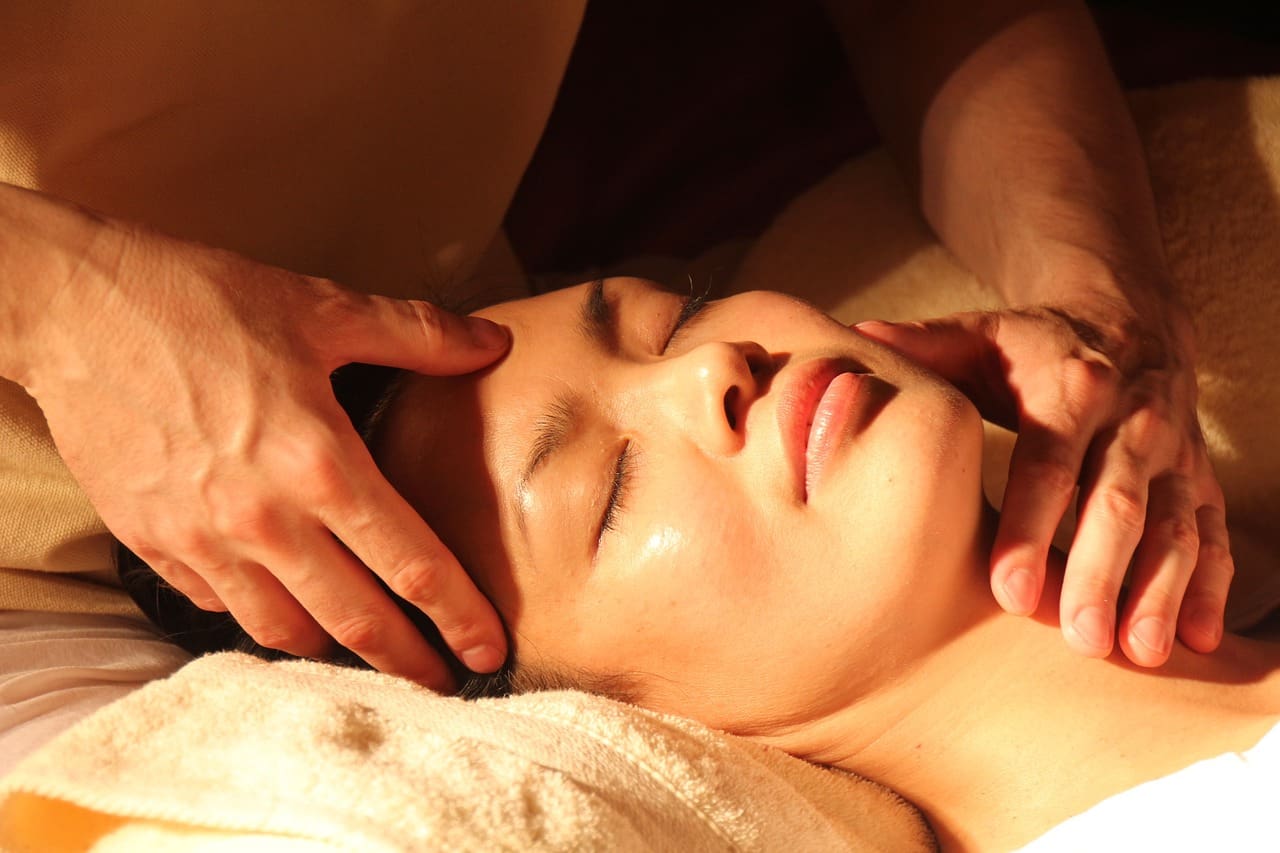
The thumb pressure technique is one of the most commonly used techniques in acupressure. It involves using the thumb to apply steady, firm pressure to the desired acupressure point. The thumb is positioned directly on the point and gentle circular or sweeping motions are utilized to stimulate the point. This technique is particularly effective when targeting smaller or more precise points.
Pressure with Other Body Parts
In addition to using the thumb, other body parts can be employed to apply acupressure. For instance, the knuckles, palms, and elbows can be used to exert pressure on acupressure points. These techniques can provide a different sensation and allow for a broader distribution of pressure. They can also be useful for reaching points that are less accessible by the thumb alone.
Rolling Technique
The rolling technique involves applying pressure to an acupressure point while simultaneously moving the finger(s) in a rolling or rubbing motion. This technique is often used when there are multiple points in close proximity, such as along the meridians on the arms or legs. The rolling motion helps to stimulate the points more consistently and can be particularly soothing for tense muscles.
Slow and Deep Pressure
Slow and deep pressure is a technique that emphasizes applying firm and sustained pressure to acupressure points. This technique involves gradually increasing the pressure on the point over a period of time, allowing the body to adjust and respond to the stimulation. Slow and deep pressure can be especially effective for relieving deep-seated tension, promoting relaxation, and supporting the body’s natural healing processes.
Massage Therapy
Massage therapy can be used as an adjunct to acupressure to enhance its effects. By combining acupressure techniques with various massage techniques, such as effleurage and kneading, the overall relaxation response can be intensified, and the muscles and tissues can be further stimulated. Massage therapy can help improve blood circulation, release muscle tension, and promote a greater sense of well-being.
Acupressure Tools
Acupressure Mat
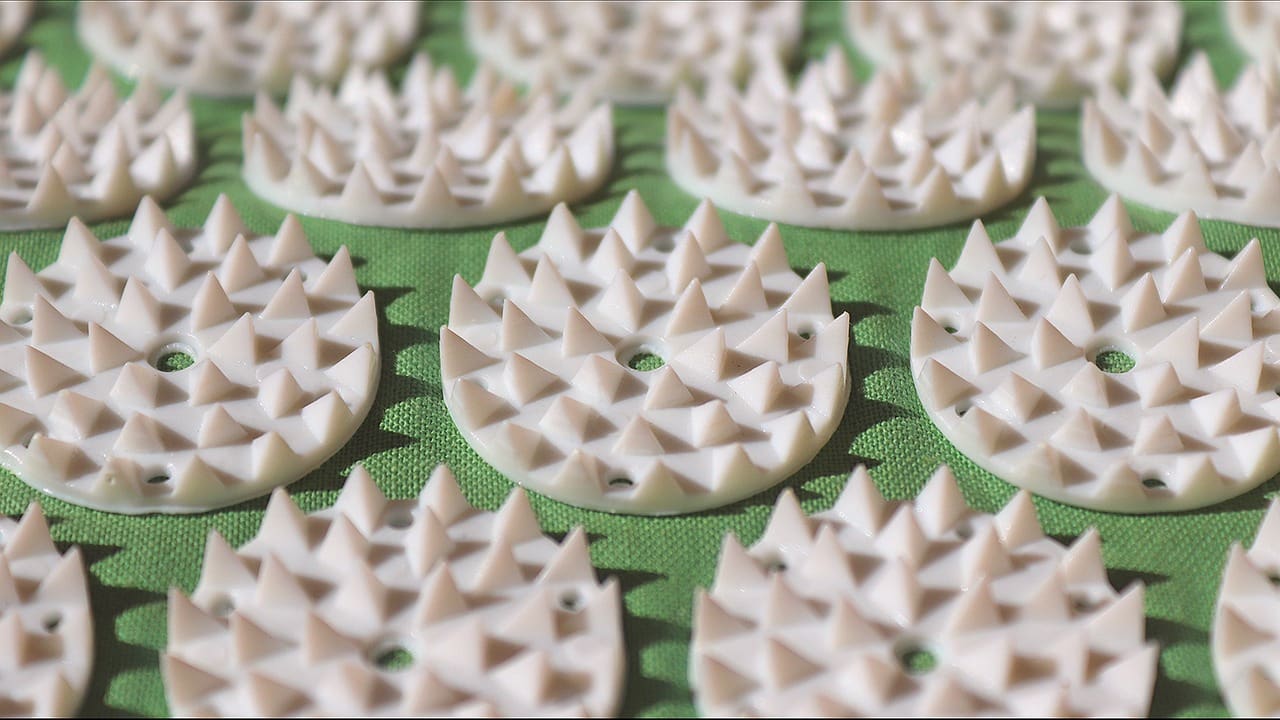
An acupressure mat, also known as a bed of nails or an acupressure mat and pillow set, is a tool specifically designed to stimulate acupressure points on the back and neck. It consists of a foam mat embedded with small plastic spikes or discs. When lying or sitting on the mat, the spikes or discs apply pressure to various acupressure points, providing a similar effect to traditional acupressure techniques. Acupressure mats are often used for relaxation, pain relief, and improving sleep quality.
Acupressure Balls
Acupressure balls, also called massage balls or trigger point balls, are small, handheld tools used to apply localized pressure to specific acupressure points. These balls are typically made of rubber or a similar material with a slightly textured surface for better grip. By rolling or pressing the balls against the body, one can target specific points and achieve a similar effect to acupressure techniques. Acupressure balls are commonly used to relieve muscle tension, stimulate circulation, and promote relaxation.
Acupressure Sticks
Acupressure sticks, also known as pressure massage sticks or reflexology sticks, are cylindrical tools with rounded ends designed for targeted acupressure point stimulation. These handheld devices can be gripped and rolled along the body, allowing for precise and sustained pressure on specific points. The acupressure sticks exert pressure on the points, stimulating them to release tension and promote relaxation. They are commonly used on the hands, feet, and other areas of the body to complement acupressure therapy.
Acupressure Rings
Acupressure rings, also called massage rings or finger massage rings, are small metal or plastic rings with protrusions or bumps along their surface. These rings are worn on specific fingers and can be rolled up and down or back and forth to apply pressure to acupressure points on the hands or fingers. The pressure from the rings stimulates these points and can help alleviate tension, improve circulation, and provide relaxation. Acupressure rings are often used to relieve finger and hand discomfort or as a portable acupressure tool for on-the-go relief.
Precautions and Safety Measures
Consultation with a Qualified Practitioner
While acupressure is generally safe, it is important to consult with a qualified healthcare practitioner before embarking on any treatment. A qualified practitioner can assess your individual health status, address concerns, and determine the best approach for your specific needs. They can also provide professional guidance on acupressure techniques, point selection, and the appropriate pressure to apply. It is essential to ensure that acupressure is safe and suitable for your condition or circumstances.
Avoiding Certain Points during Pregnancy
During pregnancy, it is crucial to exercise caution when applying acupressure. Some acupressure points are contraindicated during pregnancy as they may stimulate uterine contractions or affect the development of the fetus. It is recommended to consult with a qualified healthcare provider who specializes in pregnancy-related acupressure to ensure the safety and appropriateness of treatment during this special time.
Avoiding Open Wounds or Infections
Acupressure should be avoided directly on open wounds, cuts, or areas of infection. Applying pressure to these areas can potentially spread infections or cause further damage. It is important to allow wounds to heal and infections to resolve before engaging in acupressure. If in doubt or if you have any concerns about potential contraindications, consult with a healthcare professional for proper guidance and advice.
Research and Evidence
Studies on Acupressure Effectiveness
Numerous studies have investigated the effectiveness of acupressure for various conditions. Research has shown that acupressure can be beneficial in the management of chronic pain, including headaches, lower back pain, and osteoarthritis. Additionally, studies have demonstrated positive outcomes in reducing symptoms of anxiety, nausea, and insomnia. While further research is needed to deepen our understanding of acupressure’s mechanisms and validate its effectiveness, these findings suggest its potential as a valuable therapeutic modality.
Reviews and Meta-Analyses
Reviews and meta-analyses pooling the results of multiple studies support the potential benefits of acupressure. These comprehensive analyses have shown promising results across a range of conditions, including postoperative pain, cancer-related symptoms, and pregnancy-related discomforts. While individual studies may have limitations, meta-analyses provide a broader perspective by combining and analyzing data from multiple sources. These findings contribute to the growing body of evidence supporting the use of acupressure in clinical practice.
Acupressure in Pain Management
Pain management is one area where acupressure has shown promise. Studies have found that acupressure can significantly reduce pain intensity and improve overall pain management in various conditions, such as chronic low back pain, migraine, and postoperative pain. Acupressure’s ability to target specific points, release muscle tension, and stimulate the body’s natural pain-relieving mechanisms may contribute to its effectiveness as a complementary approach to pain management. However, it is important to work with a healthcare professional to determine the most appropriate and safe application of acupressure for pain relief.
Acupressure in Traditional Chinese Medicine
Theoretical Framework
Acupressure is deeply rooted in the theoretical framework of traditional Chinese medicine (TCM). TCM views the body as an interconnected system influenced by two opposing forces, Yin and Yang, and the flow of Qi (energy) through meridians. Acupressure is believed to help restore balance and harmony between Yin and Yang by influencing the flow of Qi at specific acupressure points. This holistic approach addresses not only physical symptoms but also considers the individual’s mental, emotional, and spiritual well-being.
Relationship with Acupuncture
Acupuncture and acupressure are closely related modalities within TCM. While acupuncture involves the insertion of thin needles into acupressure points, acupressure applies pressure to the same points using fingers or other tools. Both techniques aim to influence the flow of Qi and restore balance in the body. Acupressure is often used as a non-invasive alternative to acupuncture, particularly for individuals who are averse to needles or have conditions that may restrict the use of acupuncture.
Holistic Approach
One of the significant advantages of acupressure is its holistic approach to health and well-being. Rather than targeting specific symptoms in isolation, acupressure seeks to address the underlying imbalances within the body. By considering the entire individual and their unique constitution, acupressure practitioners can tailor treatments to promote overall health, support the body’s natural healing processes, and enhance vitality. This holistic approach recognizes the interconnectedness of the physical, emotional, and mental aspects of health and aims to restore harmony on all levels.
Integration with Western Medicine
Recognition and Acceptance
Acupressure, along with other forms of traditional medicine, has gained recognition and acceptance within the realm of Western medicine. As more individuals seek complementary and alternative approaches to health, many healthcare professionals are embracing the benefits of incorporating acupressure into their practice. The growing body of research supporting the effectiveness of acupressure, combined with positive clinical experiences, has contributed to its acceptance as a valuable therapeutic modality.
Integration in Hospitals and Clinics
Acupressure is increasingly being integrated into hospitals and clinics as part of comprehensive patient care. Integrative medicine programs, which combine conventional medical approaches with complementary therapies, often include acupressure as a treatment option. Acupressure sessions may be offered before or after surgical procedures to enhance pain management and improve recovery outcomes. Additionally, many healthcare facilities now employ certified acupressure practitioners who work collaboratively with medical teams to optimize patient outcomes.
Collaborative Treatment Approaches
Collaborative treatment approaches, where acupressure is used in conjunction with traditional Western medicine, are becoming more prevalent. This integration recognizes the complementary nature of different modalities and seeks to combine their strengths for enhanced patient care. For example, acupressure can be used alongside physical therapy to support musculoskeletal rehabilitation or as an adjunct to psychotherapy for individuals with mental health conditions. Collaborative treatment approaches can provide patients with a more comprehensive and holistic approach to their health, addressing both physiological and psychological aspects of well-being.
In conclusion, acupressure is a powerful and versatile practice within alternative medicine, with a rich history rooted in ancient traditions. Its principles, techniques, and therapeutic effects make it a valuable tool for promoting health, relieving pain, and restoring balance. As research continues to support its effectiveness and integration with Western medicine advances, acupressure is poised to become an increasingly recognized and embraced modality in healthcare. Whether seeking relief from discomfort or embarking on a journey toward optimal well-being, acupressure offers a gentle and effective path to healing.