
Ready to unlock the secret to healthy aging? Look no further than the power of positive relationships. Research has shown that maintaining strong and supportive connections with others can greatly impact our physical and mental well-being as we age. From reducing stress and increasing happiness, to boosting immune function and promoting cognitive health, the benefits of positive relationships are truly remarkable. So, let’s explore how nurturing these connections can enhance our journey towards a vibrant and fulfilling later life.
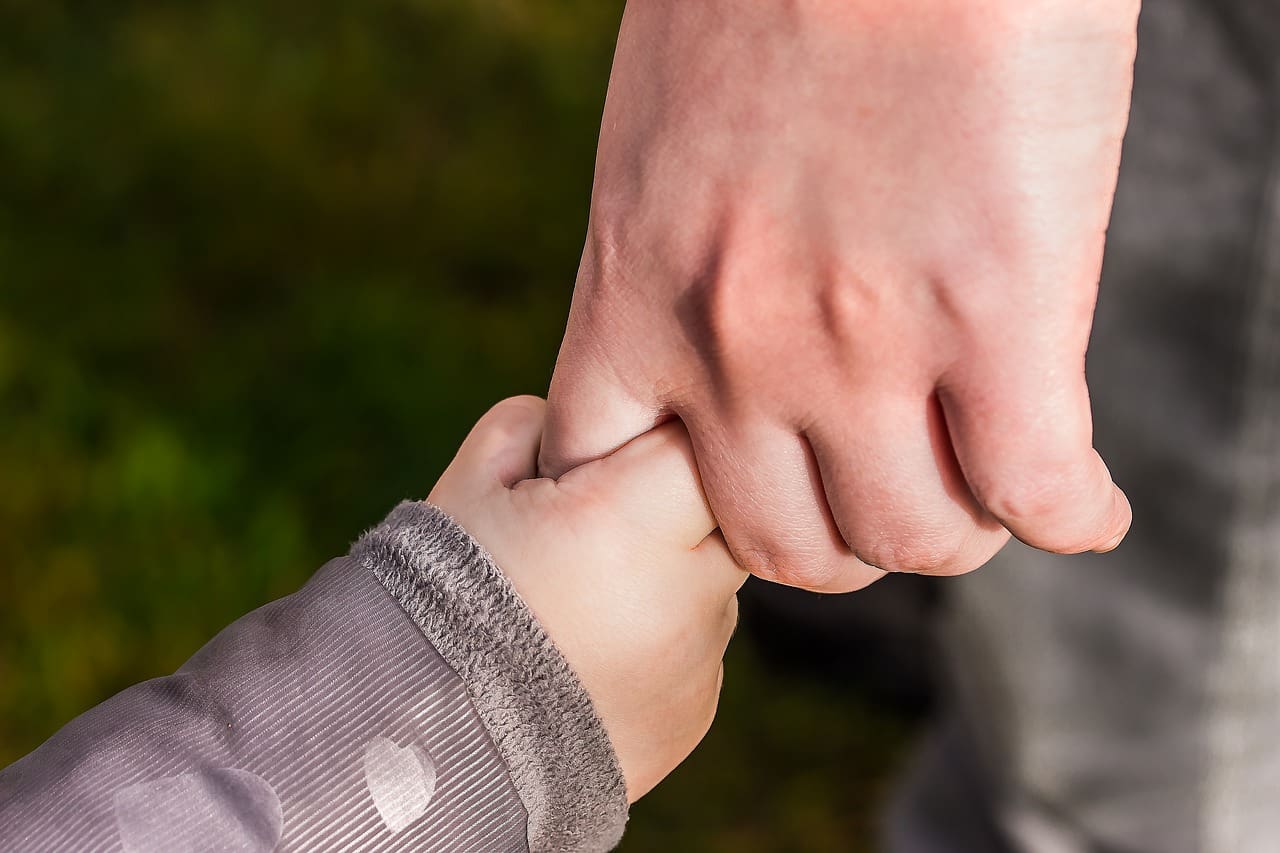
The importance of relationships in healthy aging
As you navigate through the journey of aging, one of the most vital factors that contributes to your overall well-being is the quality of your relationships. Cultivating and maintaining strong social connections is essential for healthy aging, as it provides numerous benefits for both your physical and mental health. When you have positive relationships in your life, you have access to emotional support, a sense of belonging, and a network of individuals who truly care about your well-being.
Strong social connections
Having a strong social support system is crucial for healthy aging. When you have individuals in your life that you can turn to in times of need, you have a sense of security and comfort that can significantly impact your overall well-being. Whether it’s close family members, trusted friends, or a tight-knit community, these relationships act as a safety net that provides you with a sense of connectedness and support throughout your life.
Emotional support
Positive relationships offer emotional support, which plays a pivotal role in healthy aging. When you have individuals who genuinely listen, empathize, and offer guidance during challenging times, it can alleviate feelings of stress, anxiety, and loneliness. Knowing that you have someone to confide in and lean on during both the ups and downs of life can greatly enhance your emotional well-being and overall mental health.
Sense of belonging
Feeling a sense of belonging is a fundamental human need, regardless of age. As you age, maintaining relationships that foster a sense of belonging becomes even more crucial. When you have a community or group of friends where you feel accepted, valued, and understood, it contributes to your overall happiness and life satisfaction. Having a sense of belonging also promotes a positive self-image, boosts self-esteem, and enhances your overall quality of life.
Positive effects of relationships on physical health
Did you know that cultivating positive relationships can have a significant impact on your physical health as well? Research has consistently shown a strong correlation between maintaining healthy relationships and various positive outcomes for physical well-being as you age. Here are a few of the important ways that relationships can promote better physical health:
Reduced risk of cardiovascular diseases
A strong network of social relationships has been linked to a lower risk of developing cardiovascular diseases. Engaging in meaningful connections, such as spending time with loved ones, participating in social activities, or simply having someone to talk to, can positively impact your heart health. The emotional support received from relationships can help reduce stress levels, lower blood pressure, and decrease the risk of heart-related problems.
Improved immune function
Building and maintaining positive relationships can have a direct impact on your immune system. Studies have shown that individuals with strong social connections tend to have a stronger immune response, leading to a reduced risk of infections, better wound healing, and improved overall immune function. The emotional support and positive social interactions received from relationships can boost your body’s ability to fight off illnesses and maintain optimal health.
Better management of chronic conditions
Living with a chronic condition can be challenging, but having strong relationships can make a significant difference in managing and coping with these conditions. The support, understanding, and encouragement from loved ones and friends can provide the necessary emotional strength to navigate the ups and downs of chronic illness. Furthermore, having a reliable support system can aid in better adherence to treatment plans, promote self-care practices, and improve overall health outcomes.
Mental well-being and relationships
Maintaining positive relationships plays a vital role in preserving your mental well-being as you age. Engaging with others and fostering meaningful connections can have profound effects on your mental health, leading to a happier and more fulfilling life. Here are a few ways that relationships contribute to your mental well-being:
Lower risk of depression and anxiety
Having a strong support system can significantly reduce the risk of developing depression and anxiety as you age. Positive relationships provide emotional support, companionship, and a sense of purpose, all of which can act as protective factors against mental health issues. Regular social interactions can help combat feelings of loneliness, isolation, and sadness, fostering an environment of positivity and emotional well-being.
Enhanced cognitive function
Engaging in social activities and maintaining relationships can positively impact your cognitive function. Regular mental stimulation through interactions and conversations with others can help sharpen your cognitive abilities, improve memory, and enhance overall cognitive function. Engaging in intellectually stimulating conversations and activities within your relationships promotes a healthy brain, leading to better cognitive health and potentially delaying age-related decline.
Reduced loneliness
Loneliness can be a prevalent issue as you age, but positive relationships can combat this feeling of isolation. Having fulfilling relationships with family, friends, or even joining social groups can provide a sense of companionship and decrease feelings of loneliness. Regular social interactions and meaningful connections foster a sense of belonging, ensuring that you have a support system that understands and cares for you.
The role of relationships in spiritual well-being
While relationships are known for their impact on physical and mental well-being, they also play a significant role in nurturing your spiritual well-being. Here’s how relationships contribute to your spiritual growth:
Increased sense of purpose and meaning
Having meaningful relationships can provide a sense of purpose and meaning in life. When you surround yourself with individuals who support your values and beliefs, it fosters a sense of belonging to something greater than yourself. Sharing meaningful experiences, engaging in deep conversations, and providing support to one another contribute to a heightened sense of purpose and fulfillment.
Support in times of crisis
During difficult times and times of crisis, positive relationships become even more crucial. Having loved ones or a support system to rely on during challenging moments can provide comfort, strength, and perspective. The emotional support and understanding from relationships can ease the burden and help you navigate through challenging situations, fostering emotional resilience and spiritual well-being.
Nurturing personal growth
Positive relationships offer a fertile ground for personal growth and self-discovery. Engaging with others who have different perspectives, experiences, and beliefs can help broaden your horizons, deepen your understanding of the world, and promote personal growth. Through conversations, sharing of knowledge and experiences, and support from relationships, you have the opportunity to evolve and develop as an individual, leading to a more enriching spiritual life.

Social engagement and relationships
Engaging in social activities and having positive relationships not only contributes to your overall well-being but also enhances your quality of life. Here are a few benefits that social engagement and relationships bring to your life as you age:
Enhanced quality of life
Building and maintaining positive relationships leads to an overall improvement in your quality of life. Engaging in social activities, participating in hobbies, and spending time with loved ones provide joy, fulfillment, and a sense of happiness. Social interactions and meaningful connections bring fun, excitement, and purpose, making your life more meaningful and enjoyable.
Increased longevity
Research has consistently shown that individuals with a strong social support system tend to live longer and have better health outcomes. Positive relationships contribute to longevity by providing emotional support, reducing stress levels, and promoting healthy behaviors. When you have individuals in your life who care about your well-being, it promotes better self-care practices and encourages healthier lifestyle choices, ultimately leading to a longer and healthier life.
Improved self-esteem
Positive relationships play a significant role in boosting your self-esteem and self-worth. When you are surrounded by individuals who value and respect you, it fosters a positive self-image and enhances your confidence. Regular social interactions, receiving support and validation from loved ones, and engaging in meaningful conversations all contribute to a healthier sense of self and improved self-esteem.
Building and maintaining relationships in older age
Building and maintaining relationships in older age may require some effort, but the benefits far outweigh the challenges. Here are a few strategies to help you build and maintain positive relationships as you age:
Joining social groups and clubs
Engaging in social groups and clubs related to your interests can bring you in contact with individuals who share similar passions. Whether it’s joining a book club, a sports team, or a gardening group, participating in these activities allows you to connect with like-minded people and build new relationships based on common interests.
Volunteering and community involvement
Volunteering not only allows you to give back to the community but also provides an opportunity to meet new people. Engaging in volunteer work can introduce you to individuals who share your values and are passionate about making a positive impact in the world. Volunteering together can foster a sense of connection and create lasting friendships.
Strengthening existing relationships
While building new relationships is important, nurturing and strengthening existing relationships is equally essential. Regularly reaching out to family members, friends, and loved ones, whether through phone calls, video chats, or in-person visits, helps maintain and deepen your connections. Making an effort to stay in touch and show you care strengthens the bond and ensures the longevity of these relationships.

Technology and relationships in aging
Technology has become an invaluable tool for maintaining and enhancing relationships in older age. Here are a few ways technology can help you stay connected:
Using social media to connect with others
Social media platforms, such as Facebook and Instagram, can facilitate connections with friends and family, allowing you to stay updated on their lives even if you are physically distanced. Sharing photos, updates, and engaging in conversations through these platforms can help bridge the gap and maintain strong relationships.
Online communities and support groups
The internet offers a variety of online communities and support groups where you can find individuals who share similar experiences, interests, or challenges. Engaging in these online communities allows you to connect with like-minded people, provide and receive support, and build meaningful relationships without geographical limitations.
Technology-assisted communication
Video calls, text messaging, and email have made communication easier and more accessible, regardless of distance. Using these technology-assisted communication methods, you can regularly connect with loved ones, share updates, and engage in meaningful conversations, even if you are physically apart. These tools bridge the gap and ensure that distance does not hinder the quality of your relationships.
Caregiver relationships and healthy aging
For those who require caregiver support, fostering positive relationships with family members, caregivers, and healthcare professionals is vital for healthy aging. Here’s why caregiver relationships are essential:
Importance of family and caregiver support
Family members and caregivers play a crucial role in supporting individuals as they age. The emotional support, assistance with daily activities, and companionship from caregivers ensure a higher quality of life and promote overall well-being. Building positive relationships with caregivers and maintaining open lines of communication are essential for healthy aging.
Respite care and professional assistance
Taking care of oneself while caring for a loved one can be challenging. Seeking respite care or professional assistance can provide a break for caregivers, allowing them to recharge and prioritize their own well-being. Building relationships with professional caregivers ensures that your loved ones receive the best care possible while also giving you peace of mind.
Open communication and collaboration
Maintaining open communication and collaborating with caregivers regarding your needs and preferences can lead to a more personalized and effective caregiving experience. By actively participating in the caregiving process, you establish a partnership with your caregiver, which fosters trust, understanding, and a higher quality of care.
Intergenerational relationships and healthy aging
Interacting with younger generations can bring numerous benefits to older adults, promoting healthy aging and fostering mutual understanding. Here’s why intergenerational relationships are valuable:
Benefits of interacting with younger generations
Interacting with younger generations brings a valuable exchange of knowledge, perspectives, and experiences. Learning from each other cultivates a sense of curiosity, broadens your horizons, and promotes personal growth. Additionally, spending time with younger individuals can be energizing and provide a fresh outlook on life, contributing to your overall well-being.
Contributing wisdom and experiences
As an older adult, you have a wealth of wisdom, experiences, and stories to share with younger generations. By engaging in intergenerational relationships, you have the opportunity to pass on valuable life lessons and help shape the future. Sharing your knowledge and experiences fosters a sense of purpose and fulfillment, while younger individuals benefit from your guidance and wisdom.
Promoting understanding and empathy
Interacting with younger generations promotes understanding and empathy across age groups. Building relationships with individuals from different generations allows for the exchange of perspectives, challenges age-related stereotypes, and fosters mutual respect and understanding. These connections create a more inclusive and compassionate society, benefiting both younger and older individuals.
Challenges and solutions for maintaining relationships in later life
While maintaining relationships in later life comes with its challenges, there are solutions to overcome them. Here are a few common challenges and potential solutions:
Memory and cognitive decline
Memory and cognitive decline can make it challenging to maintain relationships. However, open communication and understanding from loved ones can help bridge the gap. Staying engaged in social activities, participating in memory-enhancing exercises, and relying on technology-assisted communication methods can also help mitigate the impact of cognitive decline on your relationships.
Physical limitations and mobility issues
Physical limitations and mobility issues can restrict social interactions. However, making adjustments to your environment, seeking accessible social activities, and availing transportation services can help overcome these limitations. Additionally, reaching out to loved ones, joining virtual communities, and engaging in technology-assisted communication methods can help you stay connected despite physical limitations.
Overcoming age-related stereotypes and biases
Age-related stereotypes and biases can hinder the formation and maintenance of relationships. One solution is actively challenging age-related stereotypes and promoting intergenerational interactions. Engaging in activities that showcase the abilities and strengths of older adults, advocating for equality and inclusivity, and fostering relationships that transcend age barriers all contribute to breaking down stereotypes and promoting positive relationships in later life.
In conclusion, positive relationships are an essential pillar of healthy aging. They provide emotional support, a sense of belonging, and numerous benefits for physical, mental, and spiritual well-being. By investing in and nurturing relationships, engaging in social activities, leveraging technology, and embracing intergenerational connections, you can enjoy a fulfilling and vibrant life as you age. Remember, the power of positive relationships is a key ingredient to healthy aging, so prioritize your social connections and reap the benefits for years to come.