
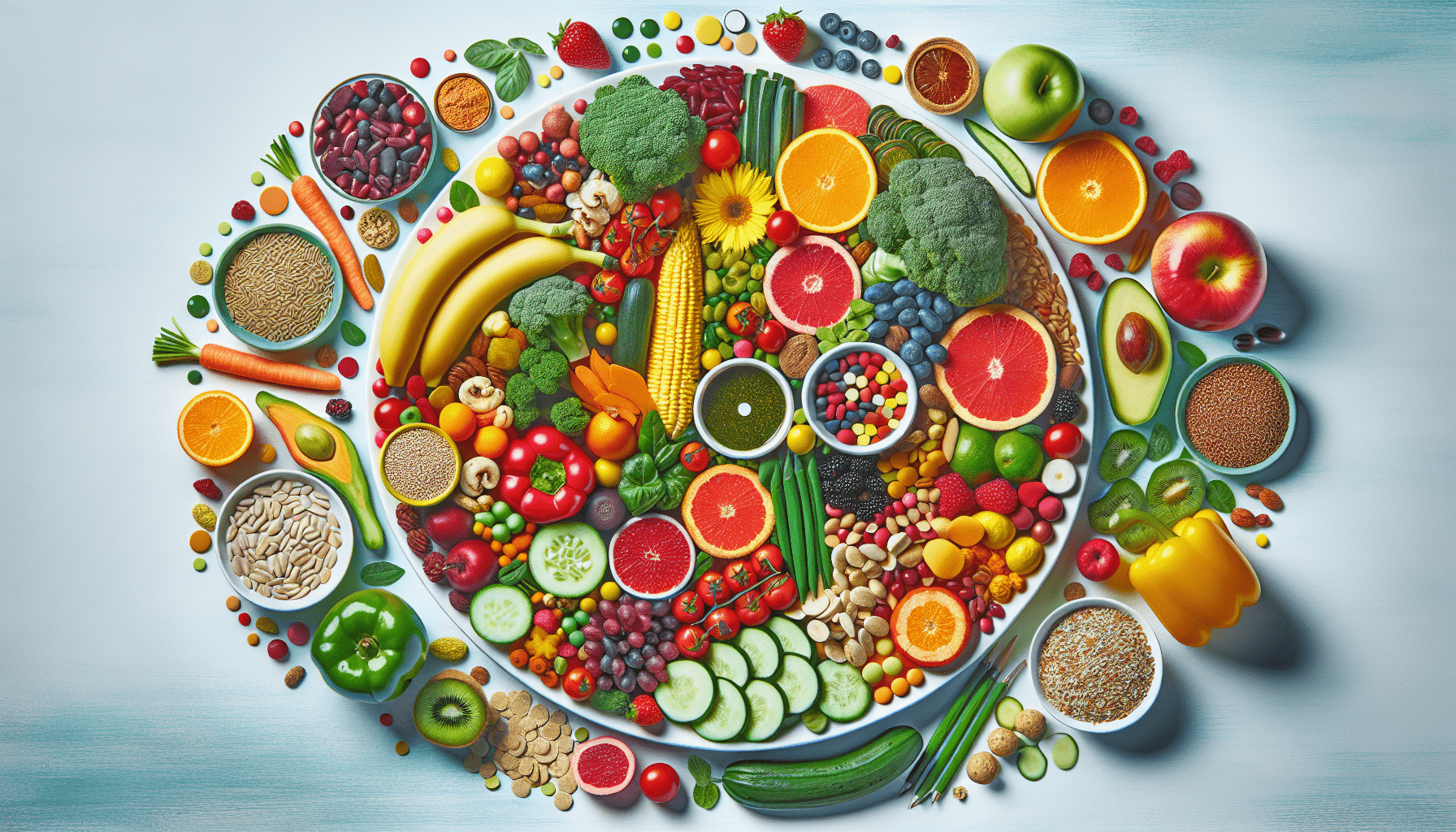
You might not realize it, but the food you eat plays a crucial role in preventing health issues. Nutrition is not just about satisfying your hunger; it is about providing your body with the essential nutrients it needs to stay healthy and ward off diseases. In this article, we will explore the important role of nutrition in preventive health and how making conscious choices about what you put on your plate can have a significant impact on your overall well-being. So, get ready to discover the power of nutrition and take control of your health!
Introduction
Welcome to this comprehensive article on the role of nutrition in preventive health! In this article, we will explore how proper nutrition and a balanced diet can play a significant role in reducing the risk of chronic diseases, improving immune function, promoting healthy aging, and supporting mental well-being. We will also delve into the importance of essential vitamins, beneficial minerals, healthy fats, and quality protein in maintaining good health. Moreover, we will discuss the concept of a balanced diet, the role of antioxidants in neutralizing free radicals, and the link between nutrition and mental health. Additionally, we will highlight the benefits of nutrition counseling and education, explore the importance of nutrition in different life stages, and address key nutritional challenges such as food insecurity, nutrition disparities, obesity, and overnutrition. So, let’s dive in and discover the essential role that nutrition plays in preventive health!
Nutrition and Disease Prevention
Reducing the Risk of Chronic Diseases
A well-balanced and nutrient-rich diet is crucial for reducing the risk of chronic diseases. Consuming a variety of fruits, vegetables, whole grains, lean proteins, and healthy fats provides essential nutrients, antioxidants, and fiber that support overall health. Such a diet can help prevent conditions such as heart disease, diabetes, certain cancers, and obesity. By nourishing your body with the right nutrients, you are fortifying your defense against these chronic ailments.
Improving Immune Function
A robust immune system is vital for fighting off infections and diseases. Proper nutrition plays a significant role in enhancing immune function. Nutrients like vitamins A, C, E, and minerals such as zinc and selenium are essential for maintaining a healthy immune system. Including a variety of colorful fruits and vegetables, whole grains, nuts, seeds, and lean proteins in your diet can help strengthen your immune system and keep you feeling your best.
Promoting Healthy Aging
The aging process can be influenced by various factors, including nutrition. Adequate intake of nutrients such as antioxidants, vitamins, minerals, and omega-3 fatty acids can help support healthy aging. These nutrients help protect against cellular damage, reduce inflammation, and maintain brain health. By adopting a nutrient-dense diet and making healthy lifestyle choices, you can promote graceful aging and maintain your quality of life as you grow older.
Key Nutrients for Preventive Health
Essential Vitamins
Vitamins are organic compounds that are essential for various bodily functions. Incorporating a wide array of fruits, vegetables, whole grains, and lean proteins into your diet ensures an adequate intake of vitamins. Vitamin C plays a crucial role in immune function, wound healing, and collagen production. Vitamin A supports vision health and helps maintain healthy skin. Vitamin D is important for bone health and immune function. B vitamins are essential for energy production and brain function. Including these vitamins in your diet helps support overall health and prevents deficiencies.
Beneficial Minerals
Minerals are also vital for optimal health and wellness. Calcium is crucial for bone health, while iron is important for oxygen transport. Magnesium helps regulate muscle and nerve function, and potassium supports heart health. By consuming a diverse range of foods such as dairy products, leafy greens, lean meats, and legumes, you can ensure you are meeting your mineral requirements.
Healthy Fats
Contrary to popular belief, not all fats are bad for you. Healthy fats, such as omega-3 fatty acids found in fatty fish, walnuts, and flaxseeds, are beneficial for heart health, brain function, and reducing inflammation. Monounsaturated fats present in avocados, olive oil, and nuts can also support heart health. Including these healthy fats in your diet in moderation can provide essential nutrients and promote preventive health.
Quality Protein
Protein is an essential macronutrient that plays a crucial role in building and repairing tissues, supporting muscle function, and maintaining a healthy immune system. Incorporating lean sources of protein such as poultry, fish, tofu, legumes, and low-fat dairy products into your diet helps ensure an adequate intake of amino acids, the building blocks of protein. Protein also helps keep you feeling full, reducing the likelihood of overeating.
The Importance of a Balanced Diet
Understanding Macronutrients and Micronutrients
A balanced diet is crucial for optimal health and preventive care. It involves consuming the right proportions of macronutrients (carbohydrates, fats, and proteins) and micronutrients (vitamins and minerals) to meet your body’s needs. Carbohydrates provide energy, fats support various bodily functions, and proteins are essential for tissue repair and synthesis. By understanding the role of macronutrients and micronutrients and including them in appropriate proportions in your diet, you can maintain a balanced and nourishing eating pattern.
Portion Control and Energy Balance
In addition to consuming the right nutrients, portion control and energy balance are important aspects of a balanced diet. Portion control involves eating appropriate serving sizes to prevent overeating, while energy balance means consuming an appropriate amount of calories to maintain a healthy weight. Understanding your energy needs and monitoring portion sizes can help you achieve a balance between energy intake and expenditure, promoting overall well-being.
The Role of Antioxidants
Neutralizing Free Radicals
Antioxidants play a crucial role in protecting the body from oxidative stress caused by harmful substances called free radicals. Free radicals can damage cells, leading to chronic diseases such as heart disease and cancer. Antioxidants, found in abundance in fruits, vegetables, and other plant-based foods, help neutralize free radicals and prevent cell damage. Including a variety of antioxidant-rich foods in your diet can help support your body’s defense against oxidative stress.
Protecting Against Oxidative Stress
Oxidative stress occurs when there is an imbalance between free radicals and antioxidants in the body. This imbalance can lead to cellular damage and inflammation. Consuming foods rich in antioxidants, such as berries, leafy greens, nuts, and seeds, helps protect against oxidative stress and reduces the risk of chronic diseases. By including a variety of colorful and nutrient-dense foods in your diet, you can support your body’s natural defense system and promote preventive health.
The Link Between Nutrition and Mental Health
Impact of Diet on Brain Function
The food you eat not only affects your physical health but also plays a significant role in your mental well-being. Research suggests that a nutrient-dense diet can improve brain function, mood, and overall mental health. A diet rich in omega-3 fatty acids, antioxidants, B vitamins, and magnesium has shown positive effects on brain health and reducing the risk of mental health disorders. Consuming foods such as fatty fish, leafy greens, whole grains, and legumes can support your brain’s health and contribute to better mental well-being.
Nutrients that Support Mental Well-being
Certain nutrients have been found to have a positive impact on mental well-being. For example, omega-3 fatty acids found in fatty fish, walnuts, and chia seeds have been associated with reduced risk of depression and improved cognitive function. B vitamins, including folate, vitamin B12, and vitamin B6, are essential for neurotransmitter synthesis, which affects mood regulation. Foods rich in these nutrients, such as fortified cereals, legumes, leafy greens, and lean meats, can contribute to better mental health. Additionally, antioxidant-rich fruits and vegetables have been linked to a lower risk of mental health disorders and better overall cognitive function.
Nutrition Counseling and Education
The Benefits of Nutrition Counseling
Nutrition counseling can be a valuable tool for individuals seeking to improve their dietary habits and overall health. A nutrition counselor can provide personalized guidance and support, taking into consideration your specific needs, goals, and health conditions. By working with a nutrition counselor, you can gain knowledge about proper nutrition, develop healthier eating habits, and receive practical advice on meal planning and food choices. Nutrition counseling can empower you to make informed decisions about your diet, leading to improved preventive health outcomes.
Promoting Behavior Change
Understanding the importance of nutrition is one thing, but making lasting changes to your diet and lifestyle is another. Nutrition education aims to bridge this gap by providing individuals with the knowledge, skills, and motivation necessary for behavior change. Through nutrition education, you can learn about healthy food choices, portion control, label reading, and meal preparation techniques. By empowering individuals to make healthier choices and develop sustainable habits, nutrition education plays a crucial role in promoting preventive health.
Nutrition in Different Life Stages
Prenatal Nutrition
Proper nutrition during pregnancy is vital for the health and development of both the mother and the baby. Nutrient-dense foods, such as fruits, vegetables, whole grains, lean proteins, and dairy products, provide the necessary vitamins, minerals, and energy for fetal growth. Adequate intake of folic acid, iron, calcium, and omega-3 fatty acids supports the development of the baby’s brain, bones, and organs. Prenatal nutrition also plays a role in reducing the risk of birth defects and complications during pregnancy. Seeking guidance from a healthcare professional and following a well-balanced diet is crucial during this important life stage.
Childhood Nutrition
Childhood is a critical period for growth, development, and establishing healthy eating habits. Providing children with a diet that is rich in fruits, vegetables, whole grains, lean proteins, and dairy products is key to ensuring they receive the necessary nutrients for growth and development. Nutrients such as calcium, vitamin D, iron, and omega-3 fatty acids support bone health, brain development, and immune function in children. Encouraging a varied and balanced diet from a young age sets the foundation for a lifetime of preventive health.
Teenage Nutrition
Adolescence is a time of rapid growth and development, making proper nutrition crucial for teenagers. Teenagers have increased nutrient needs to support their growing bodies. A balanced diet that includes a variety of whole foods, lean proteins, fruits, vegetables, and whole grains helps provide the necessary nutrients for optimal growth, immune function, and brain development. Promoting healthy eating habits and educating teenagers about nutrition empowers them to make informed food choices and develop positive lifelong habits.
Adult Nutrition
As adults, maintaining a well-balanced diet remains key to preventive health. Consuming a variety of nutrient-dense foods and paying attention to portion sizes can help meet the body’s nutritional requirements and prevent chronic diseases. Incorporating whole grains, lean proteins, fruits, vegetables, healthy fats, and low-fat dairy products into your diet helps ensure you are receiving a range of nutrients necessary for overall well-being. Monitoring your intake of added sugars, saturated fats, and sodium is also important for maintaining a healthy lifestyle.
Senior Nutrition
Nutritional needs change as we age, and proper nutrition becomes even more crucial for seniors. Older adults may have reduced appetite or difficulty chewing and swallowing, which can affect their nutrient intake. Adequate intake of calcium, vitamin D, vitamin B12, and fiber is crucial for maintaining bone health, preventing cognitive decline, and promoting digestive health in seniors. Encouraging a varied and nutrient-rich diet, along with considering any specific health conditions, can support the nutritional needs of older adults and contribute to healthy aging.
Addressing Nutritional Challenges
Food Insecurity
Food insecurity refers to the lack of access to adequate and nutritious food. It is a significant challenge that affects the health and well-being of millions of individuals and families worldwide. Food banks, community organizations, and government programs play a vital role in addressing food insecurity by providing nutritious meals, food assistance programs, and education on budgeting and meal planning. By addressing the root causes of food insecurity and promoting access to nutritious food, we can work towards preventing chronic diseases and improving the overall health of individuals and communities.
Nutrition Disparities
Nutrition disparities exist when certain populations or communities have limited access to healthy, affordable food options. Factors such as socioeconomic status, location, and cultural barriers can contribute to these disparities. It is important to address these disparities by promoting policies and programs that ensure equal access to nutritious foods across all communities. Education on healthy eating, community gardens, farmers markets, and collaborations between local organizations can help bridge these gaps and promote preventive health for everyone.
Obesity and Overnutrition
Obesity and overnutrition have become significant public health concerns globally. Overconsumption of calories, unhealthy food choices, and sedentary lifestyles contribute to the rise in obesity rates. Addressing these challenges requires a multifaceted approach that includes nutrition education, policy changes, and community initiatives. By promoting healthier food options, advocating for clearer food labeling, and encouraging regular physical activity, we can tackle the obesity epidemic and support preventive health for individuals of all ages.
Conclusion
In conclusion, nutrition plays a fundamental and multifaceted role in preventive health. From reducing the risk of chronic diseases to improving immune function, promoting healthy aging, supporting mental well-being, and addressing nutritional challenges, the impact of nutrition is vast. By adopting a well-balanced and nutrient-dense diet, incorporating key nutrients, practicing portion control, and understanding the significance of antioxidants, we can protect and nourish our bodies. Nutrition counseling and education offer valuable guidance on making behavior changes and establishing healthier eating habits. Additionally, nutrition is vital in different life stages, from prenatal nutrition to senior nutrition. By addressing nutritional challenges such as food insecurity, nutrition disparities, obesity, and overnutrition, we can strive towards a healthier future for all. So, embrace the power of nutrition and take charge of your preventive health starting today!