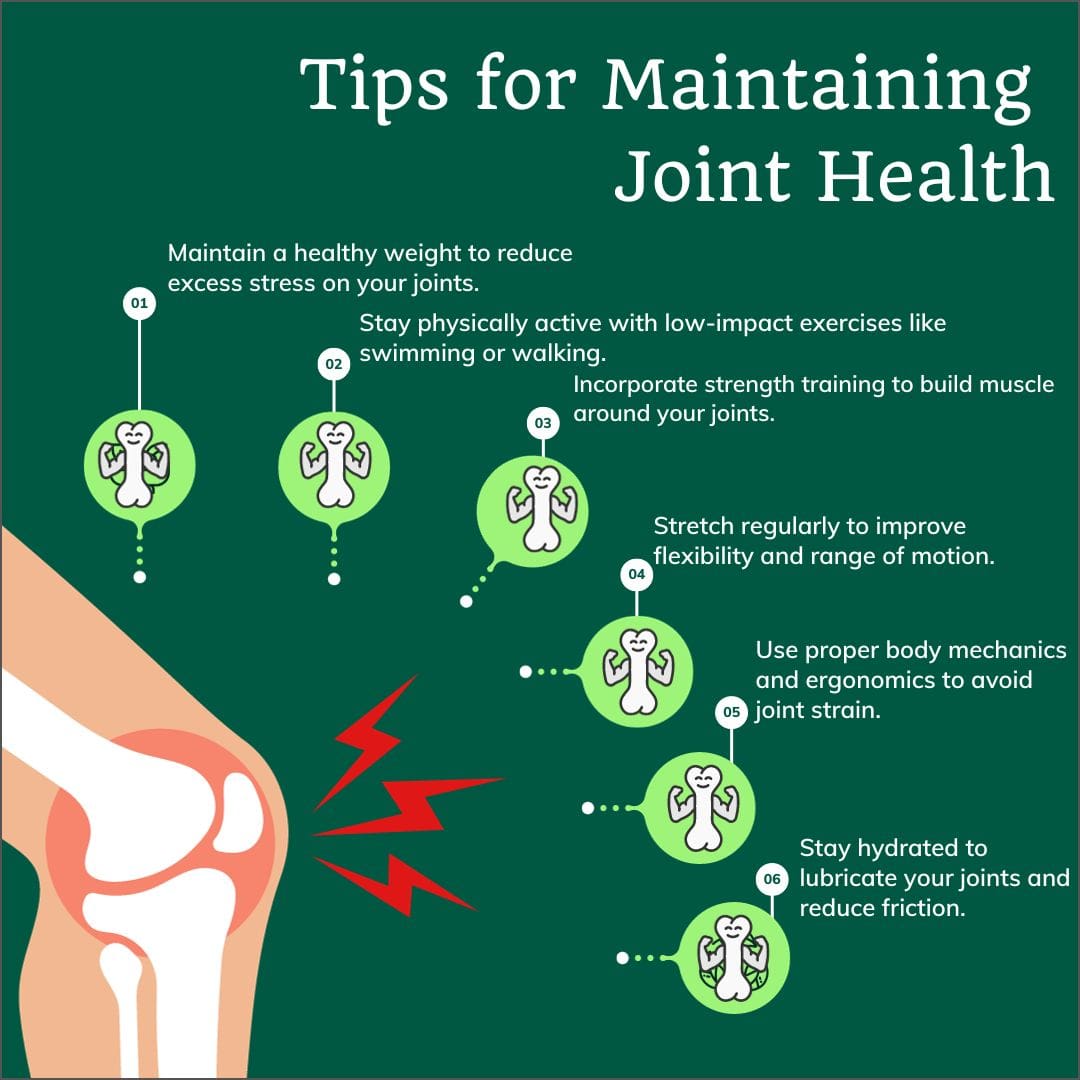
Are you struggling to find ways to stay active due to joint pain? Look no further! In this article, we will explore the best ways for you to keep moving and stay active, even with joint pain. Whether you have arthritis, a sports-related injury, or simply experience discomfort in your joints, we have got you covered. Discover practical tips, effective exercises, and lifestyle changes that will help you maintain a healthy and active lifestyle while minimizing pain and discomfort. Say goodbye to a sedentary lifestyle and hello to a more fulfilling, active one with these expert-approved strategies.
Low-impact exercises
Walking
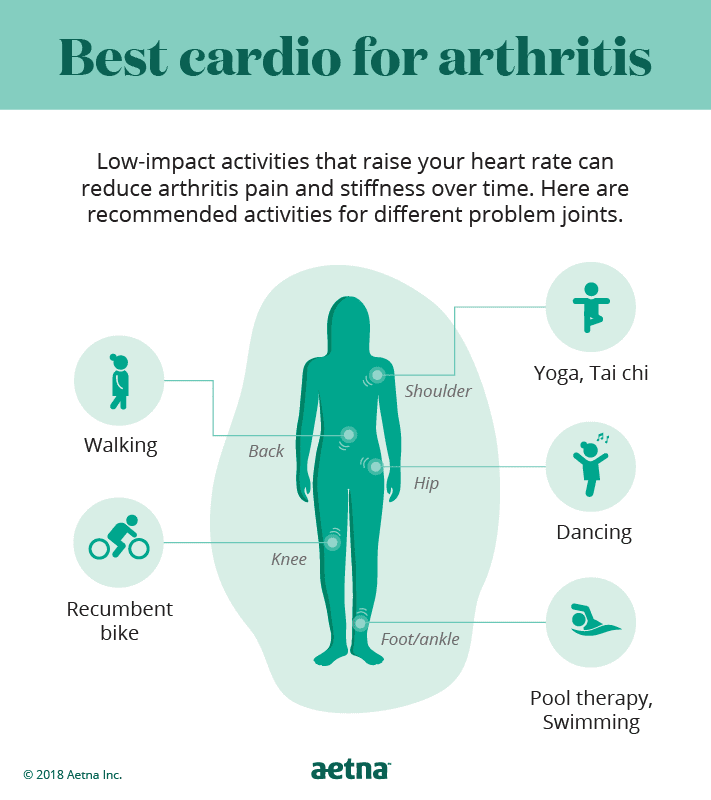
Walking is a fantastic low-impact exercise that can be easily incorporated into your daily routine. It’s a simple yet effective way to stay active while also being gentle on your joints. Whether you prefer a leisurely stroll around the neighborhood or a brisk walk in the park, walking allows you to get your heart rate up without putting excessive stress on your joints.
Swimming
Swimming is often hailed as one of the best exercises for individuals with joint pain. When you’re immersed in water, the buoyancy reduces the impact on your joints, making it easier and more comfortable to move. Whether you choose to swim laps, take a water aerobics class, or simply float around in the pool, swimming is a great way to increase your cardiovascular fitness and strengthen your muscles without aggravating your joint pain.
Cycling
Cycling is another low-impact exercise that offers numerous benefits for individuals with joint pain. Whether you opt for a stationary bike, a traditional bicycle, or a recumbent bike, cycling allows you to engage in a cardiovascular workout without putting excessive strain on your joints. You can easily adjust the intensity level to suit your fitness level and comfort, making it a versatile exercise option for individuals of all ages and abilities.
Yoga
Yoga is well known for its ability to improve flexibility, strength, and balance. It combines gentle stretching with controlled breathing, providing holistic benefits for the mind and body. Yoga can be modified to accommodate individuals with joint pain, with options for chair yoga or using props like blocks and bolsters. The low-impact nature of yoga makes it an ideal exercise choice for individuals who want to stay active and maintain joint health in a mindful and gentle way.
Strength training
Use resistance bands
Resistance bands are versatile, affordable, and effective tools for strength training. They provide resistance that helps build muscle strength without putting excessive stress on your joints. You can easily incorporate resistance band exercises into your routine at home or while traveling, making it a convenient option for individuals with joint pain. By gradually increasing the resistance, you can progressively challenge your muscles and improve your overall strength.
Practice bodyweight exercises
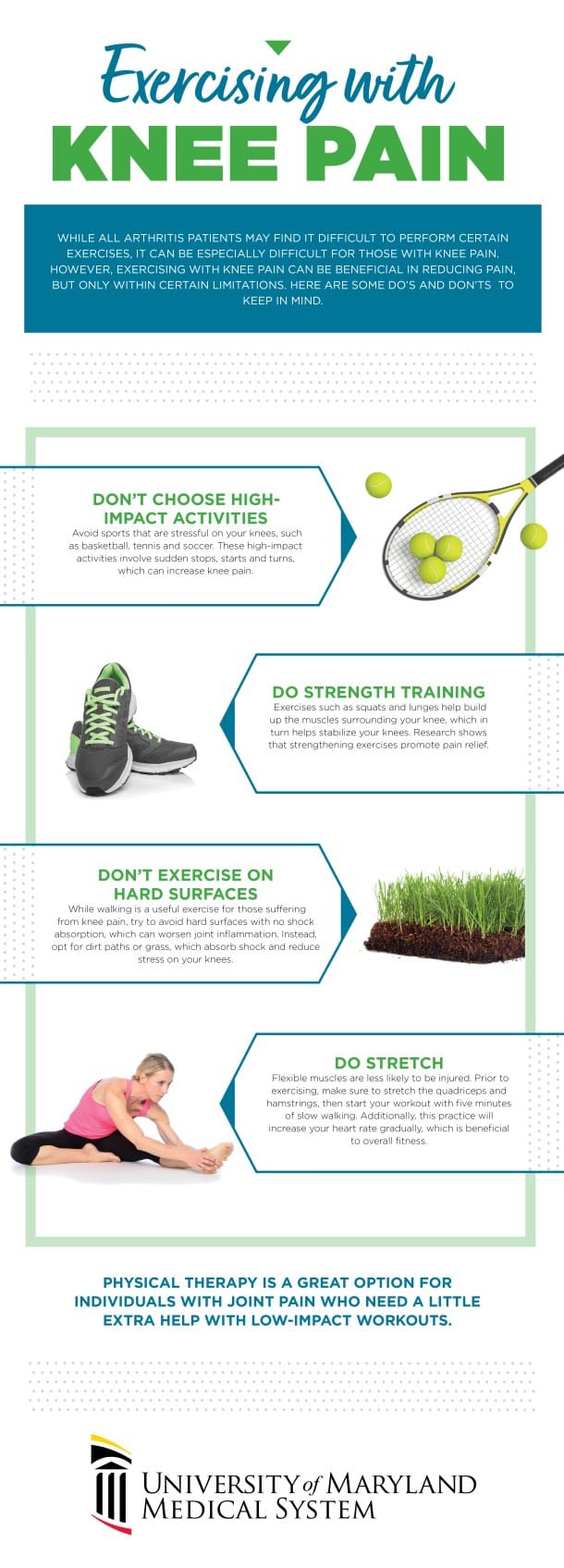
Bodyweight exercises are a fantastic way to build strength without the need for equipment. These exercises utilize your body weight as resistance, making them low-impact and joint-friendly. Squats, lunges, push-ups, and planks are just a few examples of bodyweight exercises that can help improve muscle tone and endurance while minimizing stress on your joints. It’s important to focus on proper form and technique to ensure you’re engaging the correct muscles and protecting your joints.
Try weight machines with adjustable resistance
If you have access to a gym or fitness facility, weight machines with adjustable resistance can provide a controlled and customizable strength training experience. These machines allow you to target specific muscle groups while providing support and stability for your joints. Start with light weights and gradually increase the resistance as your strength improves. It’s important to consult a fitness professional to ensure you’re using the machines correctly and safely.

Stretching
Gentle stretching
Gentle stretching exercises can help improve joint flexibility and relieve stiffness, making them particularly beneficial for individuals with joint pain. Stretching can be done at any time of the day and can easily be incorporated into your daily routine. Focus on gentle, slow movements that target the specific areas of your body that are affected by joint pain. Stretching should never cause pain or discomfort; instead, you should feel a gentle pull in the muscles and connective tissues.
Range of motion exercises
Range of motion exercises aim to improve the full movement potential of your joints. These exercises involve gradually moving your joints through their full range of motion, promoting flexibility and reducing stiffness. Range of motion exercises can be done in a seated or standing position and should be performed slowly and with control. They can help maintain joint mobility, decrease pain, and improve overall joint function.
Tai chi
Tai chi is an ancient Chinese practice that combines slow, flowing movements with deep breathing and mental focus. It’s a gentle yet effective exercise that can help improve balance, flexibility, and muscle strength. Tai chi emphasizes controlled, mindful movements, making it a suitable option for individuals with joint pain. The slow and fluid movements can help reduce joint stiffness while promoting relaxation and overall well-being.
Aquatic exercises
Water aerobics
Water aerobics is a popular low-impact exercise option that takes advantage of the buoyancy and resistance provided by water. These classes typically involve a variety of cardiovascular exercises, strength exercises, and stretching routines, all performed in the water. The hydrostatic pressure of the water provides a gentle massage for your joints while also supporting your body weight. Water aerobics is a fun and social way to stay active and can be easily modified to accommodate individuals with different fitness levels and joint conditions.
Water walking
Walking in water is an excellent low-impact exercise that offers many benefits for individuals with joint pain. The water’s buoyancy reduces the impact on your joints while also providing resistance, making it a fantastic option for cardiovascular conditioning and muscle strengthening. You can walk in waist-deep or chest-deep water, depending on your comfort level and ability. Consider joining a water walking group or simply make it a regular part of your aquatic exercise routine.
Hydrotherapy exercises
Hydrotherapy, also known as aquatic therapy, involves exercises performed in a pool under the guidance of a trained therapist or instructor. It combines the healing properties of water with specific exercises designed to address individual joint issues. The water’s buoyancy and warmth help relax muscles, reduce pain, and improve joint mobility. Hydrotherapy can be an effective treatment option for individuals with chronic joint pain or those recovering from joint surgery or injury.
Balancing exercises
Tai chi
As mentioned earlier, tai chi is not only a stretching exercise but also an effective balancing exercise. The slow and controlled movements in tai chi help improve balance and coordination, reducing the risk of falls and injury. By focusing on stability and weight distribution, tai chi can strengthen the muscles involved in maintaining balance, such as those in your legs and core. Regular practice of tai chi can improve your overall stability and confidence in your movements.
Balance board exercises
Balance board exercises involve standing or sitting on a wobbly board that challenges your balance and stability. These exercises engage the muscles in your legs, core, and hips, helping improve proprioception and coordination. Start with simple exercises, such as balancing on one leg while using the balance board for support, and gradually progress to more challenging movements as your balance improves. Balance board exercises can be performed at home with a basic balance board or under the guidance of a fitness professional.
Pilates
Pilates is a form of exercise that focuses on core strength, flexibility, balance, and body awareness. It incorporates controlled movements and breathing techniques to strengthen the deep postural muscles that support the spine and joints. Pilates exercises often involve specialized equipment, such as the reformer or stability ball, which can add an extra challenge to your balancing exercises. Regular practice of Pilates can improve your posture, stability, and overall body alignment.
Physical therapy
Targeted exercises for joint pain relief
Physical therapy plays a crucial role in managing joint pain and improving joint function. A physical therapist can develop a personalized exercise program tailored to your specific needs and condition. These targeted exercises are designed to address your unique joint issues, whether it’s arthritis, tendonitis, or post-surgery rehabilitation. By focusing on strengthening the surrounding muscles, improving range of motion, and addressing any imbalances or weaknesses, physical therapy can help alleviate joint pain and improve your overall quality of life.
Manual therapy techniques
Physical therapists often use manual therapy techniques to complement their exercise programs. These techniques include joint mobilization and manipulation, soft tissue mobilization, and massage. Manual therapy helps reduce pain and stiffness, improve joint mobility and alignment, and promote tissue healing. Your physical therapist will assess your joint condition and use the appropriate manual therapy techniques to provide relief and aid in your recovery.
Hot and cold therapy
Hot and cold therapy can be used as part of a comprehensive pain management plan for joint pain. Heat therapy involves applying a warm compress or using heating pads to increase blood flow, relax muscles, and alleviate stiffness. Cold therapy, on the other hand, involves applying ice packs or using cold compresses to reduce inflammation and numb the affected area. Both hot and cold therapy can be beneficial, depending on the nature and stage of your joint pain. Consult with a healthcare professional to determine which therapy is best for you.

Joint-friendly sports
Golf
Golf is a low-impact sport that offers a variety of benefits for individuals with joint pain. The gradual, controlled movements involved in swinging the golf club can help improve joint flexibility and range of motion. Walking the course provides cardiovascular exercise while being gentle on the joints. Many golf courses also offer golf carts, which can be used to minimize stress on your joints. Golf allows you to enjoy the outdoors and socialize while engaging in a sport that is joint-friendly.
Swimming
Swimming, as mentioned earlier, is an excellent low-impact exercise for individuals with joint pain. However, it can also be enjoyed as a recreational sport. Whether you prefer leisurely laps or participating in swimming races, swimming is a great way to stay active and engage your entire body while minimizing stress on your joints. Plus, the water provides a refreshing and weightless environment that can alleviate joint pain during and after your swim.
Table tennis
Table tennis, also known as ping pong, is a fun and exciting sport that can be enjoyed by people of all ages and fitness levels. It’s a low-impact activity that can help improve hand-eye coordination, reflexes, and agility. Table tennis involves quick and controlled movements while keeping the joints relatively protected. It can be played both indoors and outdoors, making it a versatile option for staying active with joint pain.
Bowling
Bowling is a leisurely sport that can be enjoyed with friends and family. It doesn’t require any intense physical exertion, making it suitable for individuals with joint pain. Bowling helps improve balance, coordination, and arm strength, all while providing a social and enjoyable experience. If you’re concerned about the weight of the bowling ball, many bowling alleys offer lighter options or have ramps available to assist with the game.
Joint support products
Orthopedic braces
Orthopedic braces provide support and stability to your joints, helping alleviate pain and prevent further injury. These braces are designed to protect and immobilize the affected joint, allowing optimal healing and reducing stress on the surrounding tissues. Depending on your specific joint condition, a healthcare professional may recommend a knee brace, ankle brace, wrist brace, or other orthopedic support to assist you during physical activity or daily functioning. Make sure to consult with a medical professional to determine the most appropriate brace for your needs.
Compression sleeves
Compression sleeves are tight-fitting garments that help improve blood circulation and reduce swelling in the joints. They provide gentle compression to the affected area, which can help alleviate pain and promote a faster recovery. Compression sleeves can be worn during exercise, sports activities, or even throughout the day to provide continuous support and relief to your joints. They come in various sizes and designs, so it’s essential to choose the correct fit for optimal effectiveness and comfort.
Supportive footwear
Wearing proper footwear is crucial for individuals with joint pain, as it can significantly impact your comfort and stability. Look for shoes specifically designed for individuals with joint issues, such as arthritis or plantar fasciitis. These shoes often feature extra cushioning, arch support, and shock-absorbing soles to minimize the impact on your joints while providing maximum comfort. It’s also essential to ensure that your shoes fit properly and provide adequate support for your specific foot structure and joint condition.
Pain management techniques
Use heat and cold packs
As mentioned earlier, applying heat and cold therapy can help manage joint pain. Heat packs and hot water bottles can provide soothing relief by increasing blood flow, relaxing muscles, and reducing stiffness. Cold packs or ice packs can numb the affected area, reduce inflammation, and alleviate pain. You can alternate between heat and cold therapy depending on your individual needs, or consult with a healthcare professional for specific guidelines.
Meditation and deep breathing
Mind-body techniques such as meditation and deep breathing can help manage joint pain by reducing stress and promoting relaxation. Chronic pain often leads to increased stress and tension in the body, exacerbating the perception of pain. By practicing mindfulness and deep breathing exercises, you can calm your mind, release tension, and create a sense of overall well-being. These practices can be done anywhere and at any time, making them accessible and beneficial tools for managing joint pain.
Massage therapy
Massage therapy can provide much-needed relief for individuals with joint pain. The kneading and manipulation techniques used in massage can help increase blood flow, reduce muscle tension, and promote the release of endorphins, which are natural pain relievers. Massage therapy can target specific areas of joint pain, such as the neck, shoulders, or knees, and can be tailored to your individual needs. It’s important to seek the services of a licensed massage therapist who specializes in joint pain to ensure a safe and effective treatment.
Consultation with healthcare professionals
Talk to a physical therapist
If you’re experiencing joint pain, it’s important to consult a physical therapist. A physical therapist can evaluate your condition, assess your joint mobility, strength, and flexibility, and develop an individualized plan to help manage your pain and improve your overall function. Physical therapy often involves a combination of exercises, stretches, and manual therapy techniques, as well as education on proper body mechanics and posture. A physical therapist can be an essential partner in your journey to staying active and maintaining joint health.
Visit a rheumatologist
If your joint pain is caused by a chronic condition such as rheumatoid arthritis or osteoarthritis, it’s advisable to consult a rheumatologist. A rheumatologist specializes in diagnosing and treating these types of joint conditions. They can provide a comprehensive evaluation, prescribe appropriate medication, and offer advice on lifestyle modifications and exercise programs tailored to your specific condition. Regular visits to a rheumatologist can help you effectively manage your joint pain and prevent further joint damage.
Seek advice from an orthopedic specialist
If your joint pain is related to a specific injury or condition, it’s essential to seek the guidance of an orthopedic specialist. An orthopedic specialist can provide a comprehensive assessment, order any necessary imaging or diagnostic tests, and develop a treatment plan based on your specific needs. They can offer surgical or non-surgical options, such as injections or physical therapy, to help manage your joint pain and improve your quality of life. An orthopedic specialist will work closely with you to address any concerns and ensure you receive the best possible care for your joint condition.
In conclusion, staying active with joint pain is possible through the incorporation of low-impact exercises, such as walking, swimming, cycling, and yoga. Strength training exercises using resistance bands, bodyweight, or weight machines with adjustable resistance can help improve joint stability and muscle strength. Stretching exercises, aquatic exercises, balancing exercises, and physical therapy can also aid in maintaining joint health and managing joint pain. Additionally, the use of joint support products, pain management techniques, and consultation with healthcare professionals, including physical therapists, rheumatologists, and orthopedic specialists, can provide invaluable guidance and support on your journey to a more active and pain-free lifestyle. Remember to always listen to your body and consult with a healthcare professional before starting any new exercise or treatment regimen.