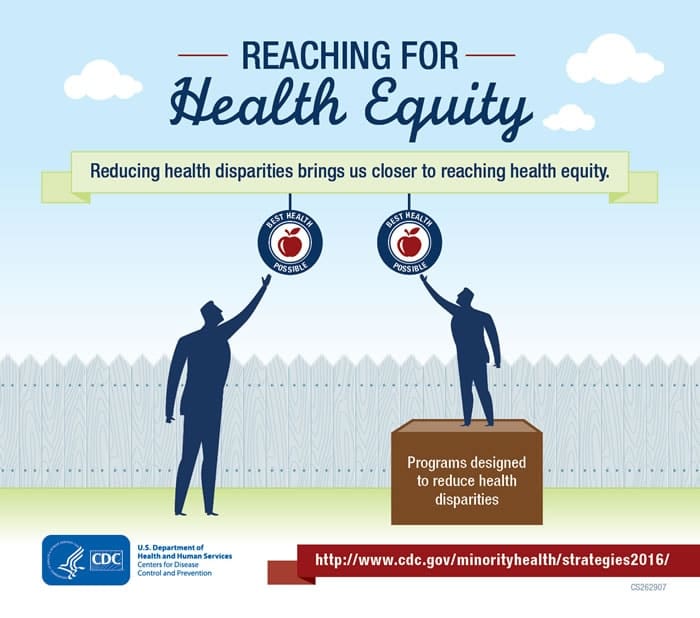
Today, we want to talk about an important topic that often goes overlooked – men’s health in minority communities. It is crucial to address the unique challenges that men from minority backgrounds face when it comes to their health. By shining a spotlight on this issue, we can explore the top ways in which we can support and improve the health outcomes for men in minority communities. From raising awareness about preventative measures to providing accessible healthcare services, together, we can make a real difference in the lives of these men and ensure they receive the care they deserve.
Increase Health Education and Awareness
Promote health literacy
Promoting health literacy is crucial in improving the overall health of men in minority communities. By providing accessible and relevant health information, individuals can make informed decisions about their well-being. This can involve disseminating educational materials in various formats and languages, such as brochures, infographics, and online resources. Additionally, utilizing plain language and avoiding medical jargon can ensure that health information is easily understood by all.
Organize community workshops and seminars
Community workshops and seminars are effective platforms to educate men in minority communities about various health topics. These events can cover a wide range of subjects, including nutrition, exercise, mental health, and preventive screenings. By bringing together healthcare professionals and community members, valuable information can be shared, and participants can have their questions and concerns addressed directly.
Utilize culturally relevant messaging
To effectively reach men in minority communities, it is essential to utilize culturally relevant messaging. This involves tailoring health education efforts to align with the cultural practices, beliefs, and languages of the target population. By incorporating cultural nuances, traditions, and references into the messaging, it becomes more relatable and engaging. This approach helps break down barriers and ensures that the information resonates with the intended audience.
Dispel myths and misconceptions
Addressing myths and misconceptions about health is vital to empower men in minority communities to make informed decisions. Many individuals may hold misconceptions about certain health conditions or interventions based on cultural beliefs or limited access to accurate information. By providing evidence-based facts and debunking common misconceptions, men can gain a better understanding of their health and take appropriate actions to address any concerns.
Improve Access to Healthcare
Increase availability of affordable healthcare
One of the key barriers faced by men in minority communities is the lack of affordable healthcare options. To address this, it is crucial to increase the availability of affordable healthcare services. This can be achieved through initiatives such as establishing community health clinics that offer affordable or sliding-scale fees based on income. Additionally, advocating for policies that promote affordability and accessibility of healthcare services can make a significant impact.
Expand health insurance coverage
Expanding health insurance coverage is vital in ensuring that men in minority communities have access to the necessary healthcare services. By working towards reducing the number of uninsured individuals, more individuals can receive preventive care, screenings, and timely treatment for health conditions. Advocating for policies that expand Medicaid eligibility and improving outreach efforts to enroll eligible individuals can help bridge the insurance gap.
Establish community health centers
Community health centers play a crucial role in improving access to healthcare for men in minority communities. These centers provide comprehensive primary healthcare services, including routine check-ups, screenings, vaccinations, and chronic disease management. By establishing more community health centers in areas with limited healthcare resources, individuals can receive the care they need close to home, reducing barriers such as transportation and cost.
Offer transportation options for medical appointments
Transportation can often be a significant barrier preventing men in minority communities from seeking medical care. By providing transportation options, such as subsidized or free transportation services to medical appointments, individuals can overcome this obstacle. Collaborating with local transportation providers and community organizations to establish such services can greatly improve access to healthcare for those who struggle with transportation issues.
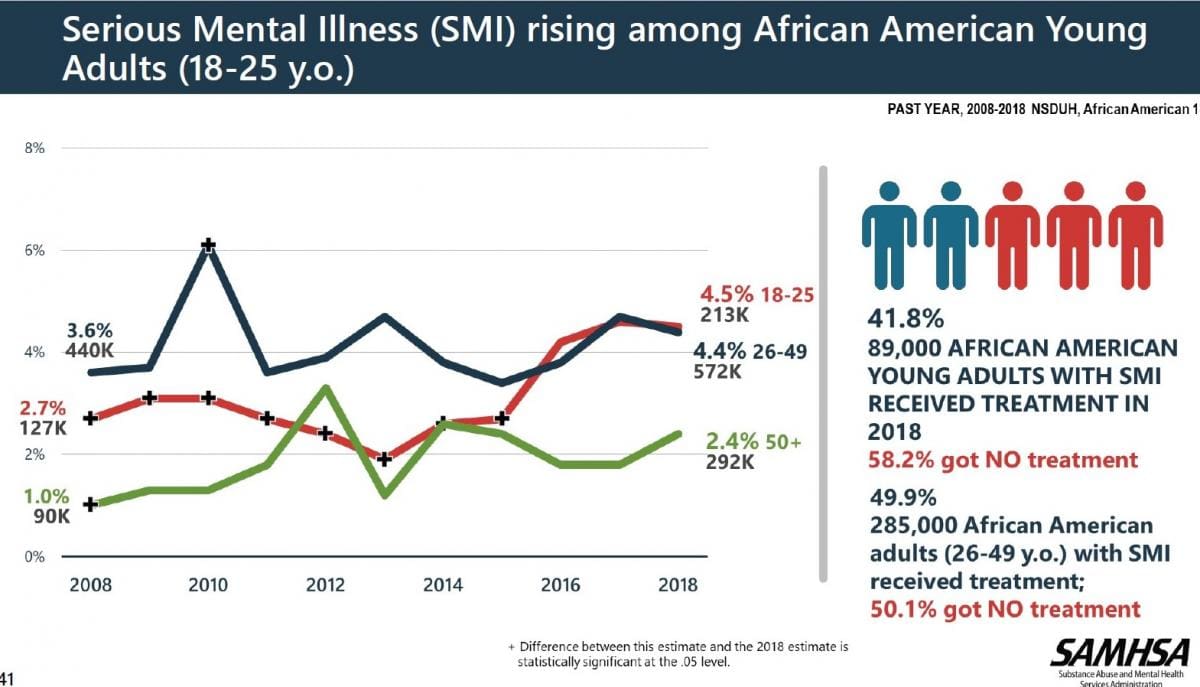
Address Mental Health Stigma
Promote open discussions about mental health
Addressing mental health stigma starts with encouraging open discussions within minority communities. Breaking the silence surrounding mental health allows individuals to share their experiences, seek support, and access appropriate resources. Community events, workshops, and forums can be organized to facilitate these conversations, ensuring that mental health is given the attention and importance it deserves.
Offer counseling services
Accessing mental health services is essential for the well-being of men in minority communities. Establishing counseling services, both in-person and virtual, can provide a safe and supportive environment for individuals to address their mental health concerns. This can involve partnering with mental health professionals who have experience working with minority populations and offering services that are culturally competent and sensitive to the unique needs of the community.
Train healthcare providers on culturally competent care
To effectively address the mental health needs of men in minority communities, healthcare providers must receive training on cultural competency. This training helps providers understand the cultural nuances, beliefs, and practices of the populations they serve. By being culturally competent, healthcare professionals can provide more personalized and effective care, fostering trust and ensuring that individuals feel comfortable seeking mental health support.
Disseminate mental health resources
Disseminating mental health resources is key to ensuring that men in minority communities have access to the support they need. These resources can include informational brochures, online materials, helplines, and directories of mental health providers who offer culturally competent care. Distributing these resources through community organizations, healthcare facilities, and social media platforms can reach a wider audience and help reduce the stigma surrounding mental health.
Increase Preventive Screenings
Educate about the importance of regular screenings
Educating men in minority communities about the importance of regular preventive screenings is crucial for early detection and prevention of diseases. By raising awareness about the potential risks and benefits of screenings, individuals can make informed decisions about their health. This can involve providing educational materials, hosting informational sessions, and utilizing digital platforms to reach a broader audience.
Offer free or low-cost health screenings
To remove barriers to preventive screenings, offering free or low-cost health screenings can make a significant impact. Collaborating with healthcare providers, community organizations, and sponsors can help cover the costs associated with screenings. By organizing events in easily accessible locations within minority communities, individuals can access screenings without financial burdens and detect any potential health issues early on.
Raise awareness about specific disease risks
Certain diseases may disproportionately affect men in minority communities. By raising awareness about these specific disease risks, individuals can become more proactive in their health and take necessary preventive measures. Culturally relevant campaigns, workshops, and community engagement initiatives can play a vital role in educating individuals about the signs, symptoms, and risk factors associated with these diseases.
Promote early detection and prevention
Promoting early detection and prevention strategies can save lives and improve health outcomes for men in minority communities. Emphasizing the importance of regular check-ups, screenings, vaccinations, and lifestyle modifications can empower individuals to take control of their health. By working with healthcare providers, community leaders, and organizations, targeted messaging and interventions can effectively promote early detection and prevention practices.
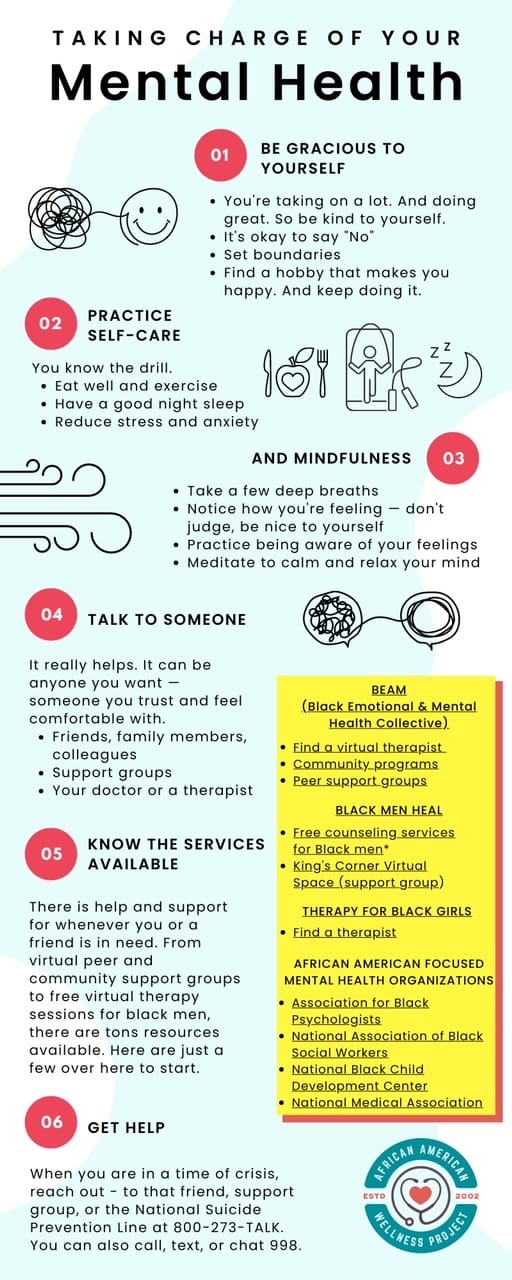
Encourage Healthy Lifestyle Choices
Promote regular physical activity
Regular physical activity is essential for maintaining optimal health. Encouraging men in minority communities to engage in regular exercise can have numerous benefits, including improved cardiovascular health, weight management, and decreased risk of chronic diseases. Collaborating with local fitness centers, organizing community sports events, and providing educational materials on the importance of physical activity can motivate individuals to adopt and maintain active lifestyles.
Advocate for healthy eating habits
Promoting healthy eating habits is crucial in improving the overall health of men in minority communities. Encouraging individuals to consume a balanced diet rich in fruits, vegetables, whole grains, and lean proteins can have a significant impact on their well-being. Community cooking classes, nutrition workshops, and partnerships with local farmers’ markets or grocery stores can provide individuals with the knowledge and resources to make healthier food choices.
Offer cooking and nutrition classes
Providing cooking and nutrition classes can empower men in minority communities to make informed choices about their diet and lifestyle. These classes can focus on teaching essential cooking skills, meal planning, and incorporating cultural ingredients into nutritious meals. By offering culturally relevant classes that cater to the specific dietary needs and preferences of the community, individuals can learn practical strategies for maintaining a healthy diet.
Provide access to recreational facilities
Access to recreational facilities is essential for promoting physical activity and overall well-being. Collaborating with local governments, community organizations, and businesses to establish and maintain recreational spaces, such as parks, playgrounds, and sports facilities, can provide men in minority communities with safe and accessible locations for exercise and leisure activities. This encourages individuals to engage in physical activity and promotes a healthier lifestyle.
Engage Community Leaders
Collaborate with local community organizations
Collaborating with local community organizations is vital in addressing men’s health in minority communities. By working together, healthcare providers, community leaders, and organizations can create a comprehensive network of support and resources. This collaboration can involve joint initiatives, sharing of information and expertise, and leveraging existing community networks to reach a broader audience. By tapping into the knowledge and trust of these organizations, men in minority communities can access the assistance they need to prioritize their health.
Involve religious and spiritual leaders
Religious and spiritual leaders often hold significant influence within minority communities. Engaging these leaders in promoting men’s health can help disseminate important health information and encourage individuals to prioritize their well-being. By partnering with religious organizations, hosting health-focused events within places of worship, or involving leaders in awareness campaigns, the positive impact on community health can be substantial.
Empower influential community figures
Identifying influential community figures who can serve as role models and advocates for men’s health is crucial. These individuals may include local athletes, celebrities, or respected community members. By empowering these figures to share their personal health journeys, participate in awareness campaigns, and speak at community events, they can inspire men in minority communities to take charge of their health. Their visibility and authenticity can have a powerful influence on health-related behaviors and attitudes.
Create partnerships with minority-serving institutions
Partnering with minority-serving institutions, such as historically black colleges and universities (HBCUs) or Hispanic-serving institutions (HSIs), can provide valuable resources and expertise in addressing men’s health. These institutions often have established networks, research capabilities, and student organizations dedicated to health and well-being. By forging partnerships with these institutions, healthcare providers and community leaders can tap into their resources to develop targeted interventions, conduct research, and improve access to healthcare services.

Provide Targeted Healthcare Resources
Translate health materials into multiple languages
Effective communication is crucial in providing targeted healthcare resources to men in minority communities. Translating health materials into multiple languages ensures that individuals with limited English proficiency can access important information about their health. Collaborating with professional translators or partnering with community organizations that can assist with translation efforts can help bridge the language gap and ensure equal access to healthcare resources.
Develop culturally sensitive health campaigns
Developing culturally sensitive health campaigns involves tailoring messages to the unique needs and beliefs of men in minority communities. This can include incorporating cultural symbols, traditions, and community-specific experiences into the campaign materials. By respecting the cultural diversity within these communities and avoiding stereotypes, the campaigns can resonate with individuals on a personal level, increasing their motivation to engage in positive health behaviors.
Offer specialized healthcare services
Providing specialized healthcare services that cater to the unique needs of men in minority communities is essential. This can involve establishing clinics or practice areas that focus on specific health conditions that disproportionately affect these communities. By offering culturally competent care and addressing the systemic barriers that may prevent individuals from seeking care, men in minority communities can receive the specialized attention and treatment they require.
Ensure availability of healthcare information for different demographics
To address the diverse needs of men in minority communities, it is crucial to ensure the availability of healthcare information for different demographics. This includes providing information targeted towards specific age groups, ethnicities, and cultural backgrounds. By tailoring materials and resources to the specific characteristics and preferences of different demographics, individuals can access information that is relevant and applicable to their unique circumstances.
Promote Male Support Groups
Establish mentoring programs for young men
Establishing mentoring programs for young men in minority communities can provide valuable guidance and support. Mentors can serve as positive role models, offering advice on various aspects of life, including health and well-being. By pairing young men with mentors who have similar backgrounds or shared experiences, these programs foster a sense of belonging and provide a safe space for mentorship, guidance, and growth.
Create safe spaces for open dialogue
Creating safe spaces for open dialogue allows men in minority communities to openly discuss their health concerns and experiences. It is crucial to establish environments where individuals feel comfortable sharing their thoughts, emotions, and struggles related to health. This can involve organizing support groups, community forums, or virtual platforms where men can come together, share experiences, and offer support to one another.
Encourage peer-to-peer support networks
Encouraging the formation of peer-to-peer support networks can be highly beneficial for men in minority communities. By connecting individuals with shared health experiences, common challenges, or cultural backgrounds, peer support networks provide a sense of empathy, understanding, and camaraderie. These networks can be facilitated through community organizations, online platforms, or workplace initiatives, fostering a supportive environment for men to share their journeys towards better health.
Foster a sense of community and belonging
Fostering a sense of community and belonging is essential for men’s health in minority communities. Emphasizing the importance of social connectedness and establishing community events or programs that celebrate cultural heritage can help create a supportive environment. By bringing men together to engage in shared activities, celebrate achievements, and support one another, a sense of belonging is fostered, leading to improved overall well-being.

Implement Culturally Competent Care
Train healthcare professionals on cultural awareness
Training healthcare professionals on cultural awareness is essential for ensuring that men in minority communities receive quality care that respects their cultural beliefs and practices. This training can include education on cultural competency, unconscious bias, and the importance of patient-centered care. By understanding the cultural context in which health decisions are made, healthcare providers can offer more personalized care and establish trust-based relationships with their patients.
Respect cultural practices and beliefs
Respecting cultural practices and beliefs is fundamental to providing culturally competent care. Men in minority communities may have unique health-related traditions, dietary preferences, or beliefs about illness and wellness. Healthcare providers should actively inquire about and acknowledge these practices during patient interactions. By incorporating cultural practices into treatment plans, healthcare professionals can ensure that care is both effective and respectful of the individual’s beliefs and values.
Provide interpreter services
Effective communication is vital in healthcare settings, particularly when language barriers exist. Providing interpreter services, either in person or through translation apps, can help bridge the communication gap between healthcare providers and men in minority communities with limited English proficiency. By ensuring accurate communication between patients and providers, medical decisions can be made collaboratively, and individuals can better understand and actively participate in their healthcare journey.
Adapt healthcare settings to be inclusive
Adapting healthcare settings to be inclusive involves creating an environment that is welcoming and respectful of the cultural diversity within the community. This can include displaying culturally appropriate artwork, offering prayer spaces, or accommodating dietary preferences in hospital or clinic settings. By creating an inclusive atmosphere, healthcare settings can help men in minority communities feel more comfortable seeking care and improve overall patient satisfaction.
Advocate for Policy Changes
Address healthcare disparities at the policy level
Addressing healthcare disparities in minority communities requires advocating for policy changes that aim to reduce these inequities. This can involve lobbying for policies that increase funding for healthcare programs targeting minority populations, expand eligibility criteria for Medicaid, and promote equitable distribution of healthcare resources. By advocating for policy changes, men in minority communities can have improved access to quality healthcare services, reducing health disparities.
Work towards equitable access to healthcare
Working towards equitable access to healthcare requires addressing the systemic barriers that hinder access for men in minority communities. This can involve advocating for the removal of policies or practices that perpetuate healthcare disparities, such as discriminatory insurance practices or provider biases. By championing policies that prioritize equity and fairness, healthcare systems can ensure that all individuals, regardless of their background, have equal opportunities to receive the care they need.
Support legislation for minority health initiatives
Supporting legislation for minority health initiatives is crucial in addressing the unique health needs of men in minority communities. This can involve endorsing bills or initiatives that allocate funding for research, health education programs, and healthcare infrastructure specifically tailored to minority populations. By actively supporting the development and implementation of policies that prioritize minority health, individuals can contribute to creating lasting positive changes in healthcare outcomes.
Promote funding for men’s health research
Promoting funding for men’s health research is essential to improve the understanding and treatment of health conditions that disproportionately affect men in minority communities. By advocating for increased funding from government agencies, philanthropic organizations, and research institutions, researchers can explore the underlying factors contributing to health disparities and develop targeted interventions. This research can lead to effective strategies for prevention, early detection, and treatment, ultimately improving men’s health outcomes.
In conclusion, addressing men’s health in minority communities requires a comprehensive approach that includes increasing health education and awareness, improving access to healthcare, tackling mental health stigma, promoting preventive screenings, encouraging healthy lifestyle choices, engaging community leaders, providing targeted healthcare resources, promoting male support groups, implementing culturally competent care, and advocating for policy changes. By focusing on these areas and collaborating with community members, healthcare providers, and organizations, significant progress can be made in improving the health and well-being of men in minority communities.