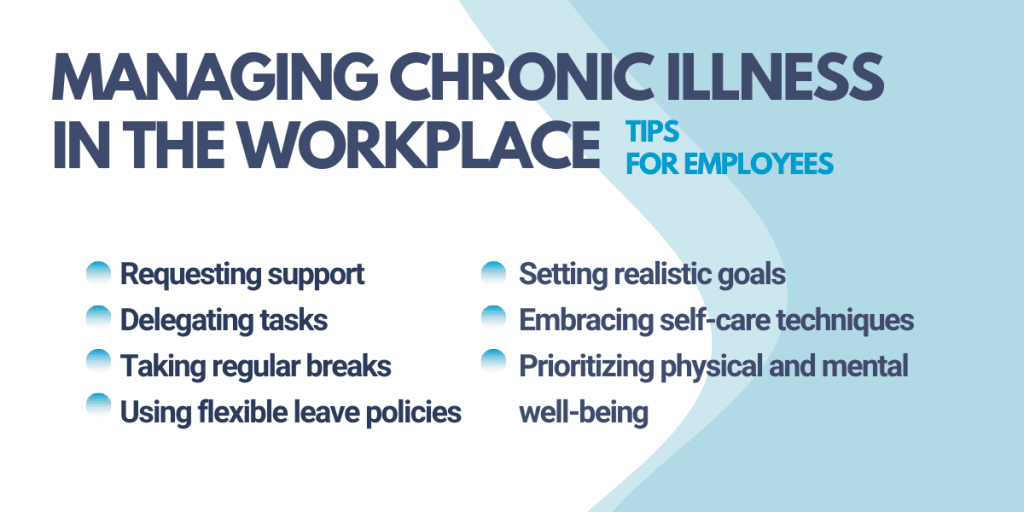
Welcome to an article that will provide you with valuable tips on how to effectively manage your chronic illness while at work. It’s important to balance your health needs with your responsibilities in the workplace, and we’re here to help make that process a little bit easier for you. From communication strategies to self-care techniques, we’ve got you covered. Let’s work together to create a healthier and happier work environment for you. Hey there! Are you struggling to manage your chronic illness in the workplace? Don’t worry, you’re not alone. Many people face challenges when trying to navigate work while dealing with medical conditions. In this article, I’ll share some practical tips and strategies to help you better manage your chronic illness in the workplace. Let’s dive in and make your work life a little bit easier.
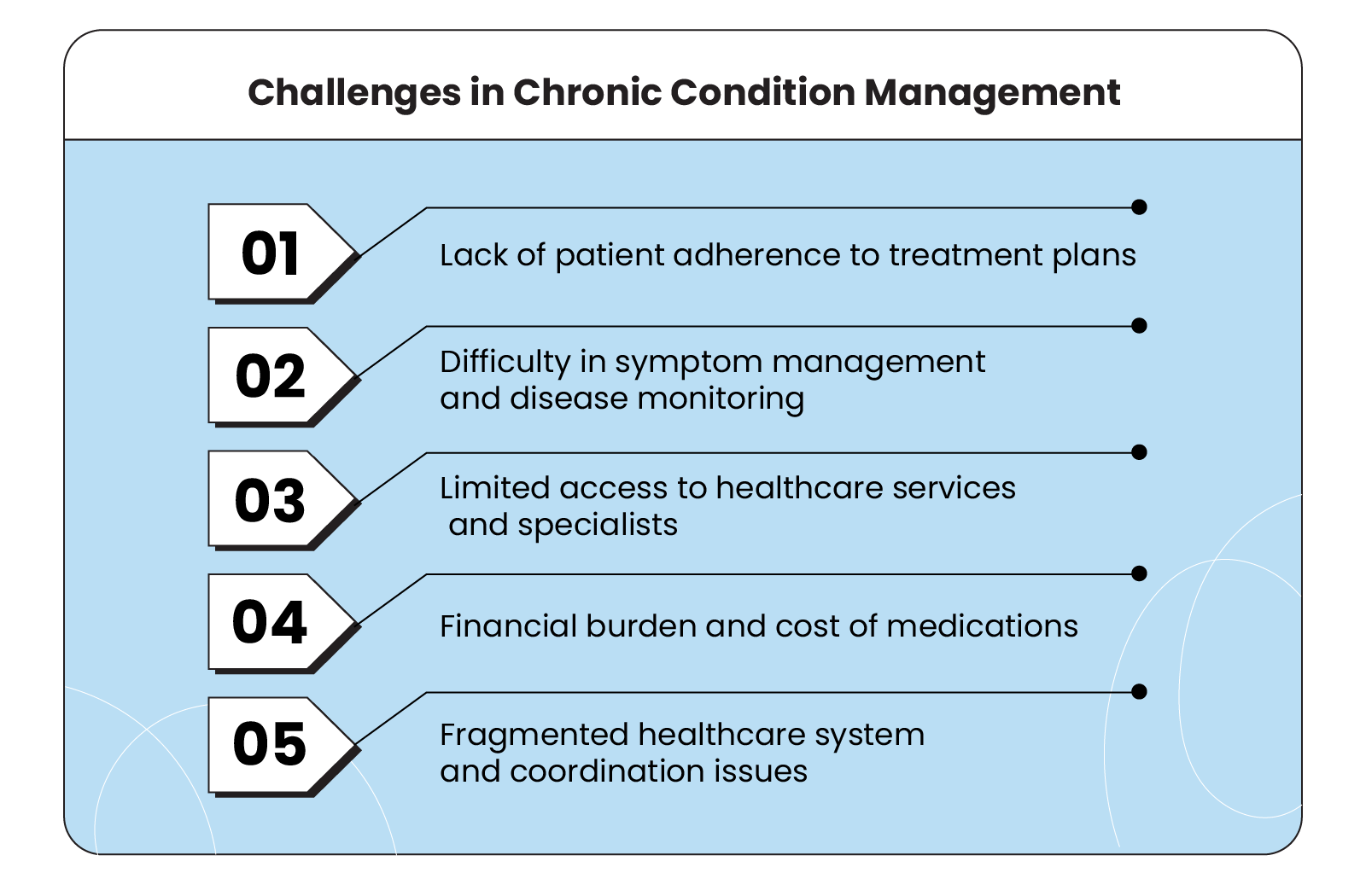
Understanding Your Rights and Protections
Navigating the workplace with a chronic illness can be challenging, but it’s important to remember that you have rights and protections in place to ensure that you are treated fairly. Understanding these rights can help you advocate for yourself and make sure you receive the accommodations you need to be successful at work.
One of the first steps you should take is familiarizing yourself with the Americans with Disabilities Act (ADA). This federal law prohibits discrimination against individuals with disabilities in all areas of public life, including the workplace. Under the ADA, employers are required to provide reasonable accommodations to help employees with disabilities perform their job duties.
If you have a chronic illness that significantly impacts your ability to work, you may be eligible for protection under the ADA. To qualify, your condition must meet the ADA’s definition of a disability, which includes physical or mental impairments that substantially limit one or more major life activities.
Navigating Accommodations in the Workplace
Once you’ve determined that you are covered under the ADA, the next step is to work with your employer to establish reasonable accommodations that will help you fulfill your job responsibilities. Reasonable accommodations can vary depending on the nature of your illness and the requirements of your job.
Some common accommodations for employees with chronic illnesses may include:
- Flexible work hours or telecommuting options to accommodate medical appointments or fluctuations in symptoms
- Reducing or eliminating physical tasks that may exacerbate symptoms
- Providing assistive technology or ergonomic equipment to make tasks easier to perform
- Allowing for periodic breaks or a quiet space for rest
- Adjusting job duties or responsibilities to better align with your abilities
It’s important to communicate openly with your employer about your needs and work together to find solutions that will allow you to be successful in your role. Remember, the goal of accommodations is to level the playing field and enable you to perform your job duties to the best of your ability.
Managing Symptoms and Flare-Ups
Dealing with chronic illness in the workplace often means navigating unpredictable symptoms and flare-ups that can impact your ability to work. Learning how to effectively manage your symptoms and mitigate flare-ups can help you maintain productivity and overall well-being while on the job.
Establishing a Routine
Creating a consistent routine can be helpful in managing chronic illness symptoms and maintaining stability in the workplace. Establishing regular work hours, meal times, and sleep schedules can help you manage energy levels and reduce the likelihood of symptom flare-ups.
Consider incorporating other self-care practices into your routine, such as regular exercise, stress management techniques, and healthy eating habits. These lifestyle factors can play a significant role in managing chronic illness symptoms and promoting overall wellness.
Communicating With Your Team
Open communication with your colleagues and supervisors is essential when managing chronic illness in the workplace. Letting your team know about your condition and any accommodations you may need can help foster understanding and support.
When discussing your illness with coworkers, be honest and transparent about your limitations, but also emphasize your strengths and contributions to the team. Educating your colleagues about your condition can help dispel misconceptions and create a more inclusive work environment.
Prioritizing Self-Care
Prioritizing self-care is crucial when managing chronic illness in the workplace. Taking care of your physical and mental well-being is essential for maintaining productivity and preventing burnout.
Make time for activities that help you relax and recharge, such as mindfulness exercises, hobbies, or spending time with loved ones. Remember to listen to your body and prioritize rest when needed, even if it means taking a sick day or modifying your work schedule. Your health should always come first.

Seeking Support and Resources
Dealing with chronic illness in the workplace can feel isolating at times, but it’s important to remember that you’re not alone. Seeking out support from coworkers, friends, family, or support groups can provide much-needed encouragement and understanding.
Utilizing Employee Assistance Programs
Many workplaces offer Employee Assistance Programs (EAPs) that provide confidential counseling, resources, and referrals for employees facing personal or work-related challenges. EAPs can be a valuable source of support for managing the emotional and mental aspects of chronic illness in the workplace.
If your employer offers an EAP, consider reaching out to see what services are available to you. Counseling or therapy sessions can help you cope with the emotional toll of living with a chronic illness and provide strategies for managing stress and anxiety in the workplace.
Connecting with Support Groups
Joining a support group for individuals with similar chronic illnesses can be a great way to connect with others who understand what you’re going through. Support groups provide a sense of community, empathy, and shared experiences that can be incredibly comforting and empowering.
You can find local or online support groups through organizations like the National Alliance on Mental Illness (NAMI), the American Chronic Pain Association, or condition-specific advocacy groups. Sharing your challenges, victories, and advice with others who are in similar situations can foster a sense of belonging and resilience.
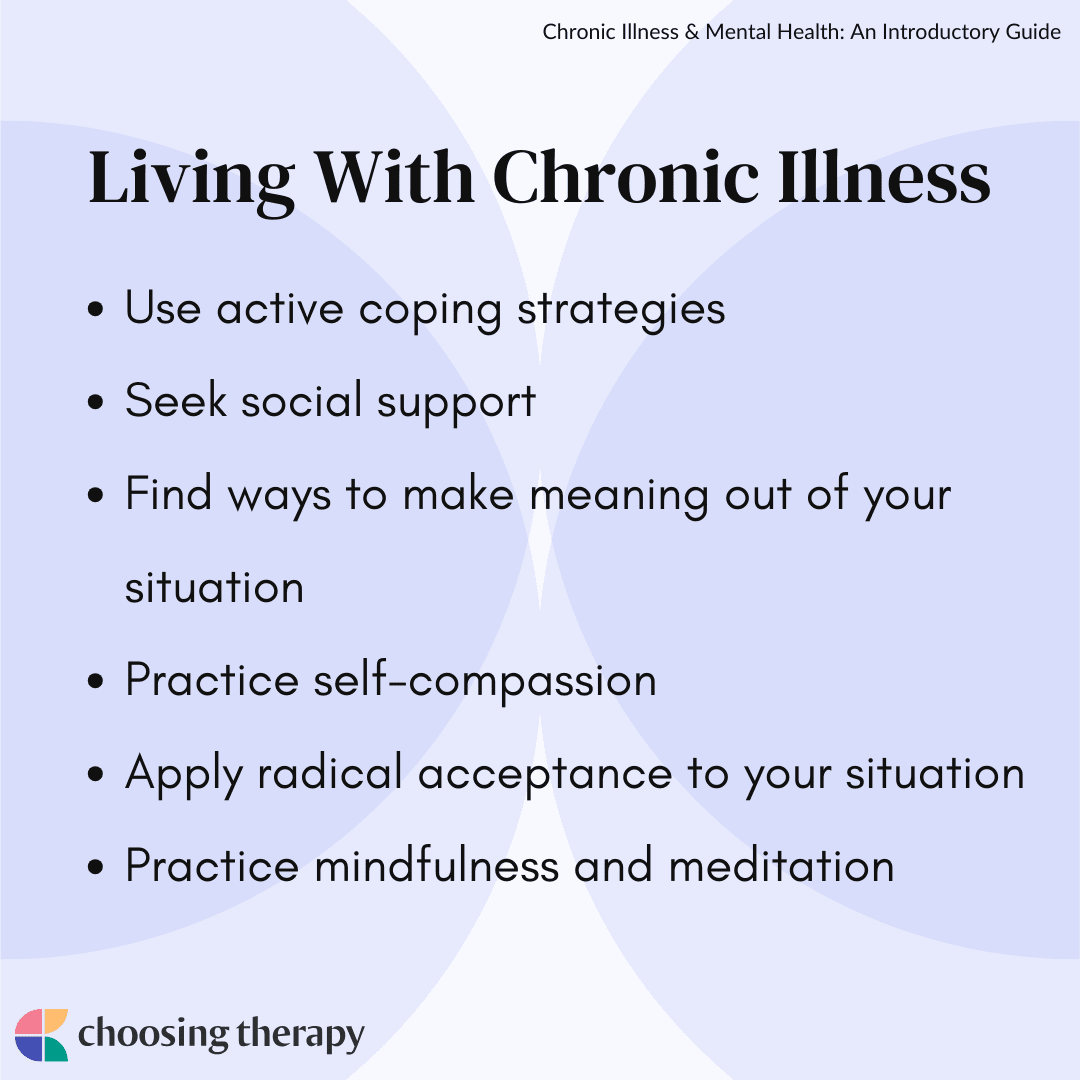
Taking Care of Your Mental Health
Living with a chronic illness can take a toll on your mental health, especially when trying to navigate the demands of the workplace. It’s important to prioritize your emotional well-being and seek help when needed to manage stress, anxiety, or depression that may arise.
Practicing Mindfulness
Incorporating mindfulness practices into your daily routine can help you manage stress, improve focus, and promote overall well-being. Mindfulness techniques such as deep breathing, meditation, and body scans can help you stay present and grounded during challenging moments at work.
Consider taking short breaks throughout the day to practice mindfulness exercises or finding quiet moments to center yourself before diving into a task. Incorporating these practices can help you cultivate self-awareness, resilience, and a sense of calm amid the chaos of the workday.
Seeking Professional Help
If you find yourself struggling with persistent feelings of anxiety, depression, or overwhelm related to your chronic illness and work, it may be beneficial to seek professional help. Mental health professionals such as therapists, counselors, or psychologists can provide support, guidance, and coping strategies to help you manage your emotional well-being.
Don’t hesitate to reach out to a mental health provider if you are experiencing symptoms of anxiety or depression that interfere with your ability to function at work or in other areas of your life. Remember, you deserve to receive the care and support you need to thrive, both personally and professionally.
Conclusion
Managing chronic illness in the workplace can be challenging, but with the right strategies and support, you can navigate the demands of work while prioritizing your health and well-being. Remember to advocate for yourself, seek out accommodations when needed, and prioritize self-care to stay healthy and productive. By understanding your rights, managing symptoms, seeking support, and taking care of your mental health, you can create a work environment that supports your needs and enables you to thrive. Don’t hesitate to reach out for help, connect with others, and take steps to care for yourself as you navigate the complexities of chronic illness in the workplace. Your health and happiness are worth it.