
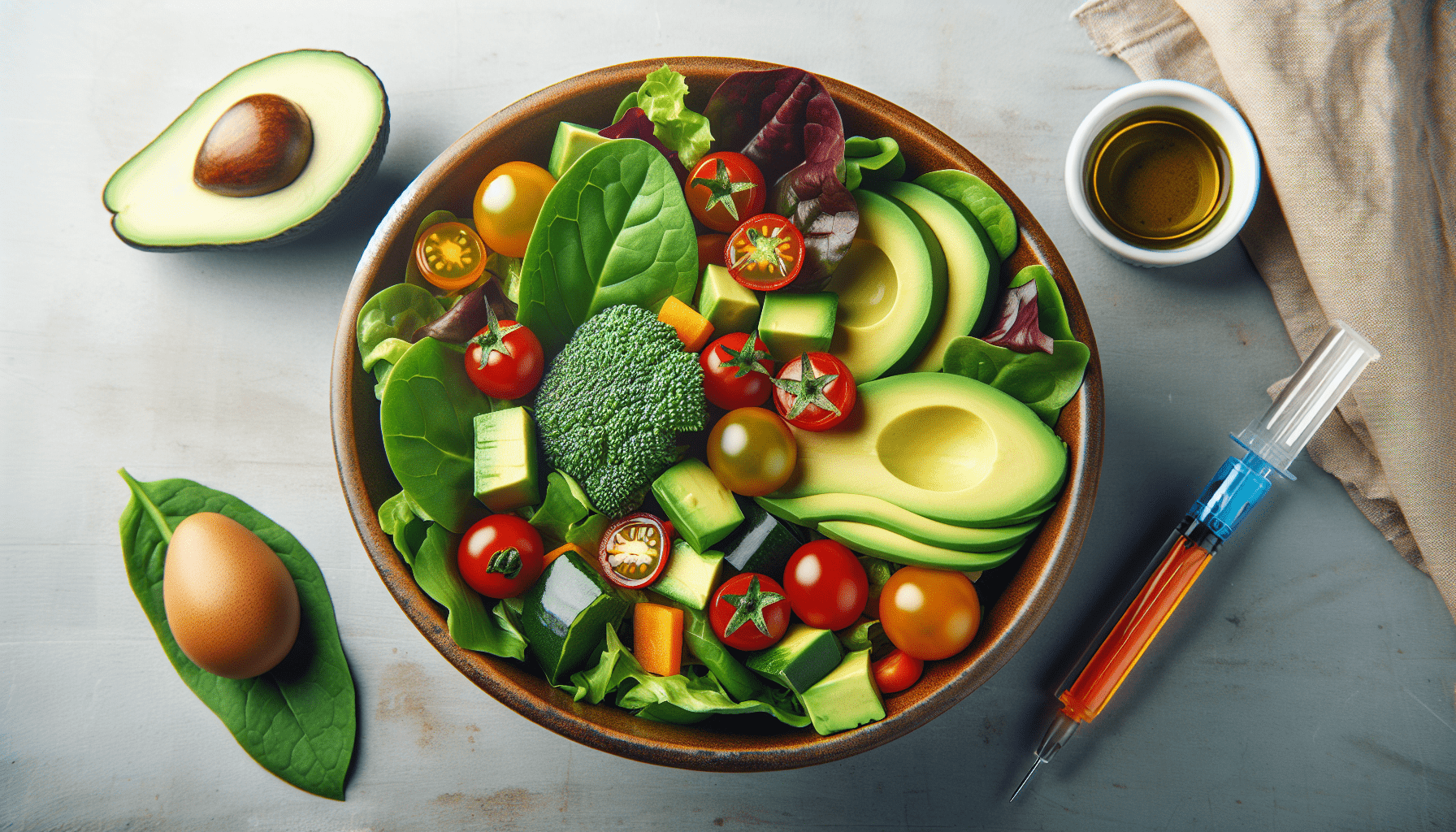
Living with Crohn’s Disease can be challenging, but with the right diet, it’s possible to manage the symptoms and improve your quality of life. This article highlights the top foods that are beneficial for individuals with Crohn’s Disease. By incorporating these foods into your daily meals, you can alleviate inflammation, provide essential nutrients, and promote a healthy digestive system. Living with Crohn’s disease can be challenging, but one way to manage symptoms and promote overall health is through a balanced and nutritious diet. Certain foods have been found to have anti-inflammatory properties, provide high amounts of fiber, and are easier to digest, making them ideal choices for individuals with Crohn’s disease. Here are the top foods that you should consider incorporating into your diet if you are living with this condition:
1. Anti-inflammatory Foods
Leafy greens
Leafy greens such as spinach, kale, and Swiss chard are packed with essential vitamins, minerals, and antioxidants. These nutrient powerhouses have anti-inflammatory properties that can help reduce inflammation and promote gut health. Whether eaten raw in salads or added to smoothies, leafy greens are a great choice for individuals with Crohn’s disease.
Fatty fish
Fatty fish like salmon, mackerel, and sardines are rich in omega-3 fatty acids, which have been shown to have anti-inflammatory effects. These healthy fats can help reduce inflammation in the gut and may help alleviate symptoms of Crohn’s disease. Incorporating fatty fish into your diet a few times a week can provide you with important nutrients and support your overall health.
Turmeric
Turmeric is a spice that has been used for centuries in traditional medicine for its anti-inflammatory properties. Curcumin, the active compound in turmeric, has been found to have therapeutic effects for individuals with Crohn’s disease. Adding turmeric to your meals or taking a curcumin supplement can be a beneficial step in managing inflammation and promoting gut health.
Ginger
Ginger has long been recognized for its anti-inflammatory and digestive properties. It can help soothe the digestive tract and reduce inflammation, making it a valuable addition to the diet of individuals with Crohn’s disease. Whether consumed as a tea, added to stir-fries or smoothies, or grated onto dishes, ginger can provide both flavor and health benefits.
2. High-fiber Foods
Whole grains
Whole grains like quinoa, brown rice, and oats are excellent sources of dietary fiber. Fiber is essential for maintaining bowel regularity and can help prevent constipation, a common symptom in individuals with Crohn’s disease. It is important to note that some people with Crohn’s disease may have difficulty tolerating high-fiber foods, so it is important to listen to your body and adjust your intake accordingly.
Legumes
Legumes such as lentils, chickpeas, and black beans are not only high in fiber but also provide a good source of plant-based protein. They can be a valuable addition to a Crohn’s disease diet because they promote bowel regularity and can help manage symptoms such as bloating and gas. However, some individuals may find it challenging to digest legumes, so it is important to introduce them gradually and monitor how your body responds.
Chia seeds
Chia seeds are small but mighty when it comes to their nutritional benefits. These tiny seeds are an excellent source of soluble fiber, which can help regulate bowel movements and alleviate constipation. They can be added to smoothies, yogurt, or oatmeal, providing an easy and versatile way to increase your fiber intake while living with Crohn’s disease.
3. Low-Residue Foods
White rice
White rice is a low-residue food that is easy to digest and gentle on the digestive system. It can provide a source of energy without causing irritation or inflammation. When flare-ups occur or during times when your gut needs a break, incorporating white rice into your meals can help provide relief and prevent further discomfort.
Smooth nut butter
Smooth nut butter like almond butter or cashew butter can be a nutritious and satisfying option for individuals with Crohn’s disease. Nut butters are easy to digest and can provide a source of healthy fats and protein. They can be spread on rice cakes, added to smoothies, or used as a dip for fruits or vegetables.
Canned fruits and vegetables
During times when fresh produce may be difficult to tolerate, canned fruits and vegetables can be a convenient and nutritious alternative. Opt for varieties without added sugars or syrups, and choose softer options like cooked carrots, peaches, or pears. These can provide essential vitamins and minerals without exerting too much stress on the digestive system.
4. Lean Protein
Skinless chicken breast
Skinless chicken breast is a lean source of protein that can be easily digested and well-tolerated by individuals with Crohn’s disease. Protein is essential for tissue repair and healing, making it an important component of a healthy diet when living with this condition. Grilling, baking, or poaching chicken breast can provide a versatile and nourishing addition to meals.
Eggs
Eggs are a versatile and nutrient-dense source of protein. They are also easy to digest and can be prepared in various ways to suit your preferences. Whether scrambled, boiled, or incorporated into a vegetable omelet, eggs can be a valuable addition to your Crohn’s disease diet.
Tofu
Tofu is a plant-based protein option that can provide a good alternative for individuals who follow a vegetarian or vegan diet. It is easy to digest and can be a versatile ingredient in many dishes. It is important to choose softer tofu varieties and experiment with different cooking methods to find what works best for you.
5. Fermented Foods
Yogurt
Yogurt is a probiotic-rich food that contains live bacteria cultures. These beneficial bacteria can help support the gut microbiome and promote digestive health. It is important to choose plain, unsweetened yogurt to minimize added sugars, as some individuals with Crohn’s disease may be sensitive to dairy products. If you are lactose intolerant, there are also non-dairy alternatives available, such as coconut milk yogurt or almond milk yogurt.
Sauerkraut
Sauerkraut is fermented cabbage that is rich in probiotics and contains beneficial bacteria strains that can support gut health. Adding sauerkraut as a topping to meals or incorporating it into dishes like salads can provide you with important probiotics and may help alleviate symptoms of Crohn’s disease. It is important to start with small amounts and monitor how your body responds, as some individuals may find it difficult to tolerate fermented foods.
Kombucha
Kombucha is a fermented tea that is becoming increasingly popular due to its probiotic content. It contains live bacteria and yeast cultures that can support digestive health and may help reduce inflammation. However, it is important to note that kombucha can be carbonated and contain added sugars, so it is essential to choose options with minimal added ingredients.
Kimchi
Kimchi is a traditional Korean dish made from fermented vegetables, usually cabbage and radishes. Like sauerkraut, it is a rich source of probiotics and can help support gut health. Incorporating kimchi into your meals or consuming it as a side dish can provide you with important beneficial bacteria and help maintain a healthy digestive system.
6. Healthy Fats
Avocado
Avocado is a versatile and nutritious fruit that provides a good source of healthy fats. It is rich in monounsaturated fats, which have been shown to have anti-inflammatory effects and can support heart health. Adding avocado to salads, spreading it on toast, or using it as a healthy substitute for butter or mayonnaise can provide both flavor and important nutrients.
Nuts
Nuts such as almonds, walnuts, and cashews are packed with healthy fats, fiber, and protein. They can provide a satisfying and nutritious snack option for individuals with Crohn’s disease. However, it is important to note that some individuals may have difficulty digesting nuts, so it is best to choose varieties that are well-tolerated and eat them in moderate amounts.
Olive oil
Olive oil is a well-known source of healthy fats and is a staple of the Mediterranean diet. It contains monounsaturated fatty acids, which have been associated with various health benefits. Using olive oil as a dressing for salads, as a cooking oil, or as a dip for bread can provide you with important nutrients and contribute to a balanced diet when living with Crohn’s disease.
7. Probiotic Foods
Kefir
Kefir is a fermented milk drink that contains live cultures of bacteria and yeast. It is similar to yogurt but has a thinner consistency and a slightly tangy taste. Kefir can help support a healthy gut microbiome and promote digestive health. Like yogurt, it is important to choose plain or unsweetened varieties or opt for non-dairy alternatives if you are sensitive to lactose.
Pickles
Pickles are cucumbers that have been fermented in a solution of vinegar and water, often with added spices. While pickles are not as rich in beneficial bacteria as other fermented foods, they can still provide some probiotic benefits. It is important to choose varieties that are low in added sugars and avoid excess salt, as too much salt can aggravate symptoms in individuals with Crohn’s disease.
Miso
Miso is a traditional Japanese seasoning made from fermented soybeans. It is typically used to make soup or as a flavor enhancer in various dishes. Miso contains beneficial bacteria that can support gut health and may help alleviate symptoms of Crohn’s disease. It is important to choose low-sodium miso paste and use it in moderation due to its salt content.
8. Soft and Easy to Digest Foods
Bananas
Bananas are a gentle and easily digestible fruit that can provide a good source of energy. They are well-tolerated by individuals with Crohn’s disease and can help alleviate symptoms such as diarrhea. Bananas can be eaten as a snack, added to smoothies, or used as a topping for oatmeal or yogurt.
Applesauce
Applesauce is another soft and easily digestible option that can provide important nutrients and fiber. It can be a comforting choice during flare-ups when you need to eat foods that are gentle on the digestive system. Look for unsweetened varieties or make your own applesauce at home for maximum nutritional benefit.
Pasta
Pasta made from refined grains, such as white pasta or gluten-free options, can be easier to digest compared to whole grain pasta. It can provide a source of carbohydrates and energy while being gentle on the digestive system. It is important to cook pasta until it is soft and avoid heavy sauces or ingredients that may be difficult to digest.
Soup
Soups can be a great option for individuals with Crohn’s disease as they are easy to digest and can be customized to suit your preferences. Opt for low-fat and low-fiber broths or pureed soups that are packed with vegetables and lean protein. Homemade soups are a great way to control the ingredients and ensure they are well-tolerated.
9. Hydrating Foods
Watermelon
Watermelon is a hydrating and refreshing fruit that can provide important electrolytes and antioxidants. It has a high water content, which can help prevent dehydration, a common concern for individuals with Crohn’s disease. Enjoy watermelon as a snack, blend it into smoothies, or use it as a base for homemade popsicles.
Cucumber
Cucumbers are another hydrating food that can contribute to your daily fluid intake. They are cooling, refreshing, and can be enjoyed in salads, sandwiches, or as a snack on their own. Cucumbers also provide important vitamins and minerals, making them a healthy choice for individuals with Crohn’s disease.
Coconut water
Coconut water is a natural and hydrating beverage that contains essential electrolytes. It can be a good alternative to sugary sports drinks and can help replenish fluids lost during episodes of diarrhea or excessive sweating. Enjoy coconut water on its own or use it as a base for smoothies or refreshing mocktails.
10. Avoid Trigger Foods
Spicy foods
Spicy foods can irritate the digestive system and exacerbate symptoms in individuals with Crohn’s disease. It is best to avoid or limit spicy foods such as chili peppers, hot sauces, and spicy seasonings to prevent triggering inflammation and discomfort. Opt for milder options or use herbs and spices that are well-tolerated.
Dairy products
Dairy products can be problematic for some individuals with Crohn’s disease as they may be lactose intolerant or sensitive to dairy proteins. It is important to listen to your body and identify if dairy products worsen your symptoms. Avoiding or reducing your intake of milk, cheese, and other dairy products may help alleviate digestive discomfort.
High-fat foods
High-fat foods can be difficult to digest, especially during flare-ups of Crohn’s disease. Fried foods, fatty cuts of meat, and rich sauces can contribute to inflammation and digestive distress. It is advisable to opt for leaner sources of protein, limit fried or fatty foods, and choose cooking methods that involve less oil or fat.
In conclusion, incorporating these top foods into your diet can help manage symptoms and promote overall health when living with Crohn’s disease. Choosing anti-inflammatory foods, high-fiber options, low-residue foods, lean protein sources, fermented foods, healthy fats, probiotic-rich foods, soft and easily digestible foods, hydrating options, and avoiding trigger foods can provide a balanced and nutritious approach to managing this chronic condition. However, it is essential to listen to your body, work with a healthcare professional or registered dietitian, and tailor your diet to meet your individual needs and preferences. Remember, it’s important to have a supportive and caring network of healthcare providers, family, and friends who can offer guidance and positivity as you navigate your journey with Crohn’s disease.