
Welcome to an article that will provide you with the top tips for reducing stress and anxiety in your daily life. With so much going on in the world today, it’s important to take care of your mental health and well-being. By implementing these simple yet effective tips, you can start to feel more at ease and less overwhelmed. From practicing mindfulness to engaging in physical activity, these strategies are designed to help you manage stress and anxiety in a healthy way. So sit back, relax, and let’s dive into these top tips together. Have you been feeling overwhelmed with stress and anxiety lately? It’s common to experience these feelings but finding ways to manage and reduce them is crucial for your overall well-being. In this article, we will explore some of the top tips for reducing stress and anxiety in your daily life. From relaxation techniques to lifestyle changes, there are various strategies you can incorporate into your routine to help you feel more at ease.
Understanding Stress and Anxiety
Before diving into the tips for managing stress and anxiety, it’s important to understand what these feelings are and how they can impact your life. Stress is your body’s response to a challenge or demand, triggering a “fight or flight” response that can help you perform under pressure. However, when stress becomes chronic or overwhelming, it can lead to anxiety, a more persistent feeling of worry or fear.
Let’s Break It Down:
Stress can come from various sources such as work deadlines, financial pressures, or relationship issues, while anxiety tends to manifest as excessive worry about future events or situations. Learning to differentiate between stress and anxiety can help you identify the root cause of your feelings and determine the best approach for managing them.
Tip 1: Practice Mindfulness and Meditation
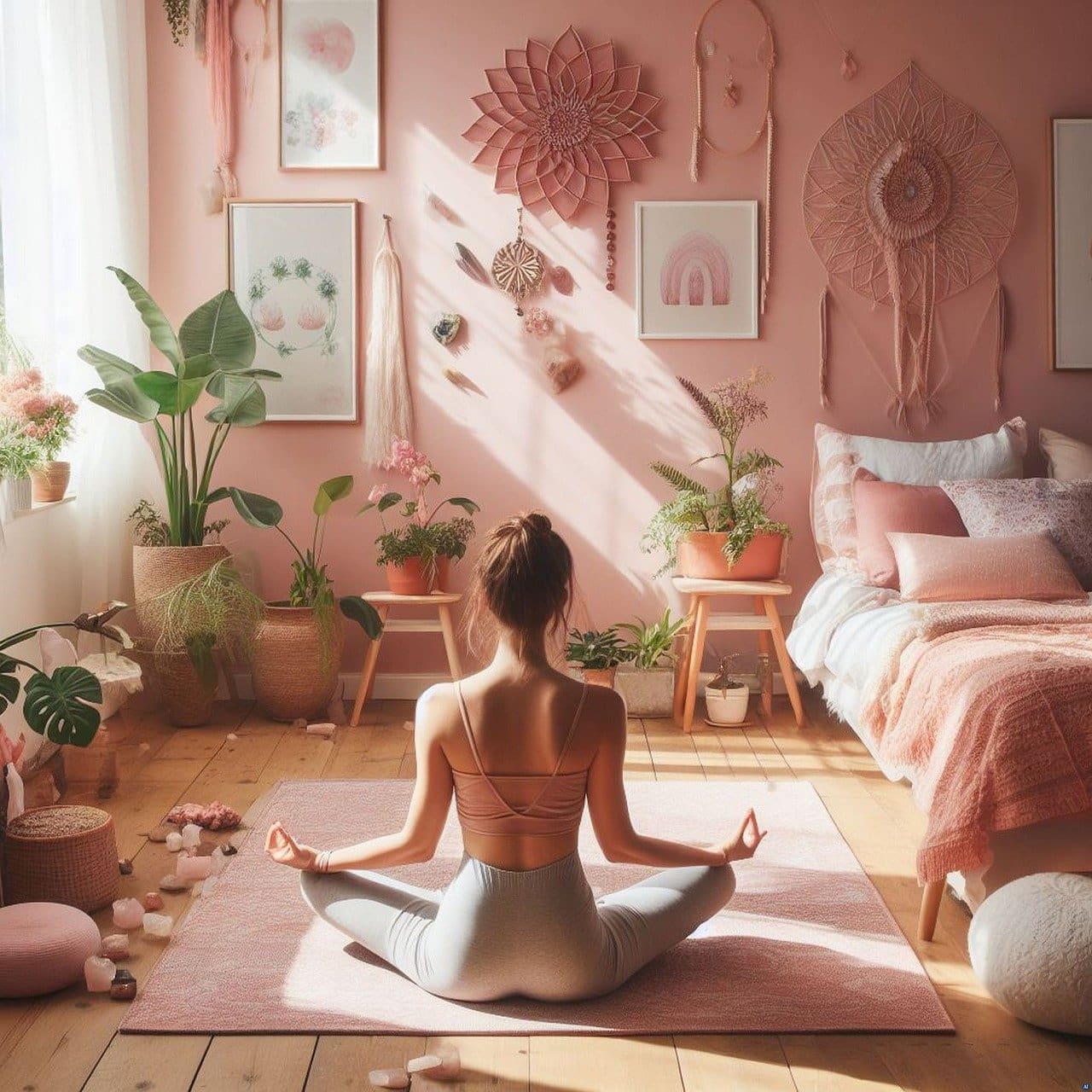
One effective way to reduce stress and anxiety is by incorporating mindfulness and meditation practices into your daily routine. Mindfulness involves focusing on the present moment without judgment, while meditation helps calm the mind and relax the body.
Here’s Why It Works:
By practicing mindfulness and meditation, you can train your brain to stay present and become more aware of your thoughts and feelings. This can help you break the cycle of negative thinking that often leads to stress and anxiety. Start with short meditation sessions or mindfulness exercises each day to build a sense of inner peace and resilience.

Tip 2: Stay Active and Exercise Regularly
Physical activity is not only beneficial for your physical health but also plays a significant role in reducing stress and anxiety. Exercise releases endorphins, which are chemicals in your brain that act as natural painkillers and mood elevators.
How It Helps:
Regular exercise can help lower your levels of stress hormones and improve your mood. Whether you prefer going for a run, practicing yoga, or simply taking a walk in nature, finding an activity that you enjoy can help you release tension and boost your overall well-being.
Tip 3: Prioritize Self-Care and Relaxation
In today’s fast-paced world, it’s easy to neglect self-care and relaxation in favor of productivity and achievement. However, taking time to rest and recharge is essential for reducing stress and anxiety in the long run.
Make Time for Yourself:
Whether it’s reading a book, taking a bath, or spending time in nature, prioritize activities that bring you joy and relaxation. Setting boundaries and saying no to activities that drain your energy can help you create a more balanced and stress-free lifestyle.

Tip 4: Improve Your Sleep Hygiene
Getting an adequate amount of high-quality sleep is crucial for managing stress and anxiety. Sleep deprivation can exacerbate feelings of worry and tension, making it harder for you to cope with daily challenges.
Establish a Bedtime Routine:
Create a relaxing bedtime routine to signal to your body that it’s time to wind down and prepare for sleep. Avoid screens, caffeine, and stimulating activities before bedtime and aim for a consistent sleep schedule to support your overall well-being.
Tip 5: Connect with Supportive Relationships
Maintaining strong social connections and seeking support from friends and family can help you navigate through stressful times and reduce feelings of isolation and anxiety. Sharing your thoughts and emotions with trusted individuals can provide you with the comfort and reassurance you need to cope with stress.
Reach Out for Help:
Don’t hesitate to seek professional help if you feel overwhelmed by stress and anxiety. Therapy, counseling, or support groups can offer you valuable tools and resources to manage your mental health and well-being. Remember, you’re not alone, and asking for help is a sign of strength, not weakness.
Tip 6: Practice Deep Breathing and Relaxation Techniques
Deep breathing exercises and relaxation techniques can help activate your body’s relaxation response and reduce feelings of stress and anxiety. By focusing on your breath and consciously slowing down your heart rate, you can create a sense of calm and tranquility within yourself.
Try This Technique:
Find a quiet place to sit or lie down comfortably and close your eyes. Inhale deeply through your nose, counting to four, then exhale slowly through your mouth, counting to six. Repeat this breathing pattern several times, focusing on each breath and letting go of any tension in your body.
Tip 7: Manage Your Time and Prioritize Tasks
Feeling overwhelmed by a never-ending to-do list can contribute to stress and anxiety. By managing your time effectively and setting realistic goals and priorities, you can create a sense of control and organization in your daily life.
Create a Schedule:
Use a planner or digital calendar to map out your tasks and commitments, allowing you to allocate time for important activities while maintaining a healthy work-life balance. Break down large tasks into smaller steps and tackle them one at a time to avoid feeling overwhelmed.
Tip 8: Practice Gratitude and Positive Thinking
Cultivating a sense of gratitude and focusing on positive aspects of your life can help shift your perspective and reduce feelings of stress and anxiety. By acknowledging the good things in your life and practicing positive affirmations, you can reframe negative thoughts and emotions.
Start a Gratitude Journal:
Every day, write down three things you’re grateful for, no matter how big or small. This practice can help you notice the positive aspects of your life and shift your focus away from worries and fears. By adopting a mindset of gratitude, you can cultivate resilience and optimism in the face of challenges.
Tip 9: Limit Exposure to Stressful Triggers
Identifying and avoiding triggers that contribute to stress and anxiety can help you create a healthier and more peaceful environment for yourself. Whether it’s certain people, situations, or activities, learning to set boundaries and protect your emotional well-being is essential for managing your mental health.
Learn to Say No:
Don’t feel obligated to say yes to every request or invitation that comes your way. Learning to set boundaries and prioritize your needs and boundaries is key to creating a more balanced and stress-free life. Remember, it’s okay to put yourself first and protect your mental health.
Conclusion
In conclusion, reducing stress and anxiety is a journey that requires patience, self-awareness, and dedication to self-care. By incorporating these top tips into your daily routine and lifestyle, you can create a more balanced and peaceful existence for yourself. Remember, it’s essential to prioritize your mental health and well-being, and seeking help and support when needed is a sign of strength, not weakness. Take small steps each day to practice self-compassion and resilience, and remember that you have the power to overcome stress and anxiety and live a fulfilling and joyful life.