

In a high-stress and demanding environment like the military, it is crucial to prioritize the mental well-being of our servicemen. This article highlights the top ways in which men’s mental health can be addressed in the military. From encouraging open dialogues and destigmatizing seeking help to implementing comprehensive mental health training programs, these strategies aim to create a supportive and resilient environment for our brave men in uniform. With a friendly tone and practical suggestions, this article seeks to provide invaluable insights on how to effectively address men’s mental health in the military.
Increase Mental Health Awareness
Provide education and training on mental health issues
One of the key ways to address men’s mental health in the military is by providing education and training on mental health issues. By offering comprehensive training programs, military personnel can become more aware of common mental health challenges, such as depression, anxiety, and post-traumatic stress disorder (PTSD). Through this education, individuals can better understand the signs and symptoms of mental health problems, as well as learn strategies for managing their own mental well-being and supporting their peers.
Promote open discussions about mental health
Promoting open discussions about mental health is crucial in reducing stigma and creating a culture of acceptance in the military. Encouraging service members to openly talk about their emotions and challenges helps to normalize the conversation around mental health. By fostering an environment where individuals feel comfortable discussing their experiences, the military can better address men’s mental health issues and provide the necessary support and resources.
Highlight the signs and symptoms of mental health problems
Raising awareness about the signs and symptoms of mental health problems is essential in early identification and intervention. By educating military personnel on what to look for, such as changes in behavior, mood, or sleep patterns, individuals can recognize when someone may be struggling with their mental health. Providing this knowledge empowers service members to take action and support their colleagues when they notice potential mental health concerns.
Encourage seeking help for mental health challenges
Encouraging service members to seek help for mental health challenges is crucial in addressing men’s mental health in the military. Many men in the military may feel hesitant to reach out for assistance due to the perception that it is a sign of weakness. However, by promoting a culture that values seeking help as a sign of strength and resilience, individuals are more likely to seek the support they need. Creating a safe and confidential environment where service members can access mental health resources without fear of judgment or career repercussions is vital to ensuring their well-being.
Reduce Stigma and Promote Acceptance
Combat stereotypes around masculinity and mental health
Combatting stereotypes around masculinity and mental health is essential to create an atmosphere of acceptance and understanding. Traditional notions of masculinity often discourage men from expressing vulnerability or seeking help for their mental health. Challenging these stereotypes and promoting the idea that seeking support is a sign of strength helps to break down barriers and encourages men in the military to prioritize their mental well-being.
Share personal stories of resilience and recovery
Sharing personal stories of resilience and recovery can have a profound impact on reducing stigma and promoting acceptance in the military. When men in the military see their colleagues open up about their mental health struggles and successful journeys to recovery, it helps normalize the idea that anyone can face mental health challenges. By sharing these stories, individuals can inspire others to seek support and to believe in their own ability to overcome mental health difficulties.
Promote a culture of empathy and support
Promoting a culture of empathy and support is crucial in addressing men’s mental health in the military. Creating an environment where individuals feel safe to share their experiences and emotions without judgment fosters a sense of belonging and support. Encouraging service members to actively listen and provide empathy to their peers helps to foster a culture of understanding and compassion that can significantly impact the mental well-being of men in the military.
Normalize therapy and counseling
Normalizing therapy and counseling is essential in challenging the stigma around mental health in the military. Many individuals may be hesitant to seek professional help due to concerns about judgment or the belief that they can handle their challenges on their own. By implementing programs that normalize therapy and counseling and highlight the benefits and effectiveness of these interventions, individuals are more likely to consider and seek out these resources when needed.
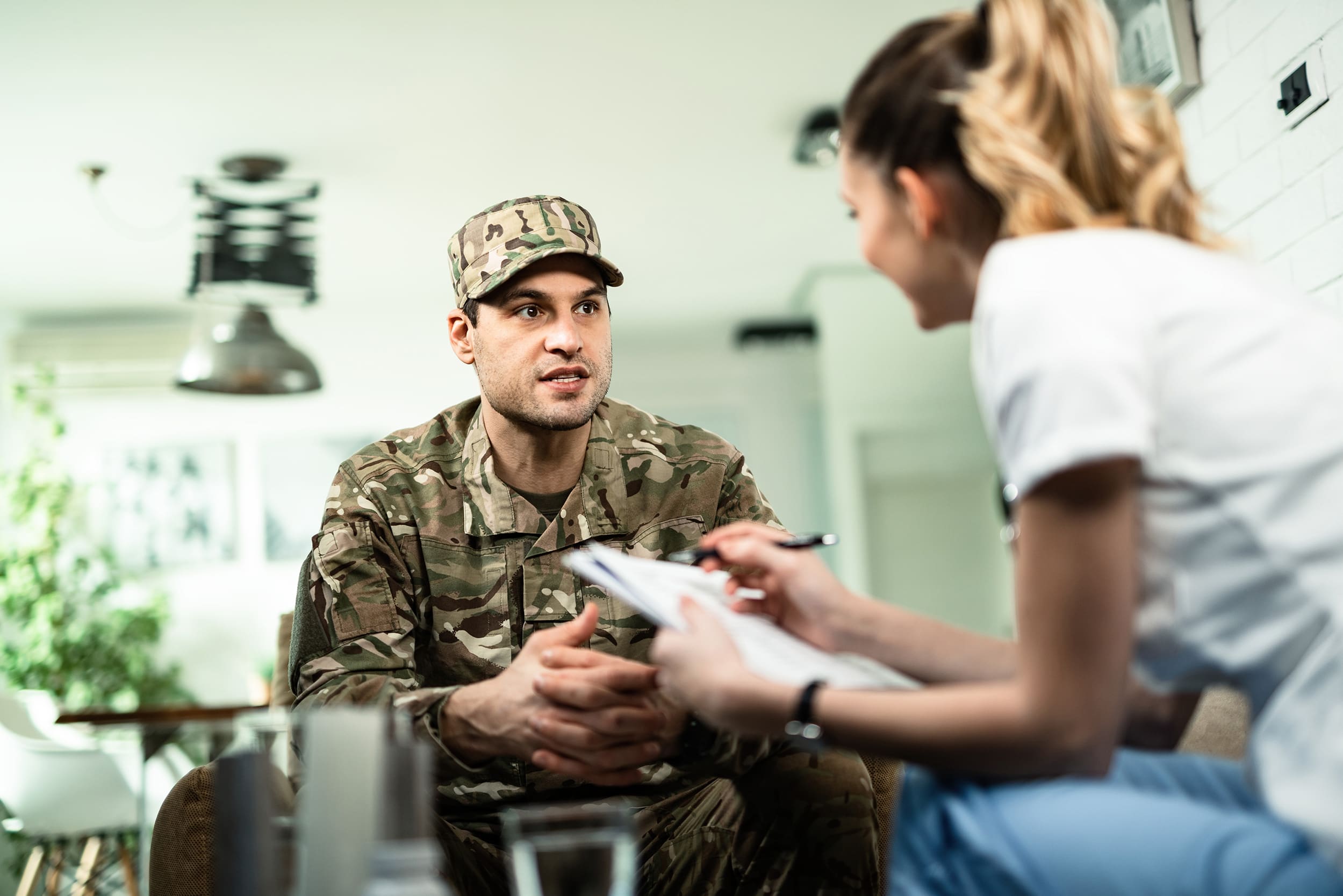
Improve Access to Mental Health Services
Increase the availability of mental health professionals
Increasing the availability of mental health professionals is crucial in addressing men’s mental health in the military. It is important to ensure that there are enough qualified professionals to provide timely and effective support to service members. By hiring and retaining mental health professionals within the military healthcare system, individuals are more likely to have access to the care they need when they need it.
Create specialized mental health programs for military personnel
Creating specialized mental health programs for military personnel is essential in addressing the unique challenges they may face. These programs can focus on addressing issues such as combat-related trauma, stress, and the demands of military life. By tailoring the programs to the specific needs of military personnel, individuals can receive targeted support that is relevant to their experiences.
Facilitate easy and confidential access to mental health resources
Facilitating easy and confidential access to mental health resources is crucial in ensuring that men in the military can seek help without fear of stigma or negative consequences. Implementing user-friendly platforms, hotlines, and confidential reporting mechanisms can make it easier for individuals to access the support they need. Additionally, ensuring that mental health resources are widely publicized and easily accessible throughout military units can help normalize seeking help and reduce the perceived barriers associated with reaching out for support.
Implement telehealth services for remote and deployed military personnel
Implementing telehealth services is a vital step in improving access to mental health services for remote and deployed military personnel. By utilizing technology, individuals in remote locations or deployed on missions can still access mental health support without physical proximity to mental health professionals. Telehealth services can include virtual counseling sessions, online therapy programs, and remote consultations, providing convenience and accessibility to those who may otherwise face challenges in accessing in-person care.
Enhance Peer Support Programs
Establish peer support groups within military units
Establishing peer support groups within military units can have a significant impact on addressing men’s mental health. These groups provide a safe and supportive space for service members to connect with their peers, share experiences, and provide mutual support. Peer support groups allow individuals to feel understood and validated by others who have had similar experiences, promoting a sense of camaraderie and resilience.
Train military personnel in peer counseling techniques
Training military personnel in peer counseling techniques equips them with the skills to provide effective support to their fellow service members. This training can include active listening, crisis intervention, and techniques for promoting well-being. By empowering individuals to support one another, the military can create a culture of looking out for each other’s mental health and well-being.
Encourage buddy systems and check-ins among service members
Encouraging buddy systems and regular check-ins among service members is an effective way to promote peer support and ensure that individuals feel supported and connected. Having a designated buddy or support person can provide a sense of security and someone to turn to during challenging times. Regular check-ins further strengthen these support networks by promoting open communication and reinforcing the importance of looking out for one another.
Promote the use of chaplains and chaplain assistants for emotional support
Chaplains and chaplain assistants play an important role in providing emotional support to men in the military. They offer confidential counseling, spiritual guidance, and a listening ear for service members who may feel more comfortable seeking support from a religious or spiritual perspective. Promoting the use of chaplains and chaplain assistants helps ensure that individuals have access to emotional support options that align with their beliefs and values.

Develop Resilience and Coping Skills
Provide resilience training during basic training and throughout military career
Providing resilience training during basic training and throughout a military career equips service members with the skills to navigate the unique challenges they may face. Resilience training can include techniques for managing stress, building emotional resilience, and developing coping skills. By helping individuals develop resilience, the military prepares them to effectively face adversity and maintain their mental well-being.
Teach stress management techniques and coping strategies
Teaching stress management techniques and coping strategies is essential in equipping men in the military with the tools to effectively manage their mental health. These techniques can include mindfulness exercises, relaxation techniques, and effective problem-solving strategies. By providing education on stress management, individuals are better prepared to handle the demands of military life and reduce the risk of negative impacts on their mental well-being.
Offer mindfulness and meditation programs
Offering mindfulness and meditation programs can have a significant impact on reducing stress, anxiety, and promoting overall mental well-being among men in the military. These practices help individuals cultivate self-awareness, focus, and emotional regulation. By incorporating mindfulness and meditation programs into military training and daily routines, individuals can develop essential skills for managing their mental health in high-stress environments.
Promote healthy lifestyle habits including exercise and nutrition
Promoting healthy lifestyle habits, including regular exercise and proper nutrition, is essential for maintaining good mental health. Physical activity has been proven to reduce stress, improve mood, and boost overall well-being. By incorporating exercise programs and providing access to nutritious meals, the military supports men in maintaining a healthy body-mind connection, which can positively impact their mental health.
Address Traumatic Experiences
Implement trauma-informed care practices
Implementing trauma-informed care practices is crucial in addressing the mental health needs of men in the military who have experienced trauma. This approach ensures that mental health professionals and support staff are trained to recognize and respond to the specific needs of individuals who have been impacted by traumatic experiences. By adopting trauma-informed care practices, the military can create a safe and supportive environment for individuals to heal and recover.
Provide comprehensive support for service members experiencing trauma
Providing comprehensive support for service members experiencing trauma is essential in addressing their mental health needs. This support can include specialized counseling services, access to trauma-focused therapies, and resources for understanding and coping with the impact of traumatic experiences. By offering a holistic approach to care, the military can help individuals navigate the challenges associated with trauma and work towards healing and recovery.
Offer specialized treatment for post-traumatic stress disorder (PTSD)
Offering specialized treatment for post-traumatic stress disorder (PTSD) is crucial in addressing the mental health needs of men in the military who have experienced trauma. PTSD is a common mental health condition that can result from exposure to traumatic events. Providing evidence-based therapies, such as cognitive-behavioral therapy (CBT) and eye movement desensitization and reprocessing (EMDR), can significantly improve the well-being of individuals living with PTSD and help them regain control of their lives.
Develop coping mechanisms for dealing with traumatic events
Developing coping mechanisms for dealing with traumatic events is essential in helping men in the military manage the impact of trauma on their mental health. Coping mechanisms can include techniques for grounding oneself, stress reduction strategies, and healthy ways of expressing emotions. By equipping individuals with effective coping strategies, the military helps them develop resilience and find healthy outlets to process and navigate the challenges of traumatic experiences.

Increase Mental Health Screening
Conduct regular mental health screenings for all military personnel
Conducting regular mental health screenings for all military personnel is crucial in identifying individuals who may be struggling with their mental well-being. By incorporating routine screenings into military healthcare protocols, the military can ensure that mental health concerns are identified early on and appropriate support can be provided. Regular screenings also help reduce the stigma associated with seeking help for mental health by making it a standard part of overall health assessment.
Encourage self-assessment tools to monitor mental well-being
Encouraging the use of self-assessment tools to monitor mental well-being empowers men in the military to take an active role in their own mental health. Self-assessment tools, such as questionnaires or online assessments, help individuals track their mental well-being over time and identify any changes or areas of concern. By promoting the use of these tools, the military encourages individuals to be proactive in assessing and addressing their mental health needs.
Identify individuals at risk and provide early intervention
Identifying individuals at risk and providing early intervention is essential in addressing men’s mental health in the military. By monitoring mental health screenings and self-assessment results, as well as staying attuned to changes in behavior or performance, the military can identify individuals who may be at risk for mental health challenges. Early intervention, such as offering counseling or connecting individuals with appropriate resources, can prevent the escalation of mental health problems and provide timely support.
Ensure follow-up care for those who need it
Ensuring follow-up care for those who need it is crucial in addressing men’s mental health in the military. Once mental health concerns have been identified, it is essential to provide appropriate and ongoing care for individuals. This can include regular counseling sessions, therapy, or access to mental health support groups. By prioritizing follow-up care, the military demonstrates its commitment to supporting the mental well-being of its service members.
Support Transition and Reintegration
Provide mental health support during transitions between deployments and civilian life
Providing mental health support during transitions between deployments and civilian life is essential in addressing men’s mental health in the military. These periods of transition can be challenging as individuals adjust to different environments, roles, and expectations. By offering comprehensive mental health support, such as counseling and resources for managing the stress of transition, the military ensures that men are well-equipped to navigate these changes and maintain their mental well-being.
Offer counseling and resources for service members leaving the military
Offering counseling and resources for service members leaving the military is crucial in supporting their mental health during this significant life transition. Exiting the military can present various challenges, including adjusting to civilian life, finding employment, and building a new support network. By providing access to counseling services, career guidance, and community resources, the military helps individuals successfully navigate this transition and address any mental health concerns that may arise.
Create programs to assist with job placement and educational opportunities
Creating programs to assist with job placement and educational opportunities is crucial in addressing men’s mental health during the transition to civilian life. Unemployment and lack of educational opportunities can significantly impact an individual’s mental well-being. By offering assistance with job placement and educational resources, the military ensures that men have the support they need to build a fulfilling post-military life, reducing the stress and potential mental health challenges associated with uncertain futures.
Address challenges related to family, relationships, and financial stability
Addressing challenges related to family, relationships, and financial stability is essential in supporting men’s mental health during and after military service. Deployment and the demands of military life can strain relationships, create financial stress, and disrupt family dynamics. By providing counseling services, financial education, and support programs for families, the military helps individuals navigate these challenges and maintain stability in their personal lives.

Promote Work-Life Balance
Implement policies to reduce excessive work hours and improve rest
Implementing policies to reduce excessive work hours and improve rest is essential in promoting work-life balance and supporting men’s mental health in the military. Long and demanding work schedules can negatively impact mental well-being and increase stress levels. By prioritizing rest and ensuring reasonable work hours, the military demonstrates its commitment to the well-being of service members and reduces the risk of burnout and mental health challenges.
Encourage regular leave and vacation time to recharge
Encouraging regular leave and vacation time is crucial in promoting a healthy work-life balance and preventing mental health concerns. Taking time away from work allows individuals to recharge, spend quality time with loved ones, and engage in activities that promote well-being. By actively encouraging and supporting service members in taking their entitled leave and vacation time, the military acknowledges the importance of rest and relaxation in maintaining good mental health.
Offer flexible work arrangements to accommodate personal needs
Offering flexible work arrangements is essential in promoting work-life balance and accommodating the personal needs of men in the military. Flexibility in work schedules and arrangements, such as remote work options or adjusted shift times, can enable individuals to better manage their personal responsibilities and obligations outside of work. By providing these flexible arrangements, the military supports the well-being of service members and acknowledges their diverse needs.
Promote a healthy work environment that prioritizes mental well-being
Promoting a healthy work environment that prioritizes mental well-being is crucial in addressing men’s mental health in the military. This includes fostering open communication, providing resources and support for mental health initiatives, and actively addressing any concerns or challenges related to mental well-being in the workplace. By creating a culture that values mental well-being, the military supports the overall health and resilience of its service members.
Collaborate with Mental Health Organizations
Partner with mental health organizations to improve resources and support
Partnering with mental health organizations is essential in enhancing resources and support for men’s mental health in the military. Collaborating with these organizations allows the military to access specialized expertise, research, and best practices in mental health. By establishing partnerships, the military ensures a comprehensive and coordinated approach to addressing men’s mental health, aligning with the latest advancements in the field.
Share best practices and research findings
Sharing best practices and research findings with mental health organizations benefits both the military and the broader mental health community. By sharing knowledge and experiences, the military enables mental health organizations to gain insights into the unique challenges faced by men in the military. This collaboration facilitates the development of innovative strategies, interventions, and support systems that can effectively address men’s mental health in diverse military contexts.
Raise awareness and funds for mental health initiatives
Collaborating with mental health organizations allows the military to raise awareness and funds for mental health initiatives. Through joint awareness campaigns and fundraising efforts, the military can generate public support and resources for mental health programs and services. This collaboration creates opportunities for the wider community to contribute to the well-being of men in the military and fosters a sense of collective responsibility towards their mental health.
Collaborate on research projects to further understand men’s mental health in the military
Collaborating on research projects with mental health organizations is essential for furthering the understanding of men’s mental health in the military. By conducting joint research studies, the military can gather valuable insights into the specific factors and challenges that contribute to mental health concerns among male service members. This collaboration helps shape evidence-based practices and interventions that can improve the support and care provided to men in the military.
In conclusion, addressing men’s mental health in the military requires a comprehensive and multi-faceted approach. By increasing mental health awareness, reducing stigma, improving access to services, enhancing peer support programs, developing resilience and coping skills, addressing traumatic experiences, increasing mental health screening, supporting transitions, promoting work-life balance, and collaborating with mental health organizations, the military can effectively address the unique mental health needs of men in the military and ensure their well-being. It is through these proactive measures that the military can create a supportive and thriving environment that values and prioritizes the mental health of its male service members.
