
Welcome to an informative article on the top ways to control symptoms of arthritis. Living with arthritis can be challenging, but by incorporating these effective methods into your daily routine, you can better manage your symptoms and improve your overall quality of life. From staying active with low-impact exercises to maintaining a healthy diet and incorporating stress-reducing techniques, this article will provide you with practical tips to help alleviate joint pain and stiffness associated with arthritis. Let’s empower you with the knowledge and tools to take control of your arthritis symptoms and lead a more comfortable and fulfilling life. Have you been struggling with arthritis pain and stiffness? If so, you’re not alone. Arthritis affects millions of people around the world, making everyday activities challenging and painful. Luckily, there are several ways you can manage and control the symptoms of arthritis. In this article, we’ll explore the top ways to help you alleviate pain, improve mobility, and enhance your overall quality of life. Let’s dive in and learn more about how you can take control of your arthritis symptoms.
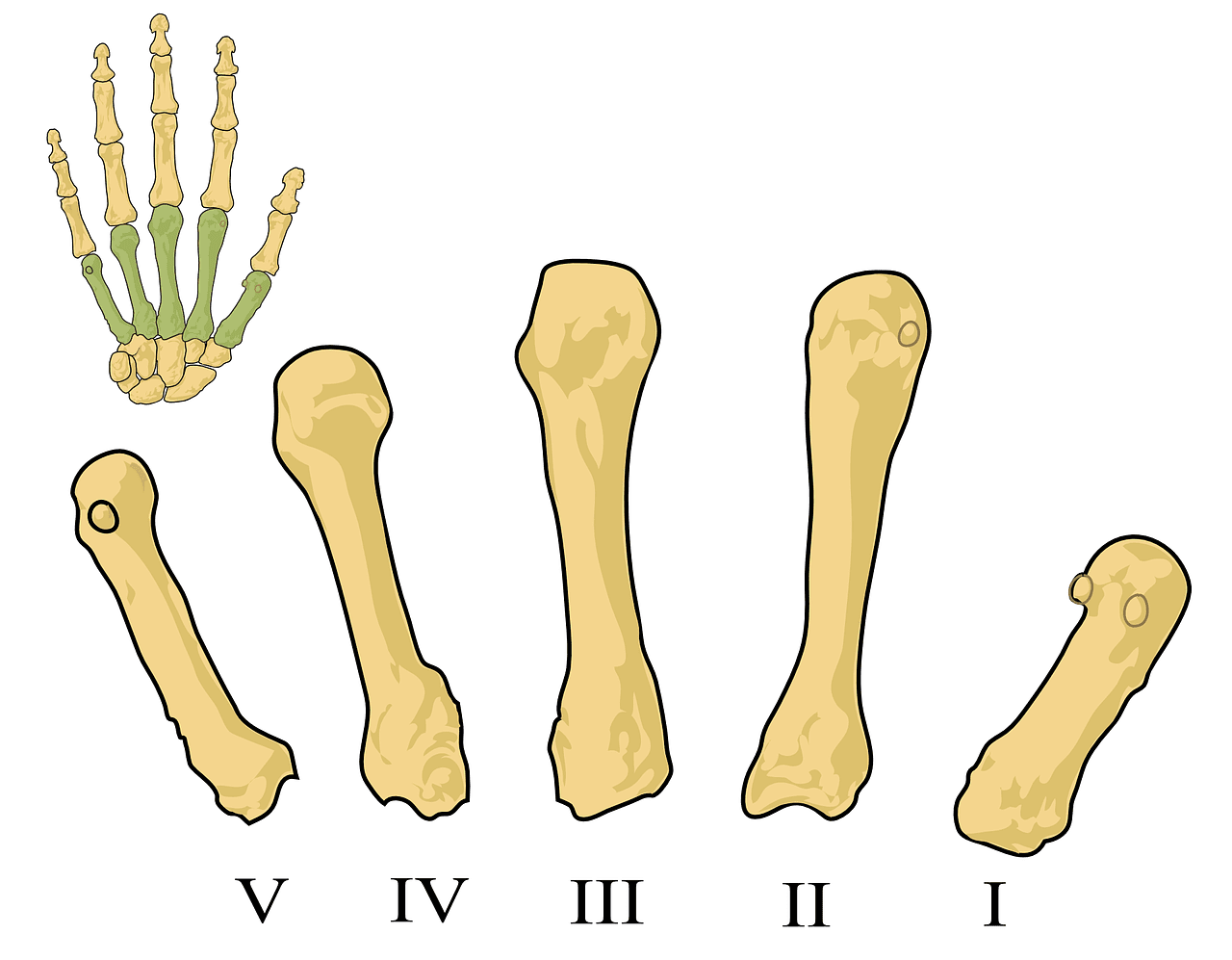
Understanding Arthritis
Arthritis is a common condition that causes pain, swelling, and stiffness in the joints. There are over 100 types of arthritis, with the most prevalent being osteoarthritis and rheumatoid arthritis. Osteoarthritis occurs when the protective cartilage that cushions the ends of your bones wears down over time, leading to pain and stiffness. Rheumatoid arthritis, on the other hand, is an autoimmune disorder that causes the immune system to mistakenly attack the joints, resulting in inflammation and pain.
Understanding the type of arthritis you have is essential to developing an effective treatment plan. Consult with your healthcare provider to get an accurate diagnosis and discuss the best course of action for managing your specific type of arthritis.
Stay Active and Exercise Regularly
One of the most effective ways to control arthritis symptoms is to stay active and engage in regular exercise. Physical activity helps to strengthen the muscles around your joints, improve flexibility, and reduce pain and stiffness. Low-impact exercises such as walking, swimming, and cycling are excellent choices for individuals with arthritis, as they help to improve joint mobility without putting too much stress on them.
Make sure to consult with a physical therapist or fitness expert to develop an exercise plan that is tailored to your specific needs and abilities. Start slowly and gradually increase the intensity and duration of your workouts as your strength and endurance improve. Remember, consistency is key when it comes to managing arthritis symptoms through exercise.

Maintain a Healthy Weight
Carrying excess weight puts additional stress on your joints, especially those in the knees, hips, and back. Losing weight can significantly reduce the strain on your joints, decrease inflammation, and alleviate arthritis pain. A healthy, balanced diet rich in fruits, vegetables, lean proteins, and whole grains can help you achieve and maintain a healthy weight.
Consult with a registered dietitian or nutritionist to develop a meal plan that meets your nutritional needs and supports your weight loss goals. Remember that small changes can lead to significant improvements in your health and well-being. Focus on making sustainable lifestyle changes that you can maintain in the long run.
Use Hot and Cold Therapy
Hot and cold therapy can help alleviate arthritis pain and reduce inflammation in your joints. Cold packs can help numb the area and reduce swelling, especially after a flare-up, while hot packs can help increase blood flow and relax tense muscles. Experiment with both hot and cold therapy to see what works best for you and provides the most relief.
You can use hot and cold packs, warm baths, or heating pads to apply heat to affected joints. Remember to wrap the packs in a towel to prevent skin damage and limit the duration of therapy to 15-20 minutes at a time. Listen to your body and adjust the temperature and duration of therapy based on your comfort level.

Practice Mindfulness and Stress Management Techniques
Stress can exacerbate arthritis symptoms and lead to increased pain and inflammation. Practicing mindfulness techniques such as meditation, deep breathing exercises, and yoga can help you relax, reduce stress, and improve your overall well-being. Mindfulness can help you cope with the challenges of living with arthritis and enhance your ability to manage pain and discomfort.
Set aside time each day to practice mindfulness and stress management techniques. Find a quiet space, close your eyes, and focus on your breath. Allow yourself to let go of worries and anxieties and be present in the moment. Over time, you’ll notice a significant reduction in stress and an improvement in your ability to cope with arthritis symptoms.
Consider Physical Therapy
Physical therapy is a valuable tool in managing arthritis symptoms and improving joint function. A physical therapist can design a customized exercise program to target specific areas of weakness, stiffness, or pain, helping you regain mobility and strength. Physical therapy can also provide you with guidance on proper body mechanics and techniques to protect your joints from further damage.
Consult with your healthcare provider to get a referral for physical therapy and find a therapist who specializes in treating arthritis. Be prepared to commit to regular therapy sessions and follow the exercises and recommendations provided by your therapist to achieve the best results.
Explore Alternative Therapies
In addition to traditional medical treatments, you may want to explore alternative therapies to help manage arthritis symptoms. Acupuncture, massage therapy, chiropractic care, and herbal supplements are just a few examples of alternative therapies that can provide relief from pain and inflammation. Keep in mind that not all alternative therapies are supported by scientific evidence, so it’s essential to do your research and consult with your healthcare provider before trying any new treatments.
If you decide to explore alternative therapies, make sure to work with qualified professionals who have experience in treating arthritis. Communicate openly with your healthcare team about the therapies you’re considering and collaborate to develop a comprehensive treatment plan that addresses your specific needs and goals.
Get Adequate Sleep and Rest
Quality sleep is essential for overall health and well-being, especially when you’re living with arthritis. Chronic pain and discomfort can interfere with your sleep patterns, making it challenging to get the rest you need to recover and recharge. Establish a bedtime routine, create a relaxing sleep environment, and avoid stimulants such as caffeine or screen time before bed to improve your sleep quality.
If you’re struggling with sleep disturbances, consider talking to your healthcare provider about potential solutions. They may recommend sleep aids, relaxation techniques, or lifestyle modifications to help you get the restful sleep you need to manage arthritis symptoms effectively.
Stay Informed and Educated
Knowledge is power when it comes to managing arthritis symptoms and improving your quality of life. Stay informed about the latest developments in arthritis research, treatment options, and lifestyle modifications that can help you live well with arthritis. Join a support group, attend educational seminars, or read reputable sources of information to keep up-to-date with relevant news and resources.
Ask questions, seek advice, and share your experiences with others who are living with arthritis. By staying informed and educated, you can empower yourself to make informed decisions about your health and well-being and take control of your arthritis symptoms.
Conclusion
Living with arthritis can be challenging, but with the right strategies and support, you can regain control over your symptoms and enhance your quality of life. By staying active, maintaining a healthy weight, using hot and cold therapy, practicing mindfulness, considering physical therapy, exploring alternative therapies, getting adequate sleep, and staying informed, you can effectively manage arthritis pain and improve joint function.
Remember that every individual is unique, and what works for one person may not work for another. It’s essential to listen to your body, communicate openly with your healthcare team, and be patient as you explore different treatment options and lifestyle modifications. With dedication, perseverance, and a positive attitude, you can overcome the challenges of living with arthritis and enjoy a fulfilling and active life. Take the first step today towards controlling your arthritis symptoms and reclaiming your health and well-being.