
Are you looking to add more wholesome goodness to your diet but not sure where to start? Look no further! In this article, we’ll explore the top ways you can easily incorporate more whole grains into your daily meals. From swapping out refined grains for their whole grain counterparts to exploring new recipes and meal ideas, you’ll discover simple and delicious ways to nourish your body with the nutritional benefits of whole grains. So get ready to embark on a journey to a healthier and more balanced diet!
1. Start with the Basics
When it comes to incorporating more whole grains into your diet, starting with the basics is key. Switching to whole grain versions of your favorite foods is a simple and effective way to make this dietary shift. Whole grain bread, pasta, and rice are readily available options that can easily replace their refined counterparts.
Experimenting with different whole grains is another great way to diversify your diet. While most of us are familiar with staples like brown rice and whole wheat bread, there is a wide variety of whole grains to choose from. Quinoa, bulgur, farro, and barley are just a few examples of whole grains that can add a delicious and nutritious twist to your meals.
Snacking is a common habit for many of us, and incorporating whole grain snacks into your routine is an excellent way to boost your whole grain intake. Instead of reaching for sugary or processed snacks, opt for whole grain crackers or rice cakes. These options provide a satisfying crunch while also providing valuable nutrients.
2. Try Whole Grain Breakfast Options
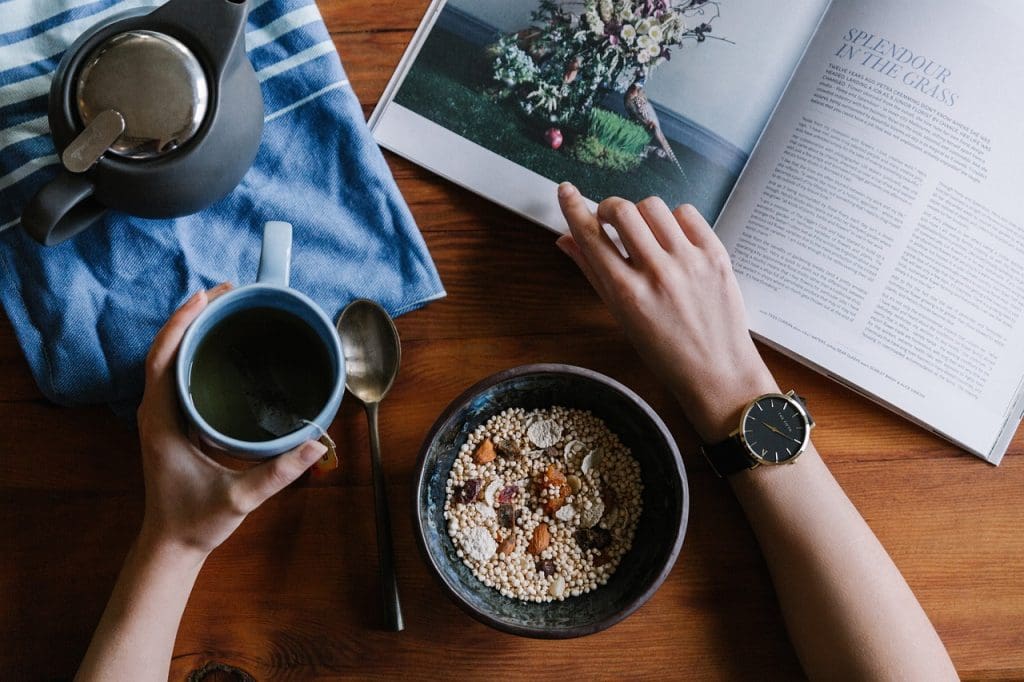
Breakfast sets the tone for the day, and starting off with a wholesome meal is essential. Opting for whole grain cereals is an easy way to incorporate more whole grains into your morning routine. Look for options that contain whole grains like oats, barley, or quinoa for a nutritious and filling start to your day.
Another great breakfast option is overnight oats with whole grains. Oats are a fantastic whole grain that can be soaked overnight with milk, yogurt, or any other liquid of your choice. This creates a delicious and convenient breakfast that can be customized with toppings like fruit, nuts, or seeds.
For those who love indulging in pancakes or waffles, making them with whole grain flour is a fantastic alternative. Whole grain pancakes or waffles can be just as delicious as their refined flour counterparts, but with the added benefit of more nutrients and fiber to keep you energized throughout the day.
3. Incorporate Whole Grains in Main Meals
One of the easiest ways to incorporate whole grains into your main meals is by using whole grain bread for sandwiches and toast. Whether you’re making a classic deli sandwich or enjoying avocado toast, using whole grain bread will add a nutty flavor and a satisfying texture.
A popular staple in many cuisines is rice. Instead of reaching for white rice, try substituting it with brown rice or quinoa. Both options are whole grains and offer a wealth of nutrients. Brown rice has a slightly nutty flavor, while quinoa adds a unique texture to your dishes.
If pasta is a favorite in your household, consider switching to whole grain pasta. Whole grain pasta made from whole wheat or other whole grains is an excellent source of fiber and nutrients. You can enjoy your favorite pasta dishes while still nourishing your body with whole grains.
4. Sneak Whole Grains into Side Dishes
Side dishes provide an opportunity to sneak in even more whole grains. Adding cooked quinoa or bulgur to salads is a fantastic way to incorporate whole grains while adding a delightful chewiness to your salads. These grains absorb the flavors of your salad dressing, making them a perfect companion to fresh veggies.
Stir-fries are another great way to incorporate whole grains into your meals. Instead of using only white rice, try adding cooked barley or brown rice to your stir-fry. The nutty flavor and slightly chewy texture of these whole grains will take your stir-fry to a whole new level.
When you’re looking for a tasty side dish, consider making a whole grain pilaf with vegetables. Simply cook your favorite whole grain, like quinoa or bulgur, in vegetable broth and mix in a generous amount of sautéed vegetables. This flavorful blend of whole grains and veggies is a nutritious and hearty addition to any meal.

5. Discover Whole Grain Snacks
Snacking doesn’t have to be unhealthy, and whole grain snacks are a great way to satisfy your cravings while nourishing your body. Instead of reaching for chips or cookies, choose whole grain crackers or rice cakes. These alternatives provide a satisfying crunch while also serving as a great source of fiber.
If you love popcorn, opt for whole grain popcorn instead of the regular variety. Whole grain popcorn kernels can be easily popped at home using a stovetop or an air popper. Season it with your favorite herbs and spices for a guilt-free, flavorful snack.
If you enjoy the convenience of store-bought snacks, consider baking your own whole grain granola bars at home. These bars are easy to make and can be customized to include your favorite nuts, seeds, and dried fruits. You’ll have a delicious and nutritious snack on hand whenever you need a quick pick-me-up.
6. Bake with Whole Grain Flours
Baking doesn’t have to be limited to refined flours. By substituting all-purpose flour with whole wheat flour, you can easily incorporate more whole grains into your sweet treats. Whole wheat flour adds a hearty flavor and a subtle nuttiness to your baked goods.
Experimenting with other whole grain flours is another way to expand your baking repertoire. Flours made from grains like spelt, amaranth, or buckwheat can be used to create a variety of baked goods. Each type of whole grain flour has its own unique flavor profile and nutritional benefits.
If you’re interested in trying your hand at breadmaking or muffin baking, there are plenty of whole grain recipes available. Whole grain breads can be made using a combination of whole wheat flour and other whole grain flours like rye or oat. Whole grain muffins can incorporate ingredients like whole oats and whole grain cornmeal for added texture and flavor.

7. Read Food Labels and Packaging
When shopping for products, it’s important to read food labels and packaging to ensure you’re choosing options that contain whole grains. Look for products that list whole grains, such as whole wheat, whole oats, or whole rye, as the main ingredients. This ensures that the product is predominantly made from whole grains.
Checking the fiber content on food labels is another helpful tip. Whole grains are naturally high in fiber, so products that contain whole grains should also have a significant amount of dietary fiber. Aim for products that provide at least 3-5 grams of fiber per serving.
Avoiding products with refined grains is important when trying to incorporate more whole grains into your diet. Refined grains have been stripped of their bran and germ, removing essential nutrients and fiber. Opt for whole grain options whenever possible to reap the full nutritional benefits.
8. Meal Prepping with Whole Grains
Meal prepping can make incorporating whole grains into your diet even easier. Cook large batches of quinoa, brown rice, or bulgur ahead of time and store them in the fridge or freezer. This allows you to have prepped whole grains on hand for quick and convenient meals throughout the week.
Using whole grains as a base for Buddha bowls or grain salads is an excellent way to pack in more nutrients and flavors. Simply top your prepped whole grains with a variety of vegetables, proteins, and dressings for a well-rounded and satisfying meal.
9. Go for Whole Grain Desserts
Desserts don’t have to be completely off-limits when you’re incorporating more whole grains into your diet. By using whole grain flours in your baking, you can create delicious treats that are both satisfying and nutritious.
Whole wheat flour can be used as a substitute for all-purpose flour in many baking recipes. Whether you’re making cookies, cakes, or muffins, using whole grain flour adds a wholesome touch to your sweet treats. Experiment with different ratios to find the perfect balance of whole grain goodness and indulgence.
If you’re looking for a creamy and satisfying dessert, consider making whole grain puddings or parfaits. Using whole grain ingredients like oats, quinoa, or chia seeds, you can create delicious and nutrient-packed puddings and parfaits. Layer them with your favorite fruits, yogurt, or nuts for a delightful dessert experience.
Another fantastic whole grain dessert option is a fruit crumble. Swap out the refined flour in the crumble topping with whole grain flour for added nutritional value. The combination of sweet, juicy fruit and crunchy whole grain topping is a dessert you can feel good about.
10. Drink Whole Grain Beverages
Incorporating whole grains into your beverages is a creative and delicious way to increase your whole grain intake. Switching to whole grain milk alternatives, such as oat or barley milk, is a great option for those looking for dairy-free options. These plant-based milks offer a unique flavor profile and are enriched with the nutritional benefits of whole grains.
If you enjoy smoothies or shakes, try adding whole grains to enhance their nutritional content. Whole grain oats or cooked quinoa can be blended into your favorite smoothie recipes for an extra dose of fiber and nutrients. The whole grains also add thickness and substance to your drinks.
When it comes to enjoying whole grain beverages, don’t forget about warm and comforting options like barley tea or oat milk lattes. These beverages can be a delightful alternative to traditional drinks and have the added benefit of whole grain goodness.
Incorporating more whole grains into your diet doesn’t mean sacrificing taste or convenience. By following these ten tips, you can easily and deliciously boost your whole grain intake and reap the numerous health benefits that come with it. So, go ahead and start exploring the world of whole grains today!