
As you age, maintaining a healthy gut and digestive system becomes increasingly important. Taking care of your gut health can help improve digestion, boost your immune system, and enhance overall well-being. In this article, we will explore the top ways to keep your gut and digestive system in good shape as you age, providing you with useful tips and insights to promote a healthier lifestyle. So, grab a cup of tea, sit back, and let’s embark on a journey to better gut health together!
Eat a Balanced Diet
Eating a balanced diet is crucial for maintaining a healthy gut and digestive system as you age. It is important to include fiber-rich foods in your diet, such as fruits, vegetables, whole grains, and legumes. Fiber helps promote regular bowel movements and prevents constipation. It also provides nourishment for the beneficial bacteria in your gut.
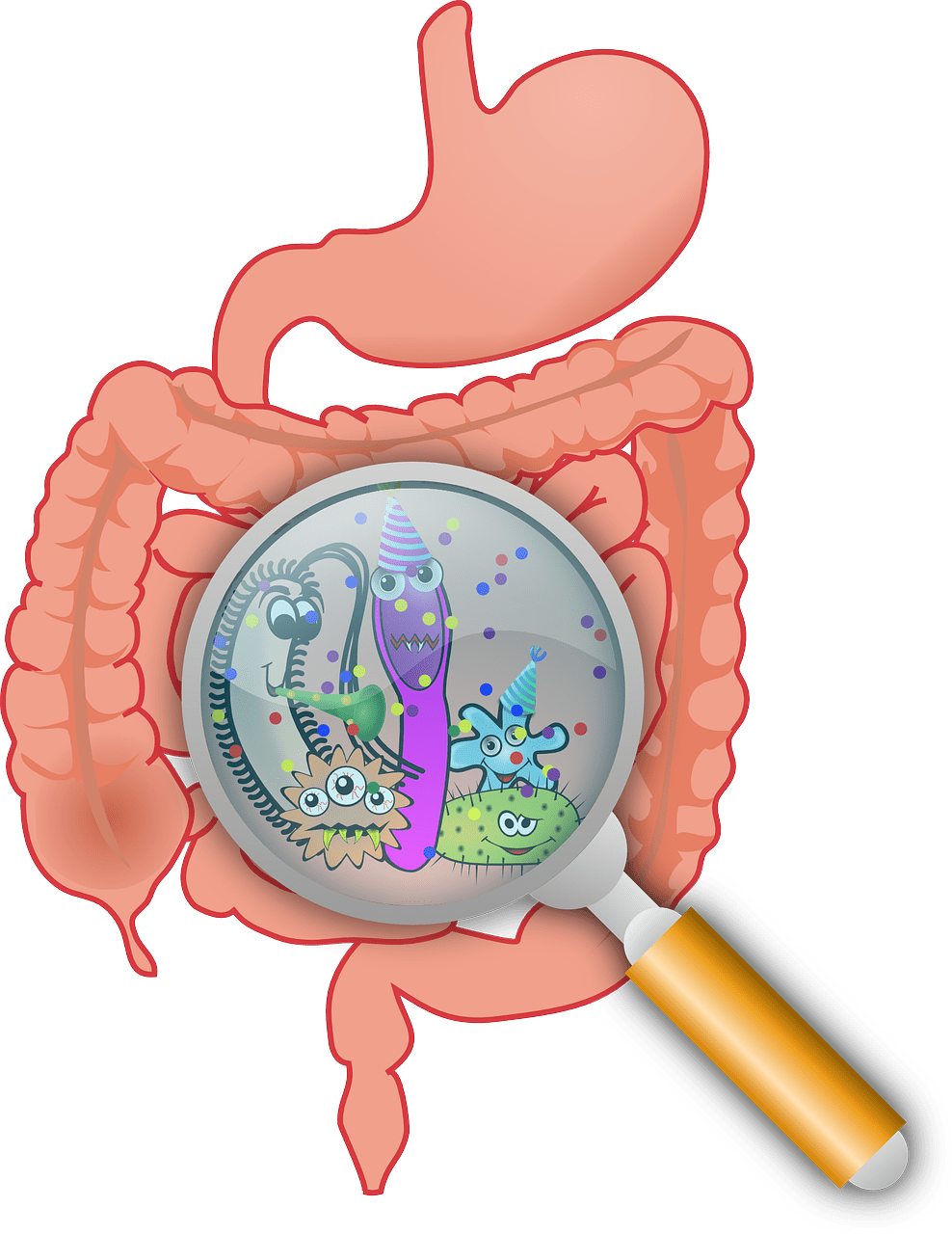
In addition to fiber, it is also essential to consume probiotic-rich foods. Probiotics are beneficial bacteria that can improve digestion and promote a healthy gut. Foods like yogurt, kefir, sauerkraut, and kimchi are excellent sources of probiotics. Including these foods in your diet can help maintain a healthy balance of gut bacteria.
On the other hand, it is important to limit processed and sugary foods. These foods can disrupt the natural balance of bacteria in your gut and lead to digestive issues. Instead, focus on whole foods that are rich in nutrients and avoid processed foods that are high in unhealthy fats, sugar, and artificial ingredients.
Lastly, drinking plenty of water is essential for proper digestion and maintaining a healthy gut. Water helps soften stools, prevent constipation, and flush out toxins from your body. Aim to drink at least 8 cups of water a day, and even more if you are physically active or live in a hot climate. Stay hydrated to keep your digestive system functioning smoothly.
Manage Stress Levels
Stress can have a negative impact on your digestive system. It can cause symptoms like indigestion, stomachaches, and changes in bowel movements. Therefore, managing stress levels is crucial for maintaining a healthy gut and digestive system.
Practice relaxation techniques like deep breathing exercises, meditation, or yoga to help reduce stress. These techniques can help calm your mind and relax your body, which in turn can improve digestion.
Engaging in regular physical activity is another effective way to manage stress. Exercise releases endorphins, which are natural mood boosters, and can help reduce stress levels. Find activities that you enjoy, such as walking, swimming, dancing, or cycling. Aim for at least 30 minutes of moderate-intensity exercise most days of the week.
Additionally, getting enough sleep is important for overall health, including your digestive system. Lack of sleep can increase stress levels and disrupt the functioning of your gut. Aim for 7-8 hours of quality sleep each night to help maintain a healthy gut and digestive system.

Exercise Regularly
Regular exercise is not only important for your overall health but also for your digestive system. It can help promote regular bowel movements, reduce the risk of constipation, and improve digestion.
When choosing activities, it is important to pick ones that you enjoy. This will increase the likelihood that you will stick with them in the long run. Whether it’s going for a walk, dancing, swimming, or playing a sport, find something that brings you joy and makes you want to be active.
It is also important to include both cardiovascular and strength-training exercises in your routine. Cardiovascular exercises like walking, jogging, or biking can improve blood flow to the digestive organs, promoting healthy digestion. On the other hand, strength-training exercises like weightlifting or resistance training can help build and maintain muscle mass, which is important for a healthy metabolism.
Maintaining an active lifestyle throughout the day is equally important. Look for opportunities to move more, such as taking the stairs instead of the elevator, walking or biking instead of driving short distances, and finding activities that require physical effort. Remember, every little bit of activity adds up and contributes to a healthier gut and digestive system.
Avoid Excessive Alcohol Consumption
While moderate alcohol consumption is generally considered safe for most adults, excessive alcohol consumption can have a negative impact on your gut and digestive system. It can irritate the lining of your stomach, lead to inflammation in the digestive tract, and disrupt the balance of bacteria in your gut.
To maintain a healthy gut, it is important to drink alcohol in moderation. This means limiting your intake to no more than one drink per day for women and up to two drinks per day for men. It is also essential to avoid binge drinking and heavy alcohol intake, as these can cause severe damage to your digestive system.
If you find it difficult to control your alcohol consumption, it may be beneficial to seek professional help. There are many resources available, such as counseling services and support groups, that can provide guidance and support during your journey towards reducing or quitting alcohol.
Replacing smoking with healthier habits is also important for maintaining a healthy gut and digestive system. Smoking not only increases the risk of various health conditions, but it can also disrupt the normal functioning of your digestive system.
Seeking professional help, such as counseling or medication, can greatly increase your chances of successfully quitting smoking. Support groups can also provide an invaluable source of encouragement and guidance from others who are going through a similar journey.
Additionally, it can be helpful to replace smoking with healthier habits. For example, instead of reaching for a cigarette when you feel the urge to smoke, try engaging in activities that distract you from the craving, such as taking a walk, having a healthy snack, or practicing deep breathing exercises. Over time, these healthier habits will become second nature, and you will no longer rely on smoking to cope with stress or other triggers.
Get Regular Check-Ups
Regular check-ups with your healthcare provider are essential for maintaining a healthy gut and digestive system. These visits allow your doctor to monitor your overall health, identify any potential issues, and address them promptly.
During routine visits, your healthcare provider can perform screening tests for digestive health conditions. These tests may include colonoscopies, stool tests, or blood tests to check for any signs of gastrointestinal issues like colorectal cancer, celiac disease, or inflammatory bowel disease. Early detection is key in successfully treating these conditions, so it is important not to skip your routine check-ups.
If you are experiencing any digestive symptoms or concerns, it is crucial to address them promptly. Don’t ignore persistent pain, changes in bowel movements, unexplained weight loss, or any other symptoms that are out of the ordinary. Your healthcare provider can help determine the underlying cause and provide appropriate treatment or refer you to a specialist if necessary.
Stay Hydrated
Staying adequately hydrated is important for maintaining a healthy gut and digestive system. Water plays a crucial role in digestion, as it helps break down food, promotes regular bowel movements, and prevents constipation.
To stay hydrated, aim to drink an adequate amount of water each day. The amount of water you need may vary depending on factors like your age, activity level, and overall health. As a general guideline, aim for at least 8 cups or 64 ounces of water per day. Increase your intake if you are physically active or live in a hot climate.
In addition to drinking water, you can also include hydrating foods in your diet. Foods like cucumbers, watermelon, oranges, and spinach have high water content and can contribute to your overall hydration levels. Including these foods can help ensure that you are getting enough fluids to support a healthy gut and digestive system.
While it is important to stay hydrated, it is equally important to avoid excessive caffeine and alcohol consumption. These beverages can have a diuretic effect, meaning they can increase urine production and potentially lead to dehydration. Limit your intake of caffeinated beverages like coffee, tea, and soda, and drink alcohol in moderation to maintain a healthy balance of fluids in your body.

Limit Antibiotic Use
While antibiotics can be life-saving medications, overuse or misuse of antibiotics can disrupt the balance of bacteria in your gut and lead to digestive issues.
It is important to take antibiotics only when necessary and as prescribed by your doctor. Follow your doctor’s instructions carefully, including the recommended dosage and duration of treatment. This will help ensure that you are effectively treating the bacterial infection without unnecessary harm to your overall gut health.
Furthermore, consider taking probiotics during and after antibiotic use. Probiotics are beneficial bacteria that can help restore the balance of your gut microbiota. They can be taken in supplement form or consumed through foods like yogurt, kefir, and fermented vegetables. Talk to your doctor or a healthcare professional about the best probiotic options for you and the appropriate dosage.
Maintaining a Healthy Weight
Maintaining a healthy weight is important for overall health, including your gut and digestive system. Excess weight, especially around the abdomen, can increase the risk of various digestive issues, including acid reflux, gastritis, and colorectal cancer.
To maintain a healthy weight, it is important to eat a balanced diet and engage in regular physical activity. A balanced diet includes a variety of nutrient-rich foods, such as fruits, vegetables, whole grains, lean proteins, and healthy fats. Avoid excessive calorie intake from sugary and processed foods, as they can contribute to weight gain.
Regular physical activity is also crucial for maintaining a healthy weight. Engage in activities that you enjoy and that fit your fitness level and abilities. Aim for at least 150 minutes of moderate-intensity aerobic activity, or 75 minutes of vigorous-intensity aerobic activity, per week. Additionally, include strength-training exercises at least twice a week to build and maintain muscle mass, which can help support a healthy metabolism.
Monitoring portion sizes is another important aspect of maintaining a healthy weight. It is easy to overeat, especially when dining out or eating processed foods. Pay attention to portion sizes and listen to your body’s hunger and fullness cues. Eating slowly and mindfully can also help prevent overeating and promote better digestion.
Stay Regular with Bowel Movements
Having regular bowel movements is an important aspect of maintaining a healthy gut and digestive system. Constipation or irregular bowel movements can be uncomfortable and lead to various digestive issues.
To stay regular, it is important to eat a high-fiber diet. Fiber adds bulk to your stool and helps promote regular bowel movements. Include foods like fruits, vegetables, whole grains, and legumes in your diet to increase your fiber intake.
Drinking plenty of water is also essential for maintaining regular bowel movements. Water softens stools and helps prevent constipation. Aim to drink at least 8 cups of water a day, and increase your intake if you are physically active or are drinking caffeine or alcohol, as they can contribute to dehydration.
Regular exercise is another effective way to promote regular bowel movements. Physical activity stimulates the muscles in your digestive tract, helping move food through your system. Aim for at least 30 minutes of moderate-intensity exercise most days of the week to help keep your digestive system functioning smoothly.
Lastly, avoid delaying or ignoring the urge to have a bowel movement. When you feel the need to go, it is important to listen to your body and respond accordingly. Ignoring the urge can lead to stool buildup and constipation. Make time for regular bathroom breaks, and establish a routine that works for you to maintain regular bowel movements.
In conclusion, maintaining a healthy gut and digestive system as you age requires a comprehensive approach that includes a balanced diet, stress management, regular exercise, moderation in alcohol consumption, quitting smoking, regular check-ups, staying hydrated, limiting antibiotic use, maintaining a healthy weight, and staying regular with bowel movements. By following these guidelines, you can support the health of your gut and digestive system and enjoy overall well-being as you age. Remember, it’s never too late to start taking care of your digestive health, and small changes can make a big difference in the long run. So, prioritize your digestive health and make healthy choices to promote a happy gut!