
In this article, you will gain valuable insights into the often overlooked topic of men’s reproductive health. Exploring the various aspects of this subject, we will shed light on important factors such as fertility, sexual health, and overall well-being specifically tailored to men. By understanding the complexities involved and learning about potential issues and preventive measures, you will be equipped with the knowledge to take charge of your reproductive health and lead a fulfilling life. So, let’s delve into this fascinating and essential topic of men’s reproductive health together!
Understanding Male Reproductive System
The male reproductive system is a complex and intricate network of organs and structures that work together to produce and deliver sperm. Understanding the anatomy and functions of the male reproductive system is crucial for maintaining overall reproductive health.
Anatomy of the Male Reproductive System
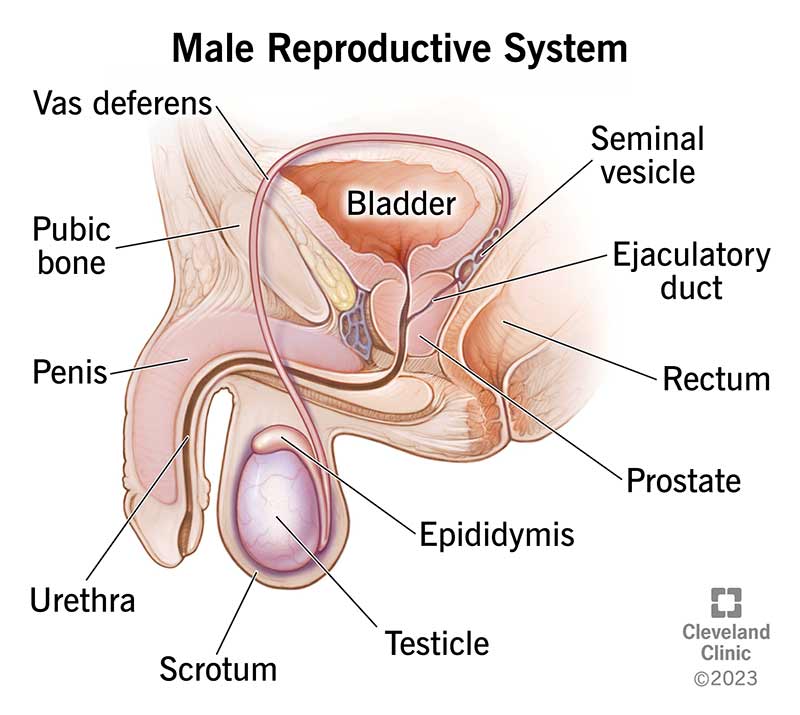
The male reproductive system consists of several key components. The primary organs are the testes, which are responsible for producing sperm and the male sex hormone testosterone. The sperm are then stored in a coiled tube called the epididymis, where they mature and gain the ability to swim. From the epididymis, the sperm travel through a long tube known as the vas deferens and into the urethra, which is the passageway for both urine and semen. The accessory glands, including the seminal vesicles, prostate gland, and bulbourethral glands, produce fluids that nourish and protect the sperm during ejaculation.
Functions of the Male Reproductive System
The male reproductive system serves several important functions. Its primary function is to produce and deliver sperm, which is necessary for fertilization and reproduction. In addition to sperm production, the male reproductive system also plays a role in sexual function and pleasure. The production of testosterone by the testes is crucial for maintaining secondary sexual characteristics, such as facial hair growth and muscle mass. Testosterone also contributes to a man’s libido and overall sexual well-being.
Common Disorders and Diseases
Several disorders and diseases can affect the male reproductive system. Erectile dysfunction is a common condition characterized by difficulty achieving or maintaining an erection. It can have both physical and psychological causes. Infertility is another prevalent issue among men, which can be caused by factors such as low sperm count, structural abnormalities in the reproductive organs, or hormonal imbalances. Sexually transmitted infections, such as chlamydia or gonorrhea, can also impact male reproductive health if left untreated. Regular check-ups and screenings are essential for early detection and treatment of any potential disorders or diseases.

Factors Influencing Male Fertility
Several factors can influence male fertility, and understanding these factors is crucial for maintaining reproductive health.
Age and Fertility
Age can significantly affect male fertility. As men age, the quantity and quality of sperm may decline, making it more challenging to achieve pregnancy. Advanced paternal age is also associated with an increased risk of genetic abnormalities in offspring. It is important for men to be aware of the potential impact of age on fertility and consider family planning accordingly.
Lifestyle Choices and Habits
Lifestyle choices and habits can have a significant impact on male fertility. Factors such as smoking, excessive alcohol consumption, and drug use can all affect sperm production and function. Poor diet, lack of exercise, and excessive stress can also contribute to fertility issues. Making healthy lifestyle choices, such as maintaining a balanced diet, engaging in regular physical activity, and avoiding harmful substances, can help preserve and enhance male fertility.
Medical Conditions Affecting Fertility
Certain medical conditions can also affect male fertility. Conditions such as varicocele (enlarged veins in the scrotum), hormonal imbalances, and genetic disorders can impact sperm production or functioning. Other health issues, including obesity, diabetes, and autoimmune disorders, can also affect reproductive health. Seeking medical advice and treatment for any underlying medical conditions is crucial for maintaining optimal fertility.
Maintaining Men’s Reproductive Health
Maintaining men’s reproductive health involves adopting healthy habits and lifestyle choices that support overall well-being.
Regular Physical Activity and Exercise
Physical activity and exercise play a vital role in maintaining reproductive health. Engaging in regular exercise helps improve blood flow to the reproductive organs, promotes healthy hormonal balance, and reduces the risk of obesity and associated health conditions. Aim for at least 150 minutes of moderate-intensity exercise per week, such as brisk walking, cycling, or swimming.
Healthy Diet and Nutrition
A balanced and nutritious diet is essential for supporting men’s reproductive health. Include a variety of fruits, vegetables, whole grains, lean proteins, and healthy fats in your diet. Certain nutrients, such as zinc, selenium, and vitamin E, are particularly beneficial for sperm production and function. It is also important to stay hydrated and limit the consumption of processed and high-sugar foods.
Avoiding Exposure to Harmful Substances
Exposure to harmful substances can have a detrimental impact on reproductive health. Avoid tobacco smoke, including secondhand smoke, as it can harm sperm quality and reduce fertility. Limit or eliminate alcohol consumption, as excessive alcohol can impair sperm production and function. Additionally, minimize exposure to environmental toxins, such as pesticides and industrial chemicals, which may affect reproductive health. Proper protective measures should be taken if working in environments with potential exposure to harmful substances.
Common Reproductive Health Issues in Men
Several common reproductive health issues can affect men, requiring attention and appropriate management.
Erectile Dysfunction
Erectile dysfunction (ED) is a prevalent condition characterized by the inability to achieve or sustain an erection sufficient for sexual intercourse. Physical causes of ED may include underlying health conditions, such as diabetes or cardiovascular disease, while psychological factors like anxiety or stress can also contribute. Treatment options for ED vary depending on the underlying cause and may include medication, therapy, or lifestyle changes.
Infertility
Infertility refers to the inability to conceive a child after regular, unprotected intercourse for a year or longer. Male infertility can result from issues such as low sperm count, poor sperm motility, or abnormal sperm shape. Causes of infertility can range from hormonal imbalances to structural abnormalities in the reproductive organs. Treatment options for infertility depend on the specific cause and may involve lifestyle changes, medication, surgery, or assisted reproductive techniques.
Sexually Transmitted Infections
Sexually transmitted infections (STIs) can affect men’s reproductive health if left untreated. Common STIs include chlamydia, gonorrhea, syphilis, and human papillomavirus (HPV). Symptoms of STIs may vary but can include pain, discharge, or sores in the genital area. It is crucial to practice safe sex by using condoms and getting tested regularly for STIs. Prompt diagnosis and treatment of STIs are essential to prevent complications and protect both personal and public health.

Understanding Testicular Health
Testicular health is an important aspect of men’s reproductive health, and understanding how to maintain it is vital.
Testicular Self-Exams
Regular testicular self-exams are a simple and effective way to monitor testicular health. By performing monthly self-exams, men can become familiar with the normal size and shape of their testicles, making it easier to detect any changes or abnormalities. Any lumps, swelling, pain, or changes in the texture of the testicles should be promptly reported to a healthcare professional.
Testicular Cancer
Testicular cancer is a relatively rare but potentially serious condition that primarily affects young men. It is essential to be aware of the signs and symptoms of testicular cancer, including a lump or swelling in the testicle, pain or discomfort, and a feeling of heaviness in the scrotum. Early detection and treatment can significantly improve outcomes, so regular self-exams, along with routine check-ups with a healthcare professional, are crucial.
Testosterone Levels
Testosterone, the primary male sex hormone, plays a crucial role in male reproductive health. Low testosterone levels can negatively impact sexual function, mood, energy levels, and muscle mass. Symptoms of low testosterone may include fatigue, decreased sex drive, erectile dysfunction, and mood changes. If experiencing symptoms of low testosterone, it is essential to consult a healthcare professional for a comprehensive evaluation and potential treatment options.
(Continued…)
