You know how important it is to have health insurance, but sometimes navigating the enrollment process can be overwhelming. That’s where advocacy comes in. Advocacy plays a crucial role in helping individuals understand their options, access the right resources, and ultimately enroll in the best health insurance plan for their needs. By providing guidance and support, advocates empower individuals to make informed decisions and ensure that everyone has access to the vital healthcare coverage they deserve. In this article, we will explore the essential role that advocacy plays in health insurance enrollment and its impact on individuals and communities.
Definition of Health Insurance Advocacy
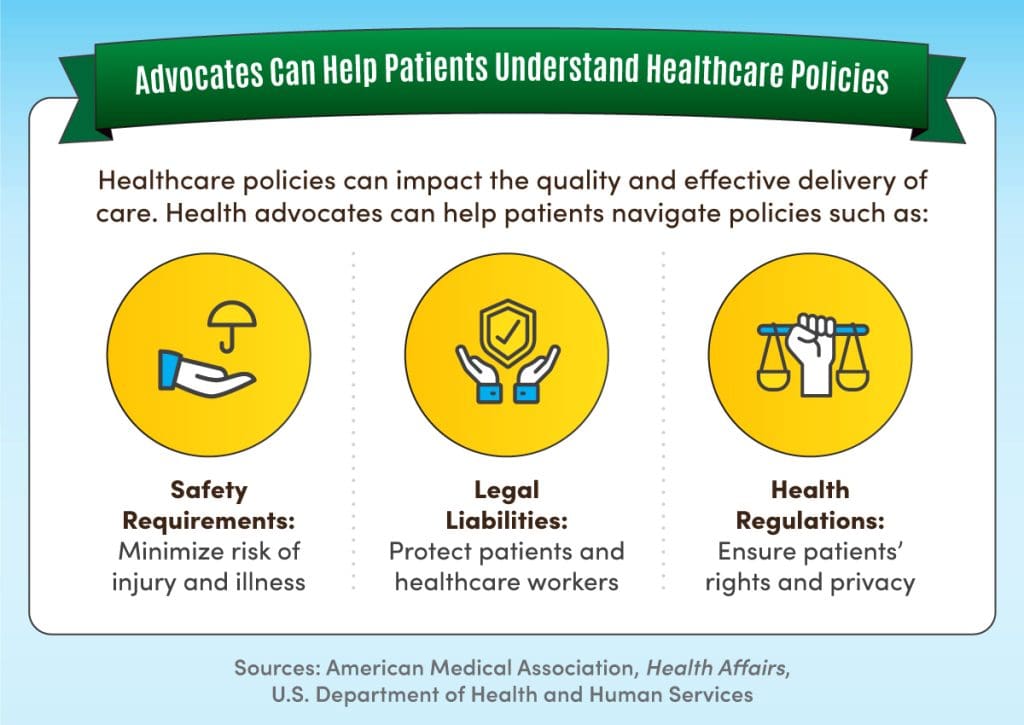
Health insurance advocacy refers to the process of assisting individuals in understanding and navigating the complex world of health insurance. It involves providing support, guidance, and information to individuals to help them make informed decisions about their health insurance enrollment. Health insurance advocates aim to ensure that individuals have access to quality healthcare coverage and understand their rights and protections within the health insurance system.
Advocacy for Health Insurance
Advocacy for health insurance focuses on promoting access to affordable healthcare coverage for individuals. It involves working towards eliminating barriers to enrollment and ensuring that individuals understand their coverage options. Health insurance advocacy also includes addressing issues related to health disparities and ensuring that marginalized communities have equal access to healthcare.
Role of Advocacy in Health Insurance Enrollment
Advocacy plays a crucial role in health insurance enrollment by serving as a bridge between individuals and the complex healthcare system. Health insurance advocates assist individuals in understanding various health insurance plans, guiding them through the enrollment process, and providing them with accurate information about their coverage options. They also educate individuals about their rights and protections, and help them navigate the appeals and grievance process.
Importance of Advocacy in Health Insurance Enrollment
Advocacy is of utmost importance in health insurance enrollment as it helps individuals overcome barriers and challenges they may face throughout the process. By providing assistance, guidance, and clear information, advocacy ensures that individuals fully understand their health insurance options and make informed decisions. Advocacy also helps protect individuals’ rights, reduces health disparities, and promotes higher enrollment rates, ultimately leading to greater consumer satisfaction.
Types of Health Insurance Advocacy
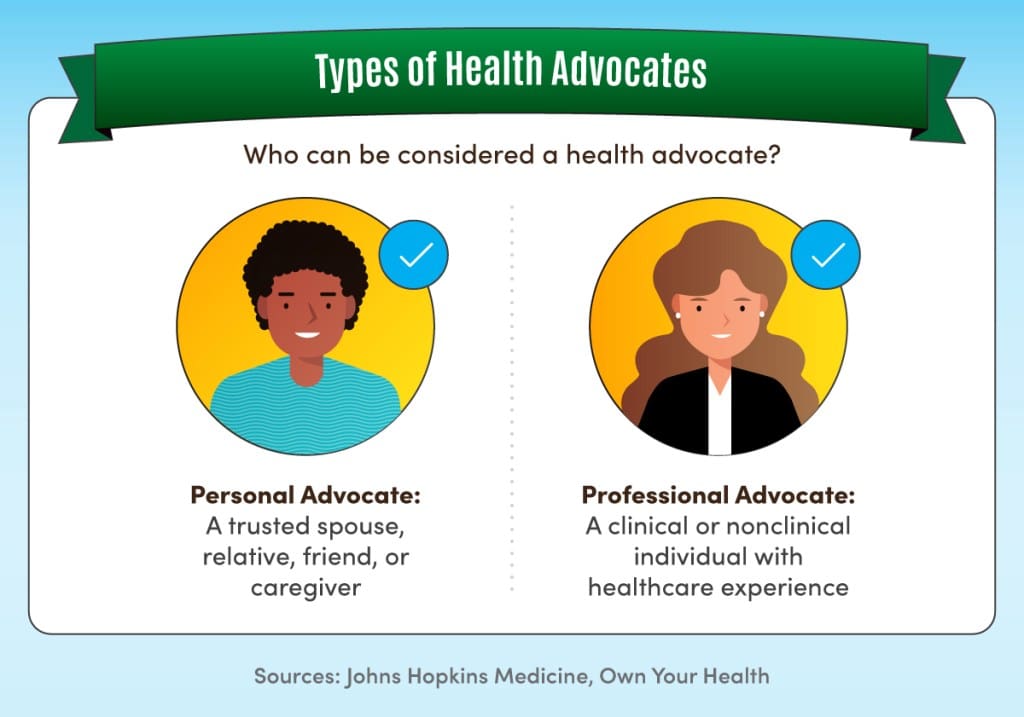
There are three main types of health insurance advocacy: individual advocacy, community advocacy, and organizational advocacy. Each type focuses on different levels of engagement and support for individuals.
Individual Advocacy
Individual advocacy involves one-on-one support provided to individuals in understanding and navigating health insurance enrollment. Health insurance advocates work closely with individuals, addressing their specific needs and concerns. They guide them through the enrollment process, help them understand their coverage options, and offer support in resolving any issues that may arise.
Community Advocacy
Community advocacy takes a broader approach by focusing on advocating for health insurance access and enrollment at the community level. Health insurance advocates engage with community members, organizations, and leaders to increase awareness about health insurance options and resources. They organize community events, workshops, and informational sessions to promote health insurance enrollment and address community-specific challenges.
Organizational Advocacy
Organizational advocacy involves working within healthcare organizations, such as hospitals, clinics, and nonprofits, to ensure that individuals receive the information and support they need during health insurance enrollment. Health insurance advocates collaborate with healthcare providers and staff to streamline the enrollment process, provide accurate information about coverage options, and ensure that individuals are aware of their rights and protections.
Responsibilities of Health Insurance Advocates
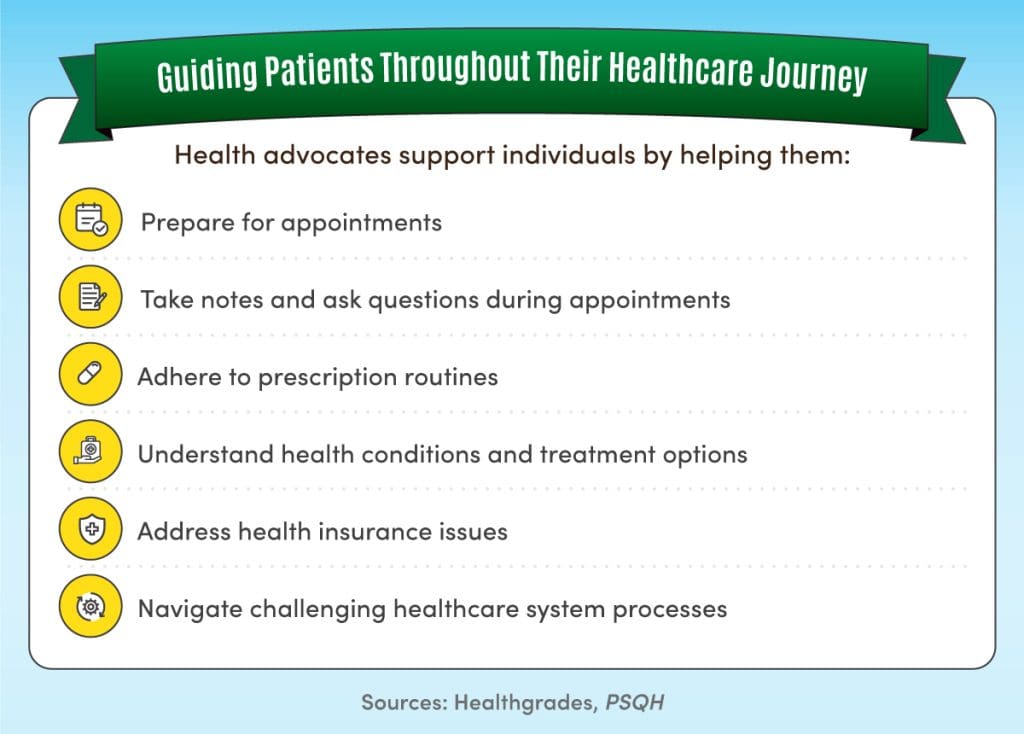
Health insurance advocates have several key responsibilities in assisting individuals during the health insurance enrollment process. Their role goes beyond providing information and extends to supporting individuals throughout the journey.
Assisting Individuals in Understanding Health Insurance Plans
One of the primary responsibilities of health insurance advocates is to help individuals comprehend the complexities of health insurance plans. They explain the various coverage options, including deductibles, copayments, and networks, in a clear and straightforward manner. Advocates also assist individuals in comparing different plans to determine which one best fits their healthcare needs and financial situation.
Guiding Individuals through the Enrollment Process
Health insurance advocates guide individuals step by step through the enrollment process, ensuring that all necessary documentation is completed accurately and on time. They help individuals understand the enrollment timeline, assist with the completion of applications, and address any questions or concerns that may arise along the way. Advocates also simplify the enrollment process by providing guidance on online portals or assisting with paper applications.
Providing Clear and Accurate Information about Coverage Options
Advocates have a crucial role in providing individuals with clear and accurate information about their coverage options. They explain the benefits and limitations of each plan, including networks, prescription drug coverage, and preventive care. Health insurance advocates also educate individuals about additional resources and programs that may be available to them, such as subsidies or Medicaid.
Educating Individuals about their Rights and Protections
Health insurance advocates ensure that individuals are aware of their rights and protections within the health insurance system. They educate individuals about their rights to appeal denials or dispute coverage decisions. Advocates also inform individuals about their privacy rights and protections under the Health Insurance Portability and Accountability Act (HIPAA).
Helping Individuals Navigate the Appeals and Grievance Process
In the event that individuals face denials or challenges with their coverage, health insurance advocates provide support and guidance through the appeals and grievance process. They help individuals understand the steps involved, gather necessary documentation and evidence, and advocate on their behalf to seek resolution. Advocates work closely with individuals to ensure that their concerns are addressed and their rights are upheld.
Challenges Faced by Advocates in Health Insurance Enrollment
Advocates in health insurance enrollment encounter several challenges that can hinder their efforts in assisting individuals. Addressing these challenges is essential to ensure that advocacy remains effective and impactful in increasing health insurance enrollment.
Lack of Awareness and Information
A significant challenge faced by health insurance advocates is the lack of awareness and information among individuals regarding health insurance options. Many individuals are unaware of the enrollment process, available plans, and the financial assistance programs that may be available to them. Advocates must proactively engage in community outreach and education to raise awareness about health insurance enrollment and disseminate accurate information.
Navigating Complex Enrollment Systems
The complexity of health insurance enrollment systems poses a challenge for advocates and individuals alike. The different enrollment platforms, eligibility criteria, and documentation requirements can be overwhelming and confusing. Advocates must be well-versed in navigating these systems and understand the intricacies of enrollment to assist individuals effectively. Simplicity and accessibility in the enrollment process are crucial for enhancing advocacy efforts.
Addressing Language and Cultural Barriers
Language and cultural barriers often hinder individuals’ ability to understand and navigate the health insurance enrollment process. Advocates must be equipped with linguistic and cultural competency skills to effectively communicate with diverse populations. They should be able to provide information in multiple languages and culturally appropriate ways, ensuring that language and cultural differences do not become barriers to enrollment.
Dealing with Limited Resources
Advocates working in health insurance enrollment may face resource limitations, including funding, staffing, and access to technology. Limited resources can impact the reach and effectiveness of advocacy efforts. To overcome this challenge, it is essential to secure adequate funding for advocacy programs, strengthen partnerships with community organizations, and explore innovative solutions, such as leveraging technology, to maximize advocacy impact.
Benefits of Utilizing Advocacy in Health Insurance Enrollment
Utilizing advocacy in health insurance enrollment offers numerous benefits for individuals and the healthcare system as a whole. These benefits demonstrate the essential role of advocacy in promoting access to healthcare coverage and ensuring individuals’ well-being.
Increased Access to Health Insurance
By providing comprehensive support and guidance, health insurance advocacy ensures that individuals have increased access to health insurance. Advocates help individuals overcome barriers, navigate complicated enrollment processes, and connect with available resources. This increased access leads to better healthcare outcomes and a more equitable healthcare system.
Improved Understanding of Health Insurance Plans
Advocacy contributes to improved understanding of health insurance plans among individuals. Through clear and accurate information, advocates empower individuals to make informed decisions about their coverage options. By understanding their plans, individuals can better utilize healthcare services, make cost-effective choices, and take advantage of preventive care options.
Enhanced Protection of Individuals’ Rights
Health insurance advocates play a crucial role in protecting individuals’ rights within the healthcare system. By educating individuals about their rights and assisting them in navigating the appeals and grievance process, advocates ensure that individuals receive the coverage they are entitled to. This enhanced protection safeguards individuals from unjust denials, discriminatory practices, and violations of their privacy rights.
Higher Enrollment Rates
One of the significant benefits of utilizing health insurance advocacy is the increase in enrollment rates. Advocates actively engage individuals, raise awareness, and provide personalized support throughout the enrollment process. This increased engagement and guidance result in higher enrollment rates, leading to a larger population with access to healthcare coverage.
Reduced Health Disparities
Health insurance advocacy plays a pivotal role in reducing health disparities among different populations. Advocates focus on addressing the barriers faced by marginalized communities, including low-income individuals, immigrants, and communities of color. Through targeted outreach, culturally competent services, and language support, advocates help bridge the gap in health insurance access, thereby reducing disparities in healthcare outcomes.
Greater Consumer Satisfaction
The utilization of health insurance advocacy results in greater consumer satisfaction and confidence in the healthcare system. Individuals who receive support and assistance from advocates throughout the enrollment process feel more empowered and supported. This increased satisfaction contributes to better healthcare experiences and positive perceptions of the healthcare system.
Successful Advocacy Strategies for Health Insurance Enrollment
Several successful advocacy strategies have proven effective in promoting health insurance enrollment and supporting individuals throughout the process. These strategies capitalize on community engagement, partnership, technological advancements, and policy advocacy.
Community Outreach Programs and Events
Community outreach programs and events are highly effective in raising awareness about health insurance enrollment and reaching underserved populations. Health insurance advocates organize workshops, seminars, and informational sessions in community centers, schools, and local organizations to provide education and support. These events offer opportunities for individuals to directly interact with advocates and access resources.
Collaboration with Community Organizations and Healthcare Providers
Collaboration with community organizations and healthcare providers is crucial for successful health insurance advocacy. By partnering with community-based organizations, advocates can leverage existing networks and reach individuals who may not be aware of available resources. Collaboration with healthcare providers ensures that individuals receive accurate, up-to-date information during clinical visits or appointments, further enhancing advocacy efforts.
Culturally Competent and Linguistically Appropriate Services
Cultural and linguistic competence is essential in health insurance advocacy. Advocates should be sensitive to cultural practices, beliefs, and languages spoken by the communities they serve. Offering language access services and providing information in culturally appropriate ways ensures that individuals fully understand the processes related to health insurance enrollment. This approach also helps build trust and rapport with individuals.
Use of Technology and Digital Tools
Technology and digital tools have transformed the landscape of health insurance advocacy. Websites, mobile applications, and online portals have made it easier for individuals to access information and enroll in health insurance plans. Health insurance advocates should utilize these technological advancements to provide remote support, offer digital resources, and simplify the enrollment process for individuals who prefer digital platforms.
Policy and System-Level Advocacy
Policy and system-level advocacy are vital strategies in facilitating long-term change and addressing systemic issues related to health insurance enrollment. Health insurance advocates work towards policy development that promotes healthcare access and eliminates barriers to enrollment. They collaborate with policymakers, legislators, and regulatory agencies to advocate for policy changes that increase affordability, simplify processes, and enhance consumer protections.
Role of Government in Supporting Health Insurance Advocacy
The government plays a significant role in supporting health insurance advocacy efforts. Government support is crucial in ensuring the effectiveness and sustainability of advocacy programs and initiatives.
Funding for Advocacy Programs
Government funding is vital for the operation and expansion of health insurance advocacy programs. Adequate funding allows organizations and agencies to hire and train advocates, engage in community outreach, and provide resources and support to individuals during the enrollment process. Government funding can also be used to develop and implement innovative strategies to reach underserved populations.
Policy Development to Promote Advocacy
Governments can play a proactive role in policy development to promote health insurance advocacy. Policies that support outreach efforts, enhance language access services, and streamline enrollment processes can significantly contribute to the success of advocacy programs. By developing policies that prioritize affordability, transparency, and consumer protections, governments can create a supportive environment for health insurance advocates to thrive.
Regulation and Oversight of Health Insurance Enrollment Process
Government regulation and oversight of the health insurance enrollment process ensure fairness, transparency, and consumer protections. By implementing and enforcing regulations, governments can hold health insurance plans accountable for providing accurate information, adhering to enrollment guidelines, and addressing individuals’ concerns. Regulation and oversight create a level playing field and promote trust between advocates, individuals, and insurers.
Collaboration with Advocacy Organizations
Collaboration between the government and advocacy organizations is crucial for a comprehensive and coordinated approach to health insurance enrollment. Governments can partner with advocacy organizations to share resources, knowledge, and expertise. This collaboration ensures that government initiatives align with the needs and priorities of individuals, and that advocacy efforts are supported by government policies and programs.
Case Studies of Successful Advocacy Programs
Several case studies demonstrate the effectiveness of health insurance advocacy programs in promoting enrollment and assisting individuals throughout the process. These case studies highlight the impact of advocacy initiatives at the state, nonprofit, and public-private partnership levels.
State-Level Health Insurance Advocacy Programs
States have implemented successful health insurance advocacy programs to ensure widespread enrollment and support for individuals. For example, California’s Covered California program has a strong advocacy component that includes community-based enrollment assistance, language support, and targeted outreach to underserved populations. This program has resulted in millions of Californians gaining access to health insurance coverage.
Non-Profit Organizations Promoting Health Insurance Enrollment
Non-profit organizations play a critical role in health insurance advocacy, particularly for underserved populations. For instance, Enroll America is a non-profit organization that has successfully utilized community partnerships, technology, and targeted outreach to promote health insurance enrollment and increase access to coverage. Their efforts have contributed to substantial enrollment gains and improved healthcare access.
Public-Private Partnerships for Advocacy
Public-private partnerships have shown promising results in health insurance advocacy. The Get Covered Illinois campaign is an example of a successful partnership between the state government and private organizations to increase health insurance enrollment. Their collaborative efforts included innovative marketing campaigns, community outreach, and enrollment assistance, resulting in significant increases in enrollment rates.
Current Challenges and Future Directions in Health Insurance Advocacy
While health insurance advocacy has made significant strides in promoting enrollment and supporting individuals, there are still ongoing challenges and opportunities for future development.
Addressing Health Inequities through Advocacy
Health insurance advocacy must continue to address and overcome health inequities faced by marginalized communities. This includes addressing barriers related to income, race, ethnicity, and immigration status. Advocacy efforts should prioritize promoting enrollment among underserved populations and ensuring that all individuals have equal access to affordable healthcare coverage.
Expanding Access to Advocacy Programs
Expanding access to health insurance advocacy programs is essential to reach individuals who may face barriers to enrollment. This includes increasing the number of advocates, expanding linguistic and cultural competency training, and deploying advocates in underserved areas. By enhancing access, advocacy programs can have a greater impact on reducing disparities in health insurance coverage.
Incorporating Technology and Innovation in Advocacy Efforts
Advocacy efforts should continue to embrace technology and innovative solutions to streamline the enrollment process and better reach individuals. This includes leveraging telehealth services, utilizing artificial intelligence to provide personalized support, and improving online platforms for enrollment assistance. Incorporating technology not only increases accessibility but also improves the overall efficiency and effectiveness of advocacy efforts.
Enhancing Advocacy Training and Professional Development
Continuous training and professional development opportunities are crucial for health insurance advocates to stay informed and up-to-date with changes in policies, regulations, and enrollment processes. Advocacy organizations and agencies should invest in training programs, provide ongoing support, and foster a learning environment for advocates to enhance their skills and knowledge. This ensures that advocates are well-prepared to address evolving challenges and effectively support individuals.
Conclusion
Health insurance advocacy plays a vital role in ensuring access to quality healthcare coverage and promoting individuals’ well-being. Advocacy efforts assist individuals throughout the enrollment process, providing guidance, information, and support to make informed decisions. By addressing challenges, promoting awareness, and collaborating with government and community organizations, health insurance advocates contribute to higher enrollment rates, reduced health disparities, and greater consumer satisfaction. The continued need for advocacy support, collaboration, and partnership remains essential to achieve effective and equitable health insurance enrollment for all.