Are you looking to shed those extra pounds and get in shape? Look no further! In this article, we will uncover the science behind fat burning workouts and provide you with all the information you need to achieve your fitness goals. Discover how incorporating these workouts into your routine can help you burn fat more efficiently and effectively. Get ready to kick-start your weight loss journey and transform your body with the power of science!
Understanding Fat Burning
The Basics of Fat Burning
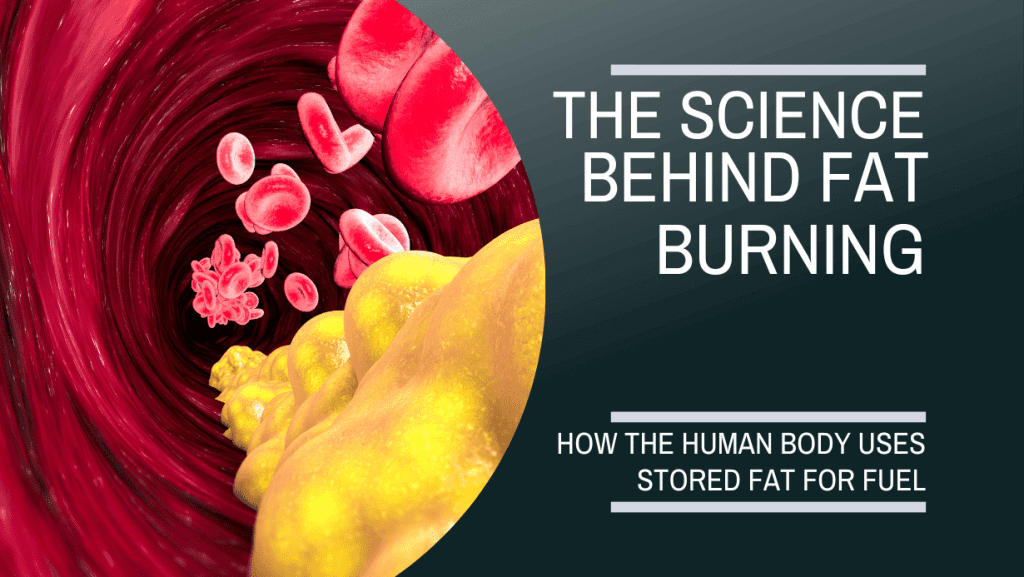
When it comes to burning fat, the process can seem complex, but it’s actually quite simple. Fat burning occurs when your body utilizes stored fat as a source of energy. To understand how this works, it’s important to know that your body constantly requires energy for its daily functions. This energy comes from the food you eat, primarily in the form of carbohydrates and fats. When you consume more calories than your body needs, the excess energy is stored in fat cells. Fat burning happens when your body taps into these stored fat cells to meet its energy requirements.
The Role of Metabolism in Fat Burning
Metabolism plays a crucial role in fat burning. It refers to the chemical processes that occur in your body to convert food into energy. Your metabolic rate determines how fast or slow these processes happen. When your metabolism is high, you burn more calories, including those from stored fat. On the other hand, a slower metabolism means you burn fewer calories. Fortunately, you can boost your metabolism through various strategies, including exercise, proper nutrition, and getting enough sleep.
The Science of Energy Balance
In order to effectively burn fat, it’s important to understand the concept of energy balance. Energy balance refers to the relationship between the calories you consume and the calories you expend. When you consume more calories than you burn, you are in a state of positive energy balance, which leads to weight gain. Conversely, when you burn more calories than you consume, you are in a state of negative energy balance, resulting in weight loss. To achieve fat burning, it is essential to create a calorie deficit by either consuming fewer calories or increasing your physical activity.
The Best Type of Workout for Fat Burning
Cardiovascular Exercises
Cardiovascular exercises, also known as aerobic exercises, are excellent for fat burning. These exercises get your heart rate up and increase your breathing rate, allowing you to burn a significant amount of calories. Examples of cardiovascular exercises include jogging, swimming, cycling, and dancing. Aim for at least 150 minutes of moderate-intensity cardiovascular exercise per week, or 75 minutes of vigorous-intensity exercise, to maximize fat burning.
High-Intensity Interval Training (HIIT)
High-Intensity Interval Training, or HIIT, is a workout method that alternates short bursts of intense exercise with brief recovery periods. HIIT has been shown to be one of the most effective methods for fat burning. This type of workout not only burns calories during the exercise session but also continues to burn calories even after the workout is finished, thanks to the afterburn effect. HIIT can be done with various exercises, such as sprinting, burpees, or jumping jacks, and typically lasts for 20-30 minutes.
Resistance Training
While cardiovascular exercises are great for burning calories, resistance training should not be overlooked when it comes to fat burning. Resistance training builds lean muscle mass, and muscles are more metabolically active than fat. This means that the more muscle you have, the more calories you burn, even at rest. Incorporate resistance training exercises, such as weightlifting or bodyweight exercises, into your routine at least two to three times per week to maximize fat burning and improve overall body composition.
Factors That Affect Fat Burning During Workouts
Intensity of the Workout
The intensity of your workout plays a significant role in fat burning. Higher-intensity workouts tend to burn more calories, including those from stored fat, compared to lower-intensity workouts. Pushing yourself to challenge your limits and working at a level that feels somewhat challenging can help maximize fat burning during your workouts. However, it’s important to listen to your body and gradually increase the intensity to avoid overexertion and injuries.
Duration of the Workout
The duration of your workout also affects fat burning. While longer workout sessions may contribute to more overall calorie expenditure, it’s important to find a balance that works for you. Shorter, more intense workouts like HIIT can be just as effective, or even more so, in burning fat compared to long, steady-state workouts. Focus on finding a workout duration that you enjoy and can sustain consistently in order to achieve optimal fat burning benefits.
The Afterburn Effect
The afterburn effect, also known as excess post-exercise oxygen consumption (EPOC), refers to the increased calorie burn that occurs after an intense workout. High-intensity exercises, like HIIT, create a metabolic disturbance that keeps your body burning calories at an elevated rate even after you’ve finished exercising. This means that you continue to burn fat long after you’ve completed your workout. Incorporating high-intensity exercises into your routine can help maximize the afterburn effect and enhance fat burning.
Optimizing Fat Burning Workouts
Proper Nutrition for Fat Burning
While exercise plays a critical role in fat burning, proper nutrition is equally important. To optimize your fat burning workouts, it’s essential to fuel your body with the right nutrients. Focus on consuming a well-balanced diet that includes lean proteins, whole grains, fruits, vegetables, and healthy fats. Avoid overeating and choose nutrient-dense foods that provide sustained energy throughout the day. Additionally, staying hydrated is crucial for maintaining optimal metabolic function and promoting fat burning.
Incorporating Strength Training
Adding strength training to your workout routine can enhance fat burning. As mentioned earlier, building lean muscle mass through resistance training increases your metabolic rate and allows you to burn more calories, including those from fat, at rest. Aim to include exercises that target all major muscle groups, such as squats, lunges, push-ups, and planks. Gradually increase the intensity and resistance as you become stronger to continue challenging your muscles and boosting fat burning.
Rest and Recovery
Rest and recovery are vital for optimizing fat burning workouts. Giving your body time to recover allows your muscles to repair and rebuild, making them stronger. This, in turn, improves your overall workout performance and maximizes fat burning potential. Aim for 7-9 hours of quality sleep each night and incorporate rest days into your routine. Active recovery activities, such as gentle stretching or a leisurely walk, can also help promote blood circulation and aid in muscle recovery.
Benefits of Fat Burning Workouts
Weight Loss and Body Composition
One of the most sought-after benefits of fat burning workouts is weight loss. By creating a calorie deficit through exercise and proper nutrition, you can effectively shed excess pounds and improve your body composition. Regular fat burning workouts can help reduce body fat percentage, increase lean muscle mass, and sculpt a leaner physique. Remember that sustainable weight loss is achieved through a combination of healthy habits, rather than relying solely on workouts.
Improved Cardiovascular Health
In addition to weight loss, fat burning workouts offer numerous cardiovascular health benefits. Regular cardiovascular exercises can increase your heart health by improving blood circulation, lowering blood pressure, and reducing the risk of heart diseases. As your aerobic fitness improves, you’ll notice increased endurance and stamina, enabling you to engage in daily activities with ease and without feeling winded.
Increased Metabolic Rate
Fat burning workouts can also boost your metabolic rate, resulting in greater calorie expenditure throughout the day, even when you’re not exercising. In addition to the calories burned during your workout, your body continues to burn calories at a higher rate as it recovers and repairs muscles post-exercise. This increased metabolic rate supports fat burning and can aid in maintaining a healthy weight in the long run.
Common Myths About Fat Burning
Spot Reduction of Fat
One common myth about fat burning is the idea of spot reduction, which suggests that you can target fat loss in specific areas of your body. Unfortunately, spot reduction is not scientifically supported. When you engage in fat burning workouts, your body will naturally burn fat from all areas, not just the specific muscles being worked. To achieve overall fat loss, it’s important to focus on creating a calorie deficit through a combination of exercise and proper nutrition.
The Fat Burning Zone Myth
Another popular myth is the idea that staying within a specific heart rate zone, known as the fat burning zone, is the most effective way to burn fat. While it is true that exercising at a lower intensity primarily uses fat as a fuel source, higher-intensity workouts, such as HIIT, actually result in a greater overall calorie burn. It’s important to remember that fat loss occurs when you burn more calories than you consume, regardless of the specific heart rate zone you’re in during your workout.
Importance of Nutrition Over Exercise
Some people believe that exercise alone is enough to achieve fat burning and weight loss. While exercise is crucial, it must be combined with proper nutrition for optimal results. You can’t out-exercise a poor diet. Nutrition plays a fundamental role in achieving a calorie deficit and providing your body with the necessary nutrients for fat burning and overall health. It’s essential to strike a balance between exercise and nutrition to achieve sustainable fat loss and maintain a healthy lifestyle.
The Role of Genetics in Fat Burning
Genetic Predisposition to Fat Storage
Genetics can influence how and where your body stores fat. Some individuals may have a genetic predisposition to store more fat in certain areas, such as the abdomen or thighs. This can make fat burning in these areas more challenging. While you can’t change your genetics, you can still achieve fat loss through a combination of targeted exercises, overall calorie deficit, and a healthy lifestyle.
Influencing Gene Expression Through Exercise
While you can’t change your genetic makeup, research suggests that exercise can influence gene expression related to fat burning. Regular physical activity has been shown to activate genes that promote fat oxidation and increase metabolic rate. This means that even if you have a genetic predisposition to store fat, you can still maximize your fat burning potential through consistent exercise.
Individual Variation in Fat Burning
It’s important to acknowledge that individuals vary in their ability to burn fat. Factors such as age, sex, body composition, and overall fitness level can affect how efficiently your body burns fat during workouts. Additionally, everyone responds differently to different types of exercise. While some individuals may experience rapid fat burning, others may see more gradual progress. It’s essential to focus on your own journey and listen to your body’s needs and signals.
Tracking Fat Burning Progress
Body Measurements
Tracking your body measurements can be a useful way to monitor your fat burning progress. Measurements like waist circumference, hip circumference, and body fat percentage can provide valuable insights into changes in your body composition. It’s important to note that the number on the scale may not always reflect fat loss accurately, as it can also be influenced by factors like water retention and muscle gain. Taking regular measurements and comparing them over time can help you understand how your body is responding to your fat burning workouts.
Body Composition Analysis
Body composition analysis is another method to track your fat burning progress. This analysis provides a detailed breakdown of your body’s composition, including muscle mass, fat mass, and bone density. Various methods, such as dual-energy X-ray absorptiometry (DXA) scans or bioelectrical impedance analysis (BIA), can be used to assess body composition. While these analyses are more accurate than simple body measurements, they may not be necessary for everyone. Consulting with a healthcare professional or certified trainer can help you determine the best tracking method for your individual needs.
Tracking Workouts and Progression
Keeping a record of your workouts and tracking your progression can provide motivation and insights into your fat burning journey. By recording the type of workouts, duration, intensity, and even the number of repetitions or weights used, you can monitor your progress over time. This allows you to set realistic goals, challenge yourself, and make adjustments to your workout routine as needed. Additionally, tracking your workout performance can help you identify patterns and see how your body responds to different exercises, ultimately optimizing your fat burning efforts.
Safety Considerations for Fat Burning Workouts
Proper Warm-up and Cool-down
Before starting any fat burning workout, it’s important to warm up your body to prepare for the physical exertion to come. A warm-up should include dynamic stretching, light cardio exercises, or mobility exercises to increase blood flow, loosen muscles, and prevent injuries. Similarly, a cool-down routine is crucial to gradually lower your heart rate, stretch out your muscles, and aid in recovery. Prioritizing proper warm-up and cool-down techniques can help prevent muscle strains, joint injuries, and other workout-related issues.
Avoiding Overtraining and Injury
While it’s important to push yourself during fat burning workouts, it’s equally important to listen to your body and avoid overtraining. Overtraining can lead to injuries, decreased performance, and burnout. It’s crucial to allow for proper rest and recovery between workouts to give your body time to repair and rebuild. Pay attention to any signs of fatigue, excessive soreness, or persistent pain, and adjust your workout routine accordingly. If you’re new to exercise or have any underlying health conditions, consulting with a healthcare professional or certified trainer is recommended.
Seeking Professional Guidance
If you’re unsure about how to design a safe and effective fat burning workout routine, seeking professional guidance can be beneficial. A certified personal trainer or fitness instructor can provide you with expert advice, tailor workouts to your individual needs, and ensure proper form and technique. They can also help you set realistic goals, track your progress, and motivate you throughout your fat burning journey. Investing in professional guidance can help you maximize the efficiency and safety of your workouts.
Conclusion
Fat burning workouts are an effective way to achieve weight loss, improve body composition, and enhance overall health. By understanding the basics of fat burning, incorporating the right types of workouts, optimizing various factors, and tracking your progress, you can make significant strides towards your fitness goals. Remember to prioritize proper nutrition, rest, and recovery, and always listen to your body. With consistency, dedication, and a balanced approach, you can maximize your fat burning potential and enjoy the many benefits that come with it. So lace up your sneakers, grab a water bottle, and embark on your fat burning journey with confidence!