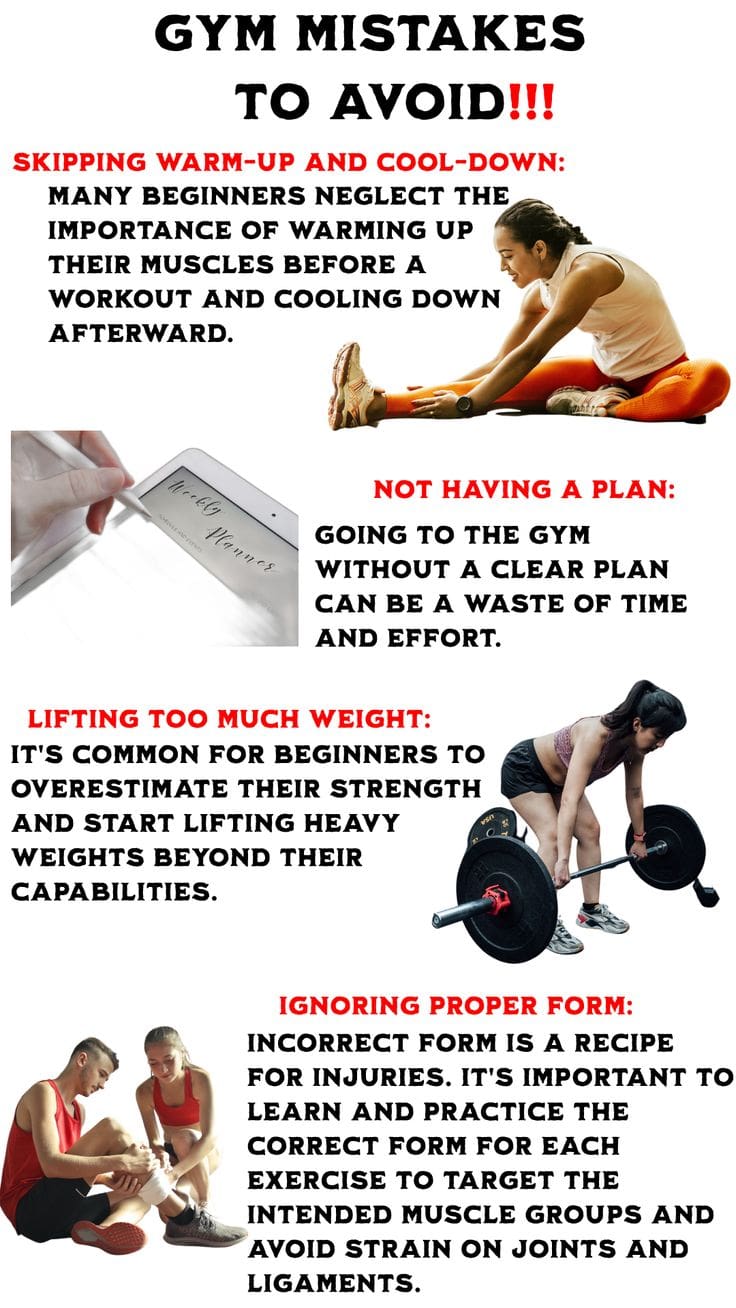
Hey there! Have you ever felt like you’re not seeing the results you want from your workouts? Well, it may be due to some common mistakes in exercise form. In this article, we will explore how perfecting your form can make a big difference in achieving your fitness goals. By avoiding these errors, you’ll not only prevent injury but also maximize the effectiveness of your workouts. Get ready to fine-tune your technique and see those gains! Have you ever experienced discomfort or injury while exercising and wondered if your form may be to blame? In this article, we will discuss common mistakes in exercise form and how you can avoid them to prevent injury and maximize the effectiveness of your workout routine. Let’s dive in!
Importance of Proper Exercise Form
Proper exercise form is crucial for several reasons. Not only does it help prevent injury by ensuring that you are using the correct muscles and joints, but it also maximizes the effectiveness of each repetition, leading to better results in the long run. By focusing on your form, you can target specific muscle groups more effectively, leading to better muscle growth, strength, and endurance.
Why is form so important?
Form is the foundation of any exercise routine. Without proper form, you risk injury and may not be targeting the right muscles. By focusing on your form, you can ensure that you are getting the most out of each exercise and reducing the risk of injury.

Common Mistakes to Avoid
Now that we understand the importance of proper exercise form, let’s dive into some common mistakes that you may be making without even realizing it. By becoming aware of these mistakes, you can make the necessary adjustments to improve your form and get the most out of your workouts.
Using Momentum Instead of Muscles
One common mistake that many people make while exercising is relying on momentum rather than their muscles to perform the movements. This often happens when individuals use excessive swinging or jerking motions to lift or lower weights, rather than using controlled muscle contractions.
When you use momentum to complete an exercise, you are not effectively targeting the intended muscle groups, which can lead to imbalances and potential injury. To avoid this mistake, focus on using slow, controlled movements to engage the muscles fully throughout the entire range of motion.
Not Engaging Core Muscles
Another common mistake is neglecting to engage your core muscles during exercises. Your core muscles, including your abs and lower back, play a crucial role in stabilizing your body during various movements. When you fail to engage these muscles, you are more likely to experience back pain, poor posture, and reduced effectiveness of your workout.
To ensure that you are engaging your core muscles properly, focus on maintaining a strong and stable core throughout each exercise. This will not only help prevent injury but also improve your overall performance and results.
Poor Alignment
Proper alignment is key to performing exercises correctly and safely. Many people overlook the importance of maintaining proper alignment during exercises, which can lead to strain on joints, muscles, and connective tissues.
To avoid poor alignment, pay attention to your body positioning and make adjustments as needed to ensure that you are in the correct alignment for each exercise. This may involve adjusting your stance, grip, or posture to prevent unnecessary strain and promote optimal muscle engagement.

How to Correct Your Form
Now that we have identified some common mistakes in exercise form, let’s explore how you can correct these issues and improve your overall form to enhance the effectiveness of your workouts.
Focus on Mind-Muscle Connection
One of the best ways to improve your exercise form is to develop a strong mind-muscle connection. This involves actively thinking about the specific muscle groups you are targeting while performing each exercise and focusing on engaging and contracting those muscles throughout the movement.
By cultivating a strong mind-muscle connection, you can ensure that you are using the correct muscles and reduce the likelihood of compensatory movements that can lead to injury. This strategy also helps you better understand how your body moves and responds to different exercises, leading to greater control and effectiveness in your workouts.
Practice Proper Breathing Techniques
Proper breathing is essential for maintaining form and maximizing performance during exercise. Many people tend to hold their breath or breathe erratically while working out, which can hinder their ability to perform exercises correctly and efficiently.
To improve your breathing technique, focus on inhaling deeply through your nose before initiating the movement and exhaling slowly through your mouth as you complete the exercise. This controlled breathing pattern helps stabilize your core, oxygenate your muscles, and maintain proper form throughout each repetition.
Start with Lighter Weights
If you are struggling to maintain proper form during exercises, it may be helpful to start with lighter weights until you have mastered the movement patterns. Using excessively heavy weights can compromise your form and increase the risk of injury, so it is important to prioritize technique over weight load.
By starting with lighter weights and gradually increasing the resistance as your form improves, you can build a solid foundation of proper movement patterns and muscle engagement. This approach not only reduces the risk of injury but also ensures that you are targeting the correct muscle groups effectively.
Tips for Avoiding Common Mistakes
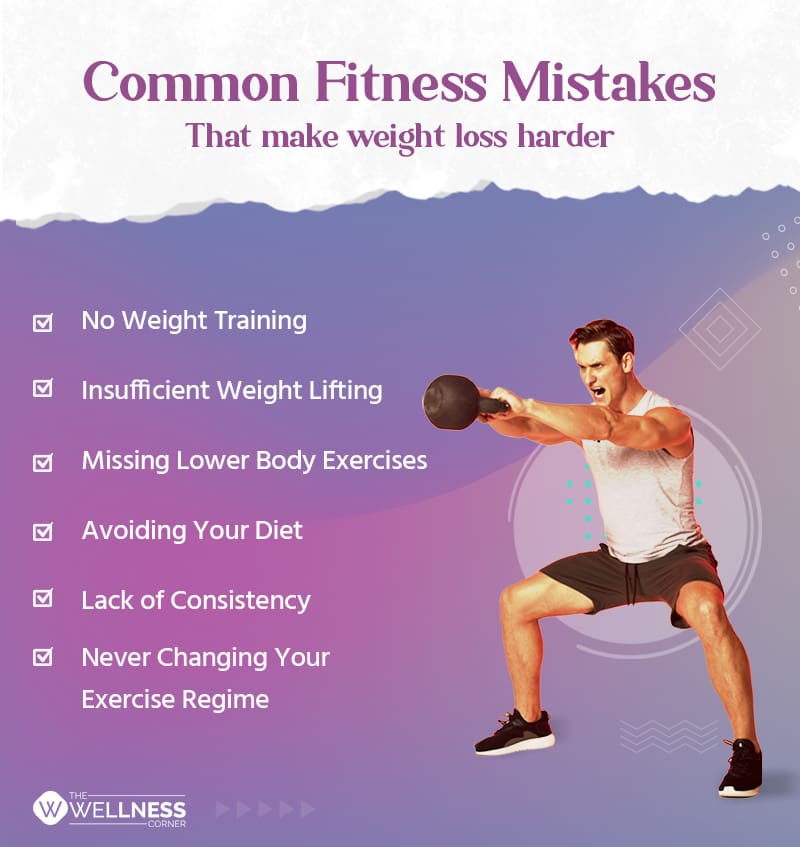
In addition to the strategies mentioned above, there are several other tips that you can implement to avoid common mistakes in exercise form and optimize your workout routine for better results.
Warm Up Properly
Before starting any exercise routine, it is essential to warm up your muscles and joints to prepare them for the upcoming workout. A proper warm-up increases blood flow to the muscles, improves flexibility, and reduces the risk of injury during exercise.
To warm up effectively, include dynamic stretches, light cardio, and mobility exercises in your pre-workout routine. This will help loosen tight muscles, increase range of motion, and enhance muscle activation, ensuring that you are primed and ready to perform each exercise with proper form.
Listen to Your Body
Listening to your body is crucial for avoiding injury and maintaining proper form during exercise. If you experience any pain, discomfort, or unusual sensations while working out, it is essential to stop immediately and assess the situation to prevent further injury.
Ignoring warning signs from your body can lead to serious injury and long-term damage, so it is important to prioritize your health and well-being above all else. If something doesn’t feel right, don’t push through the pain – take a break, reevaluate your form, and make any necessary adjustments to ensure safe and effective exercise.
Seek Professional Guidance
If you are unsure about your exercise form or struggling to correct common mistakes on your own, it may be beneficial to seek professional guidance from a certified personal trainer or fitness instructor. These professionals can assess your form, provide feedback, and offer personalized recommendations to help you improve your technique and achieve your fitness goals.
Working with a knowledgeable and experienced fitness professional can help you learn proper exercise form, identify areas for improvement, and develop a customized workout plan that aligns with your needs and objectives. By investing in professional guidance, you can expedite your progress, prevent injury, and maximize the effectiveness of your workouts.
Record Yourself
Recording yourself while performing exercises can be a valuable tool for improving your exercise form and identifying areas for correction. By reviewing video footage of your workouts, you can observe your form, posture, and technique from different angles, allowing you to pinpoint any mistakes or inefficiencies that may be hindering your progress.
When recording yourself, focus on key areas such as body alignment, range of motion, and muscle activation to determine where adjustments may be needed. You can also compare your form to instructional videos or demonstrations to ensure that you are performing exercises correctly and effectively.

Conclusion
In conclusion, proper exercise form is essential for maximizing the effectiveness of your workouts, preventing injury, and achieving your fitness goals. By avoiding common mistakes in exercise form and implementing the strategies outlined in this article, you can improve your technique, enhance muscle engagement, and optimize your workout routine for better results.
Remember to focus on developing a strong mind-muscle connection, practicing proper breathing techniques, starting with lighter weights, and implementing tips for avoiding common mistakes to enhance your exercise form. By prioritizing form over weight load, listening to your body, seeking professional guidance, and recording yourself, you can take proactive steps to improve your form and make the most of your workouts.
So, take the time to assess your exercise form, make necessary adjustments, and stay mindful of your body’s feedback to ensure that you are performing each exercise correctly and safely. With dedication, consistency, and attention to detail, you can avoid common mistakes in exercise form and set yourself up for success on your fitness journey. Happy exercising!