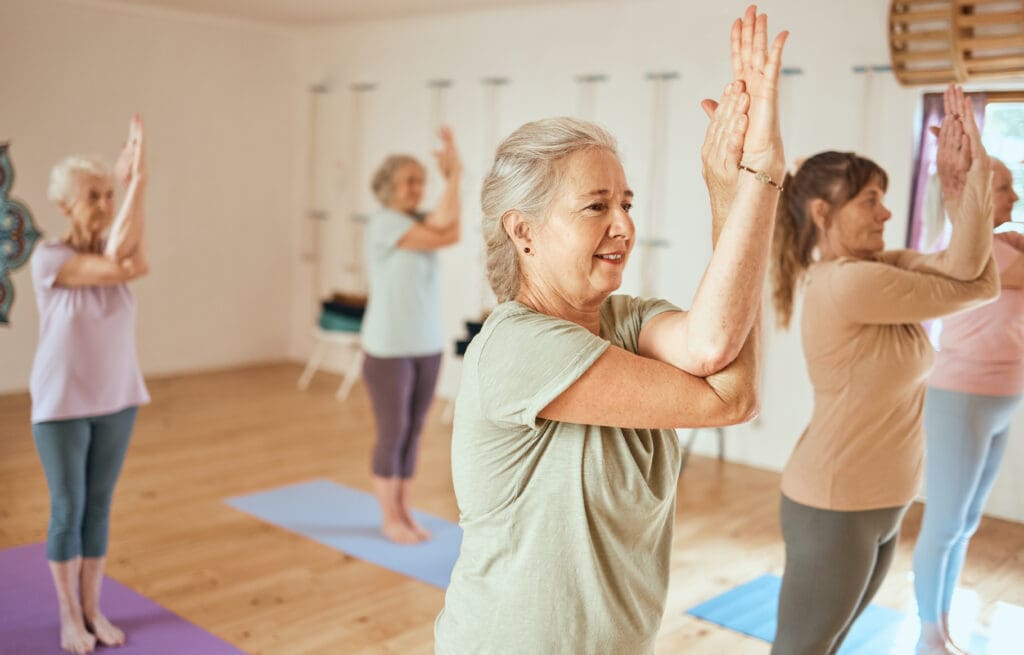
Welcome to our article on the best ways to improve mobility in older adults! As we age, it’s common for mobility to become more challenging, but there are plenty of ways to help maintain and even improve it. From simple exercises to assistive devices, we’ll explore some effective strategies that can help you or your loved one stay active and independent for years to come. So let’s get started on the path to better mobility and overall well-being! Have you been looking for ways to help older adults in your life improve their mobility and quality of life? Mobility is a crucial aspect of independence and overall well-being for seniors. In this article, you will find the best strategies and exercises to enhance mobility in older adults. Let’s explore effective techniques that can make a significant impact on their physical health and overall happiness.

Understanding Mobility in Older Adults
As we age, our bodies go through natural changes that can affect mobility. Muscle strength, joint flexibility, and balance tend to decrease with age, leading to limitations in movement. Understanding these changes is essential to address mobility issues effectively. Remember, mobility is not just about walking; it also involves activities like standing up from a chair, climbing stairs, and bending to pick up items. By recognizing the factors that impact mobility in older adults, you can tailor interventions to meet their specific needs.
What Factors Influence Mobility in Older Adults?
One of the key factors that influence mobility in older adults is age-related muscle loss, known as sarcopenia. This condition leads to a decrease in muscle mass, strength, and function, making it challenging for seniors to perform daily tasks. Joint stiffness and decreased flexibility are also common issues that can hinder mobility. Chronic health conditions like arthritis, osteoporosis, and neurological disorders can further limit movement and affect balance. Environmental factors such as poor lighting, slippery floors, and lack of handrails contribute to falls and mobility challenges in older adults.
Understanding the interplay of these factors is crucial to developing a comprehensive approach to improving mobility in seniors. By addressing physical, psychological, and environmental aspects, you can create a holistic plan that enhances their overall mobility and quality of life.
Benefits of Improved Mobility for Older Adults
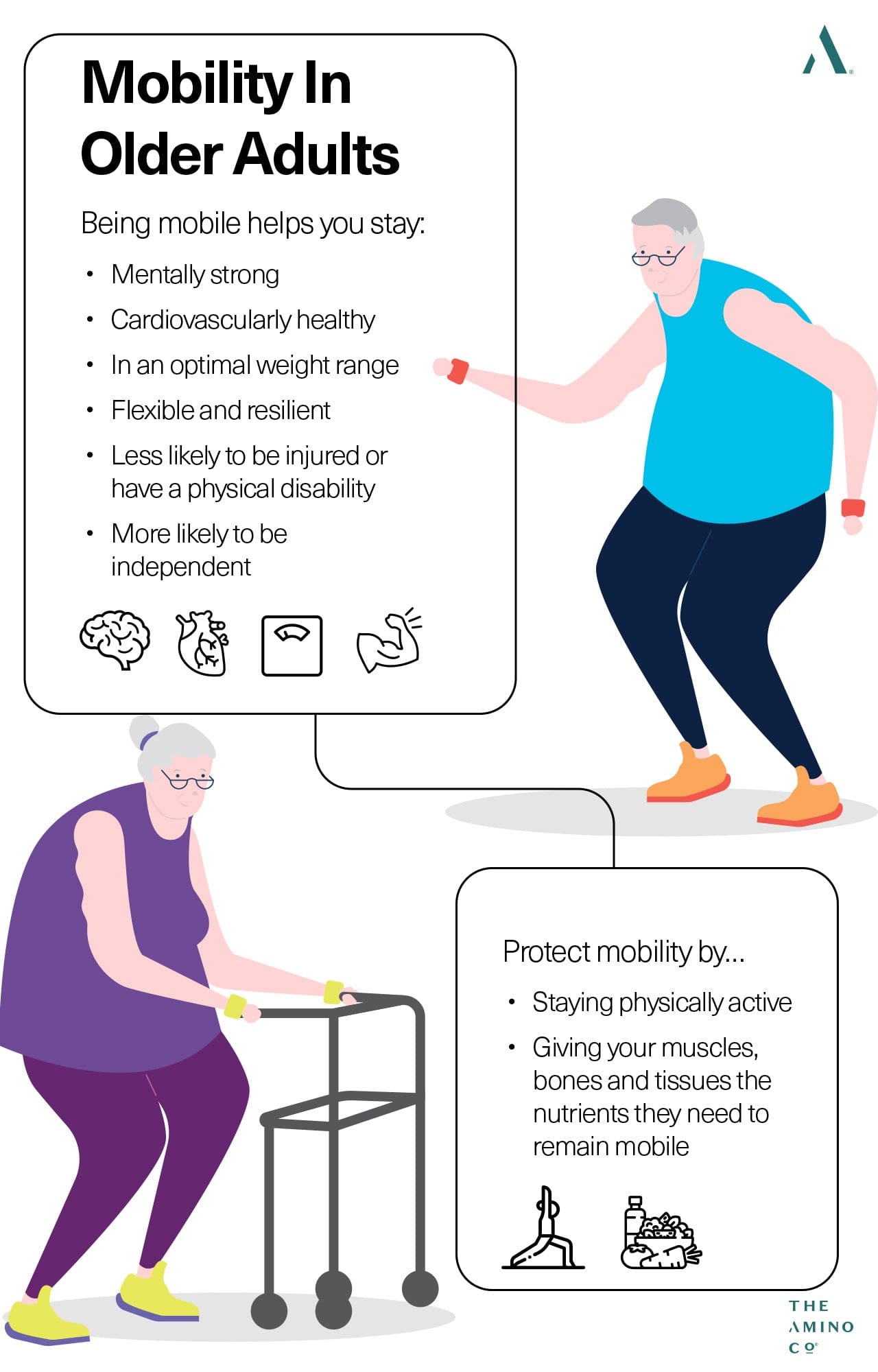
Improved mobility offers a wide range of benefits for older adults, both physically and mentally. Enhancing mobility can help seniors maintain their independence, allowing them to perform daily tasks with ease. By increasing muscle strength and balance, older adults can reduce their risk of falls and injuries, boosting their confidence and sense of security. Improved mobility also promotes social engagement and participation in activities, leading to a more active and fulfilling lifestyle.
How Does Improved Mobility Impact Quality of Life?
Enhanced mobility has a direct impact on the quality of life for older adults. Moving more freely and independently enables seniors to stay connected with their communities and loved ones. It also allows them to engage in hobbies, exercise, and recreational activities, promoting physical and mental well-being. Improved mobility enhances overall health outcomes, reducing the risk of chronic conditions and improving longevity. By focusing on mobility as a key component of aging well, older adults can enjoy a higher quality of life and greater satisfaction in their golden years.
Effective Strategies to Improve Mobility in Older Adults
Now that you understand the importance of mobility for older adults, let’s explore some effective strategies to enhance their movement and flexibility. From simple exercises to lifestyle modifications, these techniques can make a significant difference in the mobility and independence of seniors.
Strength Training for Muscle Health
Strength training is a powerful tool for improving muscle strength and function in older adults. By incorporating resistance exercises into their routine, seniors can increase muscle mass, bone density, and overall strength. Simple exercises like bodyweight squats, lunges, and bicep curls can help older adults build muscle and improve their balance. Strength training not only enhances mobility but also reduces the risk of falls and injuries, promoting long-term independence and well-being.
Flexibility Exercises for Joint Health
Flexibility exercises are essential for maintaining joint health and mobility in older adults. Stretching routines can help seniors improve their range of motion, reduce stiffness, and enhance flexibility. Focus on stretching major muscle groups like the hamstrings, quadriceps, and shoulders to promote overall mobility. Yoga and tai chi are excellent forms of exercise that combine flexibility, strength, and balance training, making them ideal for older adults looking to improve their mobility.
Balance Training for Fall Prevention
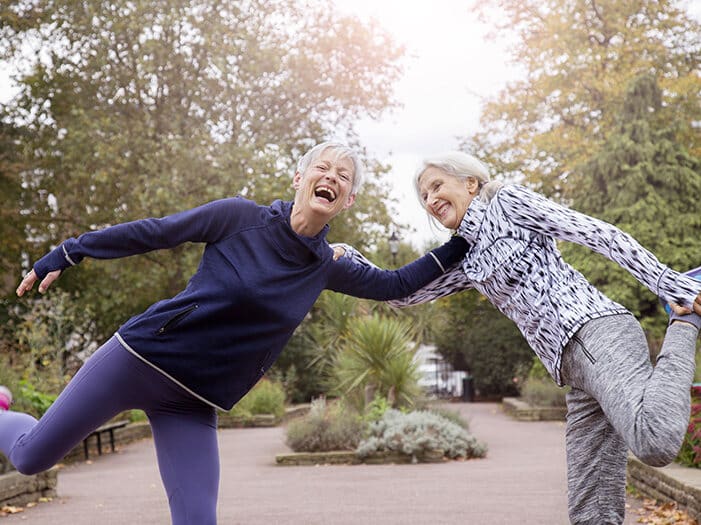
Balance is a critical aspect of mobility that can be improved through targeted exercises and training. Older adults are at a higher risk of falls due to decreased balance and stability. Incorporating balance exercises like standing on one leg, heel-to-toe walks, and heel raises can help seniors enhance their equilibrium and reduce the risk of falls. Balance training also strengthens core muscles, improving posture and coordination. By focusing on balance as part of a comprehensive mobility program, older adults can maintain their independence and reduce the risk of injuries.
Walking and Cardiovascular Exercise for Endurance
Walking is a simple yet effective form of cardiovascular exercise that can improve endurance and overall mobility in older adults. Regular walking routines can help seniors build stamina, increase heart health, and promote circulation. Aim for at least 30 minutes of moderate-intensity walking most days of the week to reap the benefits of this low-impact exercise. As endurance improves, older adults will find it easier to perform daily tasks and activities, enhancing their overall quality of life.
Assistive Devices and Mobility Aids
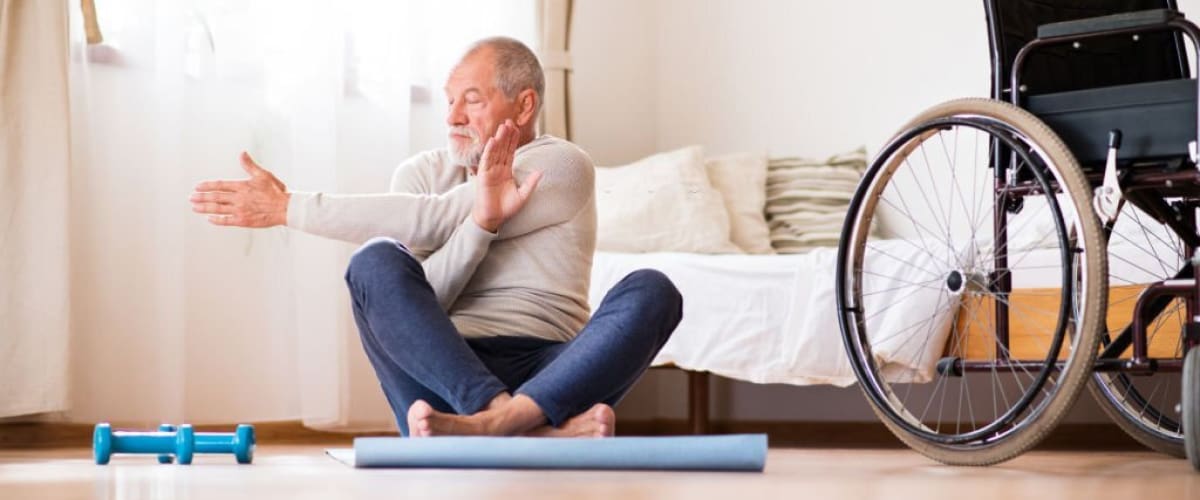
In some cases, older adults may benefit from assistive devices and mobility aids to support their movement and independence. Canes, walkers, and wheelchairs can provide stability and assistance for seniors with mobility challenges. These devices can help older adults navigate their environment safely and maintain their mobility. It’s essential to choose the right assistive device based on individual needs and preferences. By incorporating assistive devices as needed, older adults can enhance their mobility and continue to engage in daily activities with confidence.
Implementing a Personalized Mobility Plan
To create an effective mobility plan for older adults, it’s essential to consider their individual needs, preferences, and capabilities. A personalized approach takes into account factors like current physical condition, health status, and lifestyle to tailor interventions that meet specific goals and objectives. By working closely with a healthcare provider, physical therapist, or fitness professional, you can develop a customized mobility plan that addresses the unique needs of older adults.
Assessing Mobility Needs and Goals
The first step in creating a personalized mobility plan is to assess the individual’s current mobility needs and goals. Conducting a thorough evaluation of their physical abilities, range of motion, and balance can help identify areas for improvement. Discussing lifestyle preferences, interests, and limitations with the older adult can provide valuable insights into designing an effective plan. Set realistic and achievable goals that focus on enhancing mobility, independence, and overall well-being.
Developing a Comprehensive Exercise Program
Once you have identified the mobility needs and goals of the older adult, it’s time to develop a comprehensive exercise program that targets key areas of improvement. Incorporate a mix of strength, flexibility, balance, and cardiovascular exercises to promote overall mobility and function. Emphasize exercises that are safe, effective, and enjoyable for the individual to ensure compliance and long-term success. Gradually progress the intensity and duration of the exercises as the older adult builds strength and confidence.
Creating a Safe and Supportive Environment
Creating a safe and supportive environment is essential for older adults to engage in physical activity and improve their mobility. Ensure that the exercise space is well-lit, free of clutter, and equipped with necessary safety features like handrails and non-slip surfaces. Encourage the use of assistive devices when needed to provide additional support and stability. Monitor the older adult’s progress and adjust the mobility plan as necessary to meet changing needs and capabilities.
Incorporating Lifestyle Modifications
In addition to structured exercise routines, lifestyle modifications play a crucial role in improving mobility in older adults. Encourage healthy habits like proper nutrition, hydration, and adequate rest to support physical activity and recovery. Avoid sedentary behaviors and promote regular movement throughout the day to maintain flexibility and circulation. Encourage social interaction and participation in activities that promote mental and emotional well-being. By incorporating lifestyle modifications into the mobility plan, older adults can achieve sustainable improvements in their overall health and mobility.
Conclusion
Improving mobility in older adults is essential for maintaining independence, preventing injuries, and enhancing quality of life. By understanding the factors that impact mobility, implementing effective strategies like strength training, flexibility exercises, and balance training, and creating a personalized mobility plan, you can help older adults stay active, healthy, and engaged. Remember, mobility is a key component of aging well and enjoying a fulfilling and meaningful life. By taking a proactive approach to mobility, you can empower older adults to live their best lives and thrive in their golden years.