

Are you a woman who is curious about meditation but not sure where to start? Look no further! This Beginner’s Guide to Meditation for Women is designed to provide you with all the information you need to embark on your meditation journey. From the benefits of meditation to different techniques and practices, we’ve got you covered. Whether you’re seeking relaxation, stress relief, or a deeper spiritual connection, this guide will help you navigate the world of meditation with ease. So grab a comfortable cushion, find a quiet space, and let’s begin this transformative journey together.

What is Meditation?
Definition of meditation
Meditation is a practice that involves training the mind to focus on a specific object, thought, or activity to achieve mental clarity, relaxation, and emotional well-being. It is a process of self-discovery and self-awareness that allows you to cultivate a deeper connection with yourself and the present moment. Meditation is not bound by any specific religious or spiritual belief, making it accessible to everyone.
Benefits of meditation
The benefits of meditation are numerous and encompass all aspects of our lives. Physically, meditation can help reduce blood pressure, boost the immune system, and increase energy levels. Mentally, it can enhance concentration, memory, and creativity. Emotionally, meditation promotes stress reduction, emotional stability, and a greater sense of overall happiness. Additionally, meditation has been found to improve sleep quality, enhance self-esteem, and foster personal growth and spiritual development.
Different types of meditation
There are various types of meditation practices, each with its own unique focus and approach. Here are some of the most common types:
-
Mindfulness Meditation: This type of meditation involves being fully present and aware of the current moment without judgment. It encourages the observation of thoughts, emotions, and sensations as they arise and pass.
-
Loving-Kindness Meditation: Also known as Metta meditation, this practice involves generating feelings of love, compassion, and kindness towards oneself and others. It cultivates empathy and fosters positive relationships.
-
Transcendental Meditation: Transcendental Meditation uses a specific mantra or sound to help quiet the mind and access deeper states of consciousness. It is often practiced for 20 minutes, twice a day.
-
Guided Visualization: This form of meditation involves imagining positive and calming scenes or experiences. It utilizes the power of visualization to promote relaxation and mental clarity.
-
Body Scan Meditation: In this practice, attention is directed systematically through different parts of the body, bringing awareness to physical sensations and promoting relaxation and body-mind connection.
-
Zen Meditation: As a traditional form of Buddhist meditation, Zen meditation emphasizes sitting in stillness while focusing on the breath. It aims to achieve insight and enlightenment through deep concentration and self-inquiry.
-
Kundalini Meditation: Kundalini meditation involves the awakening and channeling of spiritual energy, known as Kundalini. It combines breathwork, chanting, and rhythmic movements to stimulate this energy flow.
The wide range of meditation techniques allows individuals to choose the practice that aligns most with their personal preferences and goals. It is important to explore different types and find the one that resonates with you.
Preparing for Meditation
Creating a quiet and peaceful space
To create a conducive environment for meditation, designate a specific area in your home that is free from distractions and clutter. Choose a quiet room or corner where you can create a serene and calming atmosphere. Make sure the space is clean, comfortable, and visually pleasing. You may consider adding elements like candles, incense, or soft lighting to enhance the ambiance and promote a sense of relaxation.
Choosing a comfortable meditation posture
The posture you choose for meditation will greatly influence your ability to stay focused and comfortable. While there is no single “correct” posture, it is important to find a position that allows you to be alert and relaxed. Common meditation postures include:
-
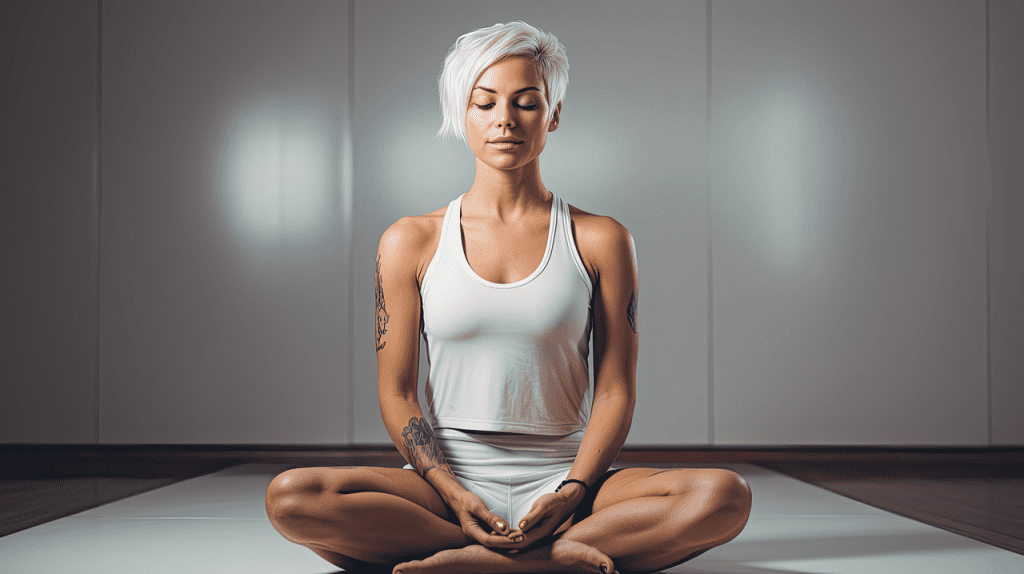
Lotus Position: This classic posture is characterized by sitting cross-legged with your feet resting on the opposite thighs. It promotes stability and grounding.
-
Seated on a Chair: If sitting on the floor is uncomfortable or challenging, you can choose to meditate on a chair with your feet flat on the ground. Ensure that your back is straight and well-supported.
-
Kneeling Position: Kneel on a cushion or mat, with your knees hip-width apart and your buttocks resting on your heels. Place your hands on your thighs or rest them in your lap.
-
Lying Down: Although lying down may increase the chances of falling asleep, it can be a suitable position for deep relaxation practices like Yoga Nidra or body scan meditations.
Experiment with different postures and find the one that allows you to feel both physically at ease and mentally attentive.
Setting a specific time for meditation
Consistency is key when it comes to establishing a regular meditation practice. Choose a time of day that works best for you and commit to it. Finding a routine will make meditation a natural part of your daily life. Whether it’s early morning, during a lunch break, or before bedtime, setting aside a specific time for meditation helps train the mind to be prepared for stillness and introspection. Start with a realistic duration, such as 5-10 minutes, and gradually increase the length as you feel more comfortable and experienced.
Breathing Techniques
Deep belly breathing
Deep belly breathing, also known as diaphragmatic breathing, is a simple yet effective technique to relax the body and calm the mind. To practice deep belly breathing:
- Sit comfortably with your spine straight or lie down on your back.
- Place your hands on your abdomen, just below your rib cage.
- Take a slow, deep breath in through your nose, allowing your abdomen to rise as you fill your lungs with air.
- Exhale slowly through your nose or mouth, gently contracting your abdominal muscles to expel the air.
- Repeat this process for several minutes, focusing on the sensation of the breath moving in and out of your body.
Deep belly breathing helps activate the body’s relaxation response, reducing stress and promoting a sense of inner calm.
Alternate nostril breathing
Alternate nostril breathing, or Nadi Shodhana, is a yogic breathing technique that balances the flow of energy in the body and brings a greater sense of harmony. Here’s how to practice alternate nostril breathing:
- Sit comfortably, with your spine straight and shoulders relaxed.
- Rest your left hand on your left knee, palm facing up.
- Bring your right hand in front of your face, folding your index and middle fingers toward your palm.
- Close your right nostril with your right thumb and inhale deeply through your left nostril.
- Close your left nostril with your ring finger and release your thumb, exhaling slowly through your right nostril.
- Inhale through your right nostril, then close it with your thumb and release your ring finger, exhaling through your left nostril.
- Continue this pattern, alternating between inhaling and exhaling through each nostril, for several minutes.
Practicing alternate nostril breathing helps balance the left and right hemispheres of the brain, promoting mental clarity and relaxation.
Guided meditation for relaxation
Guided meditation is a powerful tool for beginners who may find it challenging to quiet their minds on their own. It involves listening to a recorded audio or following a guided meditation video, where a trained instructor leads you through the process step by step. Guided meditations often incorporate calming music, visualization techniques, and gentle prompts for relaxation. They can be found in the form of mobile apps, websites, or online platforms dedicated to meditation. Exploring different guided meditations allows you to experience various styles and voices, helping you find what resonates best with you.
Finding Focus
Using a mantra or affirmation
Using a mantra or affirmation during meditation can help anchor your focus and quieten the constant chatter of the mind. A mantra is a word, sound, or phrase that is repeated silently or aloud, whereas an affirmation is a positive statement that affirms a quality or intention you wish to cultivate. Choose a mantra or affirmation that resonates with you and feels uplifting. Examples can be “I am calm and centered” or “Peace flows through me.” Repeat your chosen mantra or affirmation throughout your meditation, letting it become a soothing background to your thoughts.
Focusing on the breath
Focusing on the breath is a fundamental technique in meditation that helps develop mindfulness and concentration. Direct your attention to the sensation of the breath as it enters and leaves your body. Notice how the breath feels at the tip of your nostrils, the rise and fall of your chest or abdomen, or the gentle expansion and contraction of your lungs. Whenever your mind wanders, gently bring your focus back to your breath. The breath acts as an anchor, grounding you in the present moment and providing a continuous point of focus.
Visualizing calming scenes
Visualization is a technique that involves creating mental images of peaceful and tranquil scenes. It can be particularly helpful for those who are visual learners. During meditation, choose a scene that holds positive associations for you, such as a serene beach, a lush forest, or a vibrant garden. As you close your eyes, imagine yourself fully immersed in that environment, paying attention to the sensory details—sounds, smells, textures. Visualization helps create a sense of calmness and relaxation by redirecting your focus away from distractions and into a peaceful mental space.
Starting with Mindfulness
Being present in the moment
Mindfulness is the practice of intentionally bringing your attention and awareness to the present moment without judgment. In meditation, it is about fully engaging with the experience by observing the sensations, thoughts, and emotions that arise without trying to change or analyze them. To cultivate mindfulness, ground yourself in the present by using your senses. Notice the sounds around you, the feel of your body against the cushion or chair, and the quality of your breath. Embrace each moment as it unfolds, without dwelling on the past or worrying about the future.
Observing thoughts and emotions without judgment
During meditation, the mind naturally produces thoughts and emotions. Instead of getting caught up in them or judging them as good or bad, try to adopt a nonreactive and nonjudgmental stance. Observe thoughts and emotions as they come and go, allowing them to pass through your awareness without any attachment or aversion. This practice cultivates an attitude of acceptance and detachment, empowering you to develop a deeper understanding of your inner world and the patterns of your mind.
Practicing gratitude
Gratitude is a powerful practice that can enhance our overall well-being and shift our focus towards the positive aspects of life. During meditation, take a few moments to reflect on and express gratitude for the blessings in your life. This can be done silently in your mind or through journaling. As you cultivate a sense of gratitude, you create space for feelings of contentment and appreciation to arise. Gratitude meditation can be particularly beneficial during challenging times when focusing on the positives can bring solace and strength.
Dealing with Distractions
Recognizing and accepting distractions
Distractions are an inherent part of meditation, especially for beginners. The key is to recognize and accept distractions without judgment or frustration. When you notice your attention has wandered, gently acknowledge the distraction and let it go. It could be a noise outside, an itch, or a wandering thought. Remind yourself that distractions are a natural part of the meditation process, and with practice, their power to draw away your focus will diminish.
Gently bringing the focus back to meditation
Once you have acknowledged a distraction, gently guide your attention back to the object of focus, whether it is your breath, a mantra, or a visual image. Be patient and kind with yourself, understanding that the mind takes time to train and become more disciplined. Avoid getting caught up in self-criticism or discouragement if your mind continues to wander. Each time you bring your focus back, it strengthens your ability to stay present and centered.
Using meditation aids like music or candles
If you find it challenging to quiet your mind and maintain focus, using meditation aids can be helpful. Calming music or nature sounds can create a soothing background, masking external noises and promoting relaxation. Lighting candles or using essential oils with relaxing scents like lavender or sandalwood can create a sensory atmosphere that helps facilitate a peaceful state of mind. Experiment with different aids and find what resonates with you, being mindful of not becoming overly reliant on external factors for your meditation practice.
Building a Regular Practice
Starting with short durations and gradually increasing
Consistency is essential when building a meditation practice. Begin by committing to a realistic duration, such as 10 minutes per day. It’s often better to start with shorter sessions that you can fully dedicate yourself to rather than trying to force longer meditations. As you become more comfortable and experienced, gradually increase the duration. Strive for consistency rather than intensity, as a regular practice will yield more significant benefits than sporadic and longer sessions.
Setting realistic goals
Setting realistic goals is important to maintain motivation and prevent feelings of overwhelm or frustration. Remember that meditation is a personal journey, and progress varies for each individual. Instead of solely focusing on achieving specific outcomes or milestones, aim to enjoy the process and cultivate a sense of curiosity and self-discovery. Your meditation practice is unique to you, and progress can be measured by the level of present-moment awareness and inner peace you experience, rather than external achievements.
Finding an accountability partner or group
Finding an accountability partner or joining a meditation group can greatly support your commitment to a regular practice. Share your goals with a trusted friend or family member who is also interested in meditation. Set a schedule to meditate together or check in with each other to share experiences and offer encouragement. Alternatively, consider joining a local meditation group or seeking virtual communities online. Being in a supportive community can provide motivation, guidance, and a sense of connection on your meditation journey.
Exploring Guided Meditations
Using meditation apps or websites
In the digital age, meditation apps and websites have become popular resources for those looking to explore guided meditations. These platforms offer a wide range of guided meditation sessions suited for different preferences and goals. Popular meditation apps like Calm, Headspace, and Insight Timer provide varying lengths and topics, including sleep, stress reduction, and self-compassion. Websites such as YouTube and Spotify also offer a vast collection of guided meditations for free. Find an app or website that resonates with you and explore the diverse options available to deepen your meditation practice.
Following guided meditation recordings or videos
Apart from apps and websites, there are numerous guided meditation recordings and videos available in various formats. These recordings can be accessed through meditation CDs, online platforms, or even borrowed from libraries. Many renowned meditation teachers have released recorded sessions that guide you through different meditation techniques, providing insights and valuable instructions along the way. Listening to these recordings allows you to have a more personalized guidance experience, all at your convenience.
Seeking professional guidance
For individuals seeking a more personalized and in-depth meditation experience, seeking professional guidance can be beneficial. Meditation teachers, coaches, or therapists who specialize in mindfulness and meditation can provide tailored instructions, guidance, and support. They can help address specific challenges or obstacles you may encounter and offer practices catered to your individual needs or goals. Working with a trained professional ensures that you receive expert guidance and resources throughout your meditation journey.
Incorporating Meditation into Daily Life
Finding moments for mini-meditations throughout the day
While dedicated meditation sessions are important, finding moments for mini-meditations throughout the day can significantly enhance your overall well-being and mindfulness. Incorporate short pauses in your daily routine to check in with yourself and come back to the present moment. It may be taking a few mindful breaths before starting a task, savoring a moment of gratitude before a meal, or practicing a mindful walking meditation during a break. These mini-meditations help cultivate mindfulness in everyday activities, promoting a more balanced and centered way of living.
Applying mindfulness to daily activities
Mindfulness can be integrated into various daily activities, even those that may seem mundane or routine. Engage with each task fully by bringing your attention and awareness to the present moment. Whether it’s eating, washing dishes, or walking, notice the sensations, sights, and sounds associated with the activity. Be fully present with each experience, without judgment or attachment. The practice of mindful activities not only enhances your focus and concentration but also brings a new level of engagement and appreciation to the simple joys of life.
Using meditation to manage stress and emotions
One of the most significant benefits of meditation is its ability to help manage stress and emotions. Regular meditation practice can reduce overall stress levels, promote emotional resilience, and improve the regulation of emotions. When faced with challenging situations or intense emotions, take a few moments to bring your awareness to the breath and observe any sensations or thoughts that arise. By cultivating a sense of calm and presence, meditation empowers you to respond to stressors with greater clarity and composure, fostering emotional well-being and inner balance.
Adjusting Meditation for Women
Addressing specific challenges faced by women
Women often face unique challenges that can impact their meditation practice. Hormonal fluctuations, menstrual cycles, pregnancy, and menopause are all factors that can influence mental and emotional states. It is crucial to acknowledge and honor these physiological changes when engaging in meditation. Adjustments may be needed during certain times of the month or throughout different life stages. Practicing self-compassion and self-care becomes essential in creating a supportive and nurturing meditation practice that accommodates the specific challenges faced by women.
Understanding the connection between meditation and hormonal balance
Meditation has been found to positively influence hormonal balance and overall well-being in women. Research shows that regular meditation practice can reduce the symptoms associated with hormonal imbalances, such as mood swings, fatigue, and emotional instability. By reducing stress and promoting relaxation, meditation supports the regulation of hormones, including cortisol, adrenaline, and serotonin. Through regular practice, women may experience improved emotional stability, increased energy levels, and enhanced overall hormonal health.
Exploring meditation techniques for self-care and self-compassion
Self-care and self-compassion are essential components of a well-rounded meditation practice, particularly for women. By including meditation techniques that focus on self-care and self-compassion, women can create a nurturing space where they connect with their inner selves and embrace their unique needs. Practices such as loving-kindness meditation, self-compassion meditation, and body scan meditation can foster a sense of self-love, acceptance, and inner balance. Exploring these techniques allows women to tap into their innate strength and compassion, promoting overall well-being and personal growth.
In conclusion, meditation offers a wide range of benefits for individuals of all backgrounds and walks of life. By understanding the various techniques, creating a supportive environment, and incorporating mindfulness into daily activities, meditation becomes a powerful tool for cultivating inner peace, self-awareness, and emotional well-being. Women can adjust their practice to address specific challenges and embrace self-care and self-compassion, contributing to a holistic approach to meditation and personal growth. Embarking on a meditation journey allows individuals to connect with their true selves, finding balance and harmony amidst the demands of everyday life.