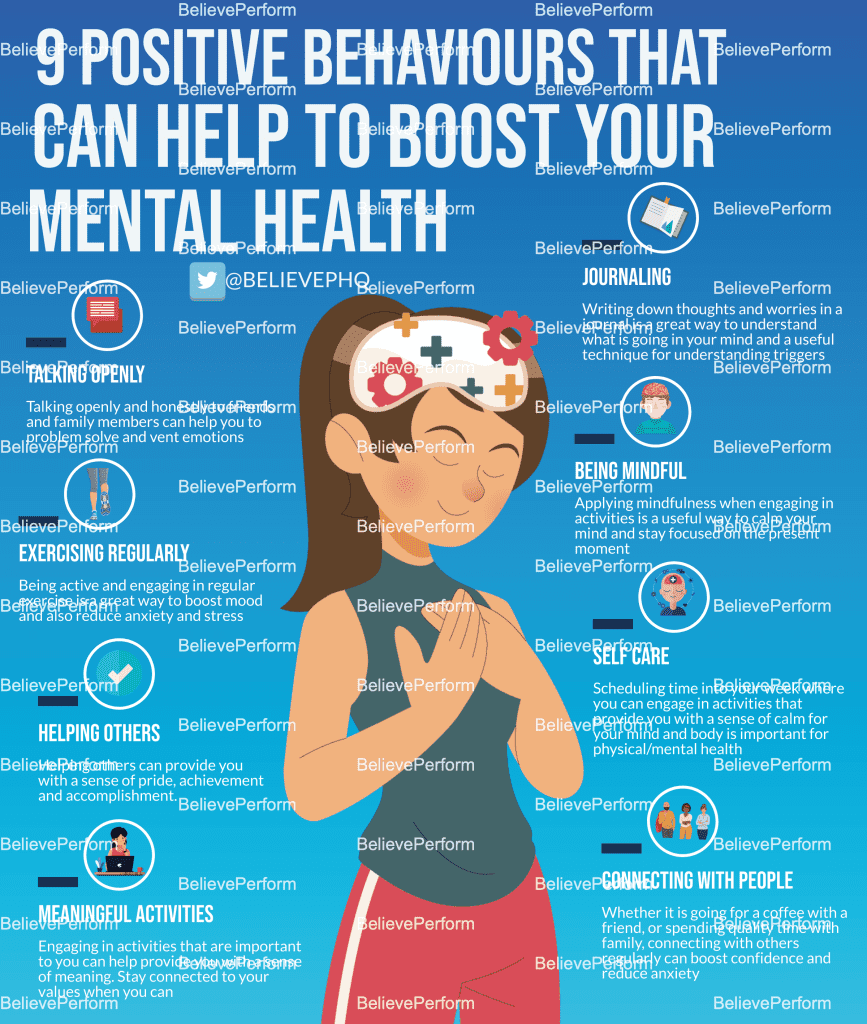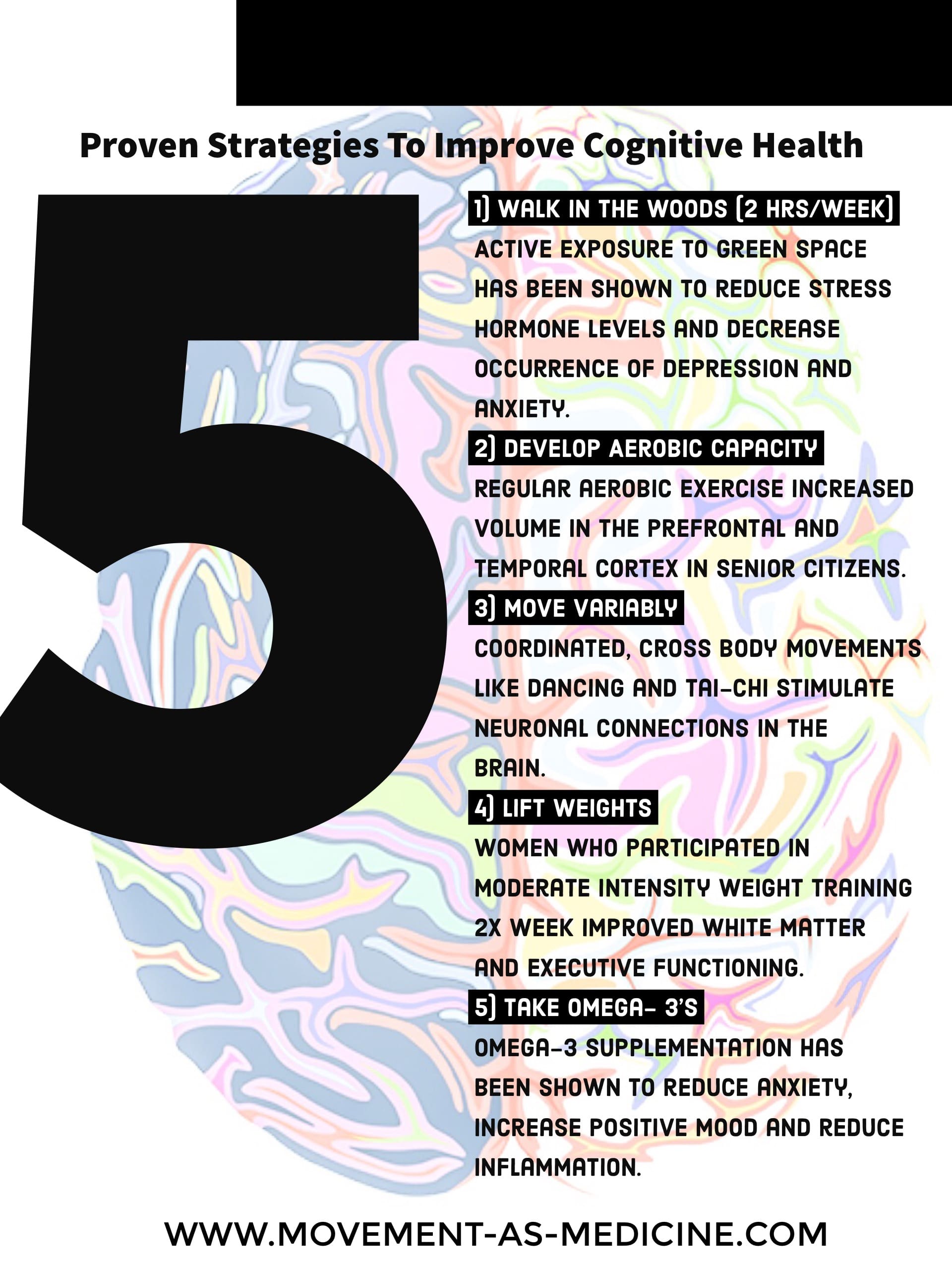
Did you know that there are several simple and effective ways to enhance women’s cognitive health? In this article, we will explore some of the best methods that can help improve your mental clarity, memory, and overall cognitive function. From staying physically active to nourishing your brain with the right nutrients, these practical tips will empower you to optimize your brain health and live your best life. So, let’s dive in and discover the best ways to enhance women’s cognitive health!
Physical Exercise
Cardiovascular Exercises
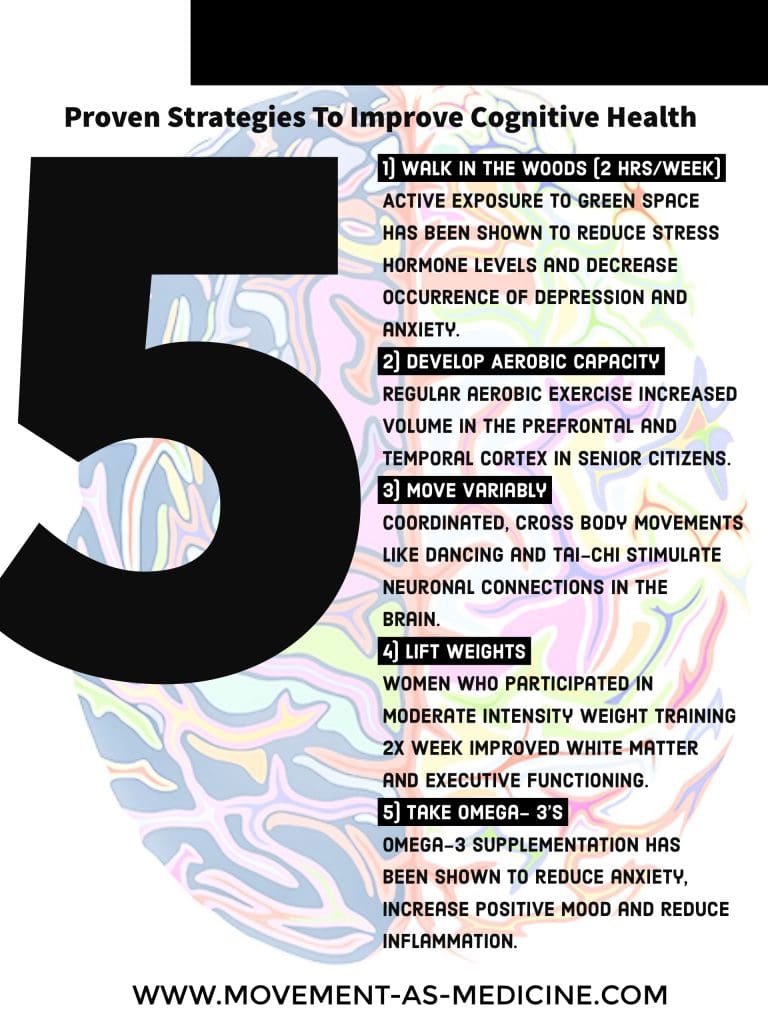
Engaging in cardiovascular exercises is an excellent way to improve and maintain your overall health. Activities such as running, swimming, dancing, or cycling can increase your heart rate and promote the circulatory system’s efficiency. Regular cardiovascular exercise can improve blood flow to the brain, increasing the delivery of oxygen and nutrients. Furthermore, it can stimulate the release of endorphins, also known as “feel-good” hormones, reducing stress and enhancing your mood. Aim for at least 150 minutes of moderate-intensity aerobic activity or 75 minutes of vigorous-intensity aerobic activity per week to reap the benefits.
Strength Training
Incorporating strength training into your exercise routine is vital for maintaining not only physical strength but also cognitive health. Strength training exercises, such as weightlifting or resistance training, help build muscle strength and enhance bone density, reducing the risk of osteoporosis. These exercises also have positive effects on cognitive function. By challenging the muscles and activating neural pathways, strength training can improve memory, attention, and executive functioning. Aim for strength training sessions at least two times per week, focusing on all major muscle groups.
Yoga and Pilates
Yoga and Pilates are fantastic options for enhancing both physical and mental well-being. These practices focus on strength, flexibility, and mindfulness, offering a holistic approach to fitness. Engaging in regular yoga or Pilates sessions can help reduce stress levels and promote relaxation. The mind-body connection emphasized in these practices can improve concentration and alleviate symptoms of anxiety and depression. Additionally, specific yoga poses and movements stimulate blood flow to the brain, enhancing cognition and memory. Consider incorporating yoga or Pilates into your routine to promote overall cognitive health.
Mental Stimulation
Reading Books
Reading books is a fantastic way to keep your mind active and engaged. Whether it’s fiction or non-fiction, reading stimulates the brain and enhances cognitive function. As you follow a story, your imagination is sparked, and you’re transported to different worlds. This mental exercise strengthens neural connections and improves memory, attention, and analytical thinking. Make it a habit to set aside some time each day to immerse yourself in a new book, expanding your knowledge and stimulating your mind.
Puzzles and Brain Games
Challenging puzzles and brain games are excellent tools for enhancing cognitive health. Activities like crossword puzzles, Sudoku, or jigsaw puzzles can improve memory, attention to detail, and problem-solving skills. These stimulating exercises engage different regions of the brain, promoting neuroplasticity and strengthening cognitive abilities. Consider incorporating brain games into your daily routine to keep your mind sharp and your cognitive skills performing at their best.
Learning New Skills
Engaging in continuous learning is a powerful way to enhance cognitive function. Whether you’re interested in playing a musical instrument, learning a new language, or developing a new hobby, acquiring new skills can positively impact your brain health. Learning new skills challenges your brain to form new neural connections and adapt to new information. This process enhances memory, attention, and cognitive flexibility. Embrace a growth mindset and pursue new knowledge and skills to keep your mind active and thriving.
Healthy Diet
Omega-3 Fatty Acids
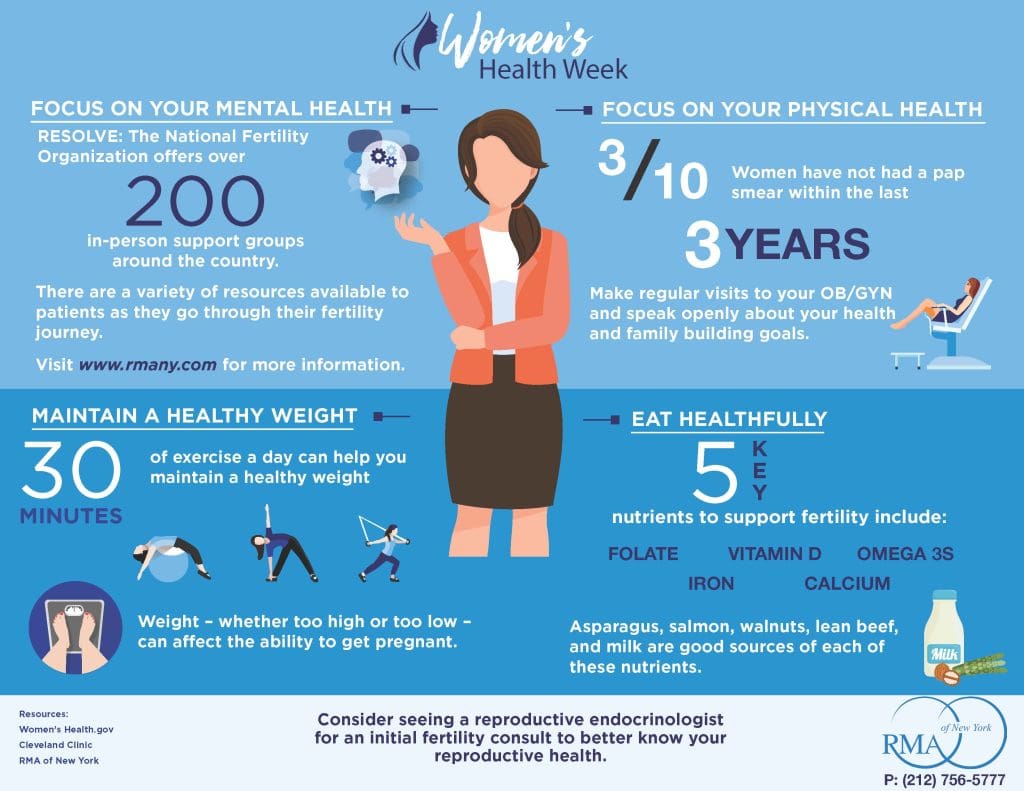
A healthy diet plays a crucial role in maintaining cognitive health. Including omega-3 fatty acids in your diet is particularly beneficial. These essential fats, found in fatty fish like salmon, mackerel, and sardines, as well as flaxseed and walnuts, are known to support brain health. Omega-3 fatty acids help reduce inflammation and promote the growth and development of brain cells. They have been associated with improved memory and reduced cognitive decline. Aim to incorporate these healthy fats into your meals at least twice a week to support your cognitive function.
Antioxidant-Rich Foods
Including antioxidant-rich foods in your diet can also support cognitive health. Antioxidants help protect the cells in your brain from oxidative stress, which can contribute to cognitive decline. Foods such as berries, dark chocolate, spinach, and nuts are excellent sources of antioxidants. These foods can help reduce inflammation and boost brain function. Aim for a colorful and diverse selection of fruits and vegetables to ensure you’re getting a wide range of antioxidants and other essential nutrients.
Balanced Nutrient Intake
Maintaining a balanced nutrient intake is essential for overall well-being, including cognitive health. Ensure you’re consuming a variety of nutrients, including vitamins and minerals, to support brain function. A diet rich in fruits, vegetables, whole grains, lean proteins, and healthy fats provides the necessary nutrients for optimal cognitive function. Additionally, staying hydrated is crucial for maintaining alertness and brain function. Make sure to drink an adequate amount of water throughout the day to support your cognitive health.
Adequate Sleep
Establishing a Bedtime Routine
Getting enough quality sleep is vital for cognitive health. Establishing a consistent bedtime routine can help signal to your body that it’s time to unwind and prepare for sleep. Create a calming routine that includes activities such as reading a book, taking a warm bath, or practicing relaxation techniques. Dimming the lights and avoiding stimulating activities close to bedtime can also help signal to your body that it’s time to wind down.
Creating a Restful Environment
Creating a restful environment in your bedroom can significantly impact the quality of your sleep. Make sure your bedroom is dark, quiet, and at a comfortable temperature. Invest in a comfortable mattress and pillows that provide adequate support. Remove electronic devices and televisions from your bedroom, as blue light exposure can interfere with sleep. Creating a peaceful and clutter-free environment can contribute to a more restorative night’s sleep.
Avoiding Stimulants Before Bed
To promote better sleep, it’s essential to avoid stimulants close to bedtime. Stimulants like caffeine and nicotine can interfere with your ability to fall asleep and stay asleep throughout the night. Avoid consuming coffee, tea, energy drinks, or tobacco products at least four to six hours before bed. Instead, opt for a calming herbal tea or warm milk to help relax your mind and prepare your body for sleep.
Stress Management
Mindfulness and Meditation
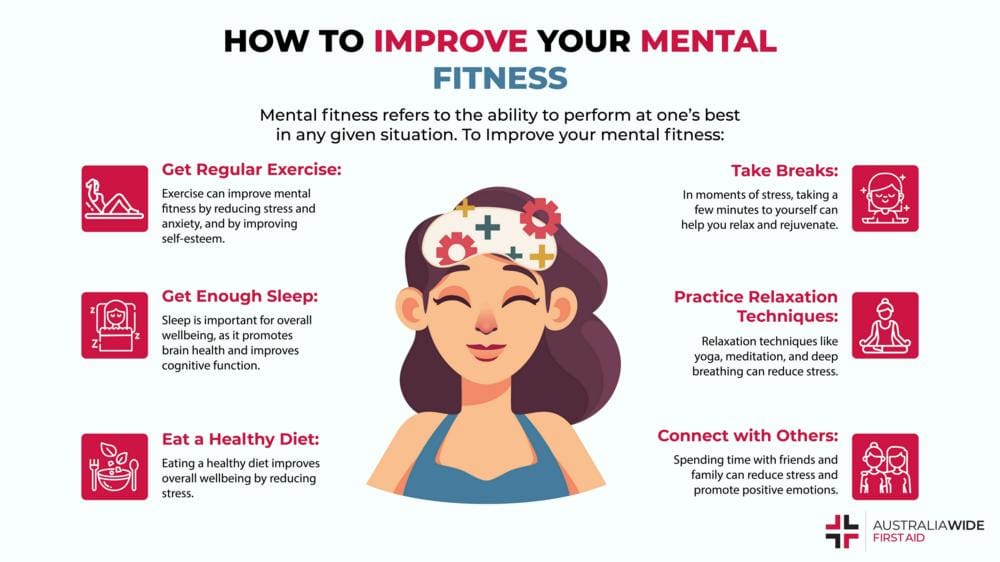
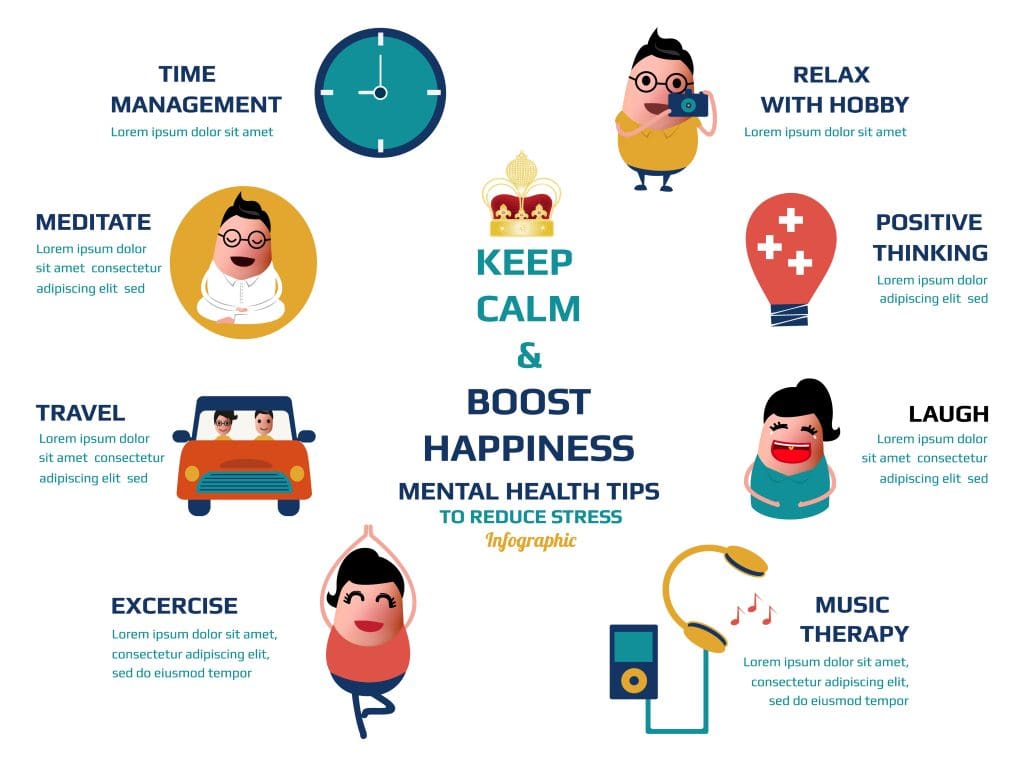
Practicing mindfulness and meditation techniques can significantly reduce stress levels and enhance cognitive health. These practices involve focusing your attention and awareness on the present moment, allowing you to let go of stressors and cultivate a sense of calm. Regular mindfulness and meditation sessions have been associated with improved attention, memory, and emotional regulation. Set aside a few minutes each day to engage in guided meditation or simply sit in a quiet space and focus on your breath.
Breathing Exercises
Simple breathing exercises can provide immediate relief from stress and promote a sense of relaxation. Deep breathing techniques, such as diaphragmatic breathing or box breathing, help activate the body’s relaxation response. By slowing down your breathing and taking deep belly breaths, you signal to your body that it’s safe and no longer in a state of stress. Practice these exercises whenever you feel overwhelmed or as part of your daily stress management routine.
Social Support
Maintaining strong social connections and seeking social support is crucial for managing stress effectively. Sharing your thoughts and emotions with trusted friends or family members can provide a sense of relief and help you gain new perspectives. Engage in meaningful conversations, reach out to loved ones, and express your feelings openly. Additionally, participating in social activities and spending quality time with loved ones can boost your mood and reduce feelings of stress and anxiety.
Social Interaction
Maintaining Relationships
Nurturing existing relationships is essential for both emotional well-being and cognitive health. Regularly connecting with friends and family members can provide a sense of belonging and support. Schedule regular social activities or catch-up sessions to maintain these important connections. Engaging in meaningful conversations, sharing experiences, and providing support to one another contribute to a sense of fulfillment and overall cognitive health.
Joining Community Groups
Joining community groups or clubs with shared interests can provide opportunities for social interaction and engagement. Whether it’s a book club, a sports team, a hobby group, or a volunteer organization, these community activities offer a chance to meet new people and expand your social network. Participating in group activities not only provides social stimulation but also promotes a sense of purpose and belonging, enhancing your cognitive well-being.
Volunteering
Engaging in volunteer work is an incredibly rewarding way to enhance both your cognitive health and overall well-being. Volunteering allows you to contribute to a cause you’re passionate about while also providing opportunities for social interaction and personal growth. Helping others and making a positive impact on your community can boost your self-esteem, reduce stress, and enhance mental resilience. Consider finding a local volunteer organization or charity and dedicate some of your time to helping others.
Hormonal Balance
Regular Check-ups
To ensure hormonal balance, it’s essential to schedule regular check-ups with your healthcare provider. Regular screenings and blood tests can help assess your hormone levels and identify any imbalances or deficiencies. Your healthcare provider can then offer appropriate guidance or recommend hormone replacement therapy if necessary. By staying proactive and addressing any hormonal issues, you can maintain better cognitive health and overall well-being.
Hormone Replacement Therapy
Hormone replacement therapy (HRT) may be recommended as a treatment option for women experiencing hormonal imbalances, particularly during menopause. HRT involves the use of medications containing hormones to restore hormonal levels to normal ranges. This therapy has been shown to relieve menopausal symptoms, such as hot flashes and mood swings, and may also have positive effects on cognitive health. If considering HRT, it’s important to discuss the potential risks and benefits with your healthcare provider to make an informed decision.
Consulting with Professionals
If you suspect or have concerns about hormonal imbalances, it’s essential to consult with healthcare professionals specializing in hormone health. Endocrinologists and gynecologists are experts in this field and can provide accurate diagnoses and tailored treatment plans. Consulting with these professionals ensures that you receive the necessary guidance and support to address any hormonal issues that may be affecting your cognitive health.
Limiting Alcohol and Tobacco
Reducing Alcohol Consumption
Excessive alcohol consumption can have detrimental effects on cognitive health. Long-term heavy drinking can lead to brain damage, memory impairment, and an increased risk of developing cognitive disorders such as dementia. To protect your cognitive health, it’s important to consume alcohol in moderation. Follow the recommended guidelines for moderate drinking, which typically suggest no more than one drink per day for women.
Quitting Smoking
Smoking tobacco can significantly impact cognitive health, increasing the risk of cognitive decline and dementia. The chemicals in tobacco smoke can damage blood vessels and reduce blood flow to the brain, leading to cognitive impairment. Quitting smoking is one of the best things you can do for your overall health, including your cognitive well-being. Seek support from healthcare professionals, join smoking cessation programs, and explore resources that can help you successfully quit smoking.
Seeking Support if Needed
If you find it challenging to limit or quit alcohol or tobacco on your own, seeking support is crucial. Reach out to healthcare professionals or support groups specializing in addiction and substance abuse. They can provide guidance, resources, and strategies to help you successfully reduce or eliminate these harmful substances from your life. Remember, you’re not alone, and there are people who can support you on your journey to better cognitive health.
Maintaining a Positive Outlook
Practicing Gratitude
Embracing a positive outlook and cultivating gratitude can have a profound effect on your overall well-being, including cognitive health. Taking time each day to appreciate the things you’re grateful for can shift your mindset towards positivity and gratitude. Consider keeping a gratitude journal or regularly reflecting on the things that bring you joy and appreciation. This practice can help reduce stress and anxiety, improving your cognitive function and overall quality of life.
Engaging in Positive Self-Talk
The way you talk to yourself internally can greatly impact your cognitive health. Engaging in positive self-talk involves replacing negative or self-defeating thoughts with more positive and empowering ones. Practice self-compassion and challenge negative beliefs or self-doubt. By cultivating a positive inner dialogue, you can boost your self-esteem, enhance your mood, and improve cognitive function.
Seeking Therapy if Needed
Sometimes, maintaining a positive outlook may require professional support. If you find it challenging to cultivate a positive mindset or if negative thoughts greatly impact your cognitive well-being, consider seeking therapy. Cognitive-behavioral therapy (CBT) and other evidence-based therapies can help you reframe negative thinking patterns, manage stress, and optimize cognitive health. Therapists can provide valuable tools and strategies to help you maintain a positive outlook and build resilience.
Regular Health Screenings
Annual Physical Examinations
Annual physical examinations are essential for maintaining overall health, including cognitive well-being. During these check-ups, your healthcare provider can assess various aspects of your health, including blood pressure, cholesterol levels, and general cognitive function. Regular physical examinations enable early detection of potential health concerns, allowing for timely intervention and management. Make it a priority to schedule and attend annual check-ups to ensure you’re taking proactive steps towards protecting your cognitive health.
Cognitive Function Tests
Cognitive function tests are specialized assessments that evaluate various cognitive abilities, such as memory, attention, and problem-solving skills. These tests can help identify any cognitive changes or impairments that may need further investigation or management. Your healthcare provider may recommend cognitive function tests if you’re experiencing noticeable changes in your cognitive abilities or if you’re at high risk for cognitive impairment. These tests enable early detection and intervention, optimizing cognitive health outcomes.
Regular Check-ups for Overall Health
Maintaining regular check-ups for overall health is crucial for comprehensive care, including cognitive health. Regular appointments with your healthcare provider allow for ongoing monitoring of your health, the identification of any potential concerns, and the adjustment of treatment plans as needed. These check-ups promote preventive care and ensure that you’re taking proactive steps towards optimizing your cognitive well-being.
Incorporating the above strategies into your lifestyle can greatly enhance your cognitive health and overall well-being. From physical exercise and mental stimulation to healthy eating and stress management, practicing these habits will contribute to a sharper mind, enhanced memory, and improved cognitive function. Remember, it’s never too late to start prioritizing your cognitive health – your brain will thank you for it!