
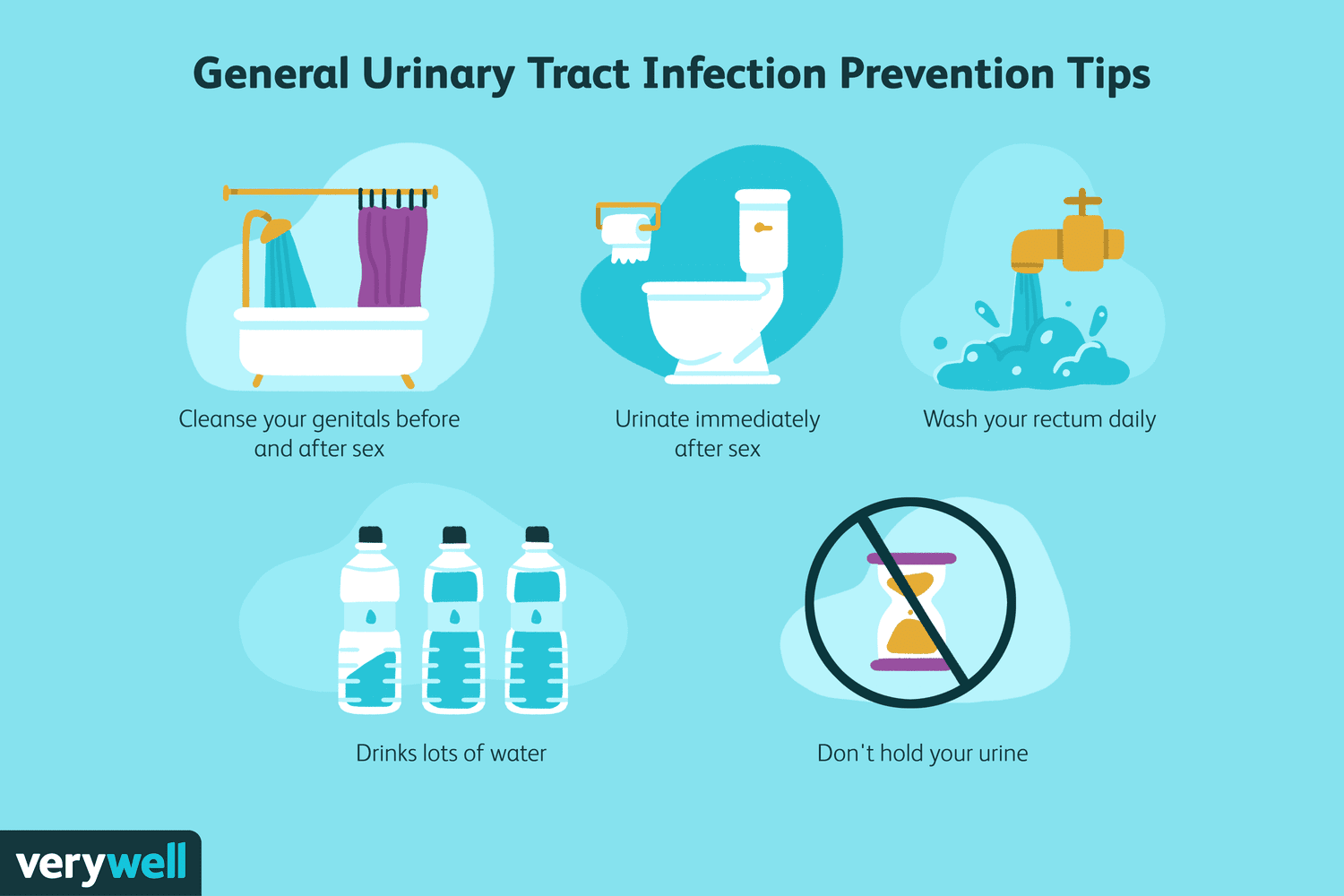
Are you tired of dealing with the discomfort and inconvenience of urinary tract infections (UTIs)? Look no further. In this article, you will discover some effective ways to prevent UTIs and keep your urinary system happy and healthy. From simple lifestyle changes to helpful habits, we’ve got you covered. So, if you’re ready to bid farewell to those pesky UTIs and enjoy a worry-free life, let’s dive right in!
Maintain Good Hygiene
Good hygiene practices are essential for preventing urinary tract infections (UTIs). One of the key aspects of maintaining good hygiene is wiping from the front to the back after using the bathroom. This simple habit helps to prevent the transfer of bacteria from the anal area to the urethra, reducing the risk of UTIs.
Another important hygiene practice is cleaning the genitals before and after sexual activities. This helps to remove any potential sources of infection and reduces the risk of bacteria entering the urinary tract. Using gentle cleansers or warm water is usually sufficient for keeping the genitals clean.
Properly washing underwear is also crucial for maintaining good hygiene. Bacteria and other germs can accumulate on underwear, especially if it is not changed frequently. To prevent the growth of harmful bacteria, it is important to wash underwear regularly and thoroughly.
Stay Hydrated
Staying hydrated plays a significant role in preventing UTIs. Drinking plenty of water throughout the day helps to flush out bacteria and other impurities from the urinary tract. Aim to drink at least eight glasses of water, or approximately 64 ounces, every day.
On the other hand, it is advisable to limit the consumption of caffeine and alcohol. This is because excessive intake of these substances can irritate the bladder and increase the risk of UTIs. If you can’t cut out caffeine or alcohol entirely, try to moderate your consumption and drink plenty of water to counteract their potential effects.
Urinate Regularly
It is important not to hold urine for long periods of time as it can increase the risk of UTIs. When you hold urine, bacteria have the opportunity to multiply and cause an infection. Make sure to empty your bladder whenever you feel the urge to urinate.
Furthermore, it is advisable to empty your bladder before and after sexual activities. This helps to flush out any bacteria that might have entered the urethra during intercourse, reducing the risk of UTIs.
Take Showers Instead of Baths
When it comes to personal hygiene, taking showers is preferred over baths in terms of preventing UTIs. The reason for this is that baths can increase the risk of bacteria entering the urethra. Water that is not clean or contains harmful bacteria can easily reach the urethra when sitting in a bath.
By opting for showers, you can ensure that water is flowing rather than stagnating, reducing the likelihood of bacteria entering the urethra. So, next time you’re in need of a thorough cleanse, consider taking a refreshing shower instead of a soak in the tub.
Avoid Using Harsh Products
When it comes to feminine hygiene, it’s important to be mindful of the products you use. Using mild soaps and avoiding irritants in feminine hygiene products can help maintain the natural balance of bacteria in the genital area. Harsh soaps and irritants can disrupt this balance and increase the risk of UTIs.
It is advisable to avoid using douches and powders as well. These products can disrupt the natural pH balance of the vagina, making it more susceptible to infections. Stick to gentle cleansers and products specifically designed for feminine hygiene to keep your genital area healthy.
Wear Breathable Cotton Underwear
The type of underwear you choose can also impact your risk of UTIs. Breathable cotton underwear is highly recommended as it allows for proper ventilation and prevents moisture buildup. Moisture can create an ideal environment for bacteria to grow and thrive, increasing the risk of UTIs.
Avoid wearing tight-fitting underwear or opting for synthetic fabrics, as these can trap moisture and heat, promoting bacterial growth. Additionally, it is important to change your underwear daily to maintain cleanliness and prevent bacterial buildup.
Practice Safe Sexual Activity
Engaging in safe sexual practices is crucial for preventing UTIs. Using condoms can significantly reduce the risk of UTIs by preventing the transfer of bacteria from one partner to another. It is important to use condoms consistently and correctly during sexual intercourse to maximize their effectiveness.
Urinating before and after sexual intercourse is also recommended. This helps to flush out any potential bacteria that may have entered the urethra during sexual activity. By emptying the bladder before and after intercourse, you can reduce the chances of bacteria causing an infection.
Boost Immune System
Maintaining a strong immune system is vital for overall health, including preventing UTIs. Eating a balanced diet rich in vitamins and minerals can help boost your immune system and make your body more resilient to infections. Include plenty of fruits, vegetables, whole grains, lean proteins, and healthy fats in your daily meals.
In addition to a healthy diet, getting enough sleep and managing stress are important factors in boosting your immune system. Sleep deprivation and chronic stress can weaken your immune response, making you more susceptible to infections. Aim for seven to nine hours of quality sleep each night and practice stress management techniques such as mindfulness, exercise, and relaxation exercises.
Avoid Holding Urine Too Long
When nature calls, it’s important to listen and respond promptly. Holding urine for too long is not advisable as it can lead to bladder infections. The bladder is designed to hold a certain amount of urine comfortably, and when it becomes stretched for extended periods, it can weaken its ability to fully empty and increase the risk of UTIs.
If you feel the urge to urinate, find a restroom and do not resist the urge or delay urination. By emptying your bladder when needed, you reduce the chances of bacteria multiplying and causing an infection.
Properly Manage Chronic Medical Conditions
If you have any chronic medical conditions such as diabetes or kidney stones, it is crucial to properly manage them to reduce the risk of UTIs. These conditions can compromise the immune system or contribute to the formation of urinary tract stones, both of which increase the likelihood of UTIs.
Follow your healthcare provider’s advice and treatment plans to effectively manage your chronic medical conditions. This may include taking prescribed medications, making lifestyle changes, and regular check-ups to monitor your health. Proper management of these conditions can significantly reduce the risk of UTIs and promote overall well-being.
In conclusion, incorporating these effective ways to prevent UTIs into your daily routine can make a significant difference in maintaining urinary tract health. By practicing good hygiene, staying hydrated, urinating regularly, and making healthy choices, you can reduce the risk of UTIs and enjoy better overall urogenital health. Remember to prioritize your well-being and consult a healthcare professional if you experience any persistent symptoms or concerns. Stay healthy, stay hydrated, and take care of your urinary tract!