
Welcome to an article that will guide you through the importance of healthy habits for preventive health and wellness. By incorporating simple yet effective practices into your daily routine, you can significantly decrease your risk of developing various health conditions and maintain a strong sense of overall well-being. From eating a balanced diet to prioritizing regular exercise, this article will provide you with valuable tips and insights on how to lead a healthier lifestyle and prevent future health issues. Stay tuned and let’s embark on this journey towards better health together! Have you ever wondered about the secret to living a long, healthy, and fulfilling life? The answer lies in adopting healthy habits for preventive health and wellness. By making simple lifestyle changes and choices, you can significantly improve your overall well-being and reduce the risk of developing chronic diseases. In this article, we will explore a variety of healthy habits that you can incorporate into your daily routine to promote preventive health and wellness.

Importance of Preventive Health
Before diving into the specific healthy habits, let’s first understand the importance of preventive health. Preventive health measures aim to identify and address potential health risks before they escalate into serious conditions. By taking proactive steps to maintain good health, you can prevent diseases, detect health issues early, and improve your quality of life.
Why is Preventive Health Important?
Preventive health is essential for maintaining overall well-being and reducing the burden of illness on both individuals and society. By focusing on prevention rather than treatment, you can save time, money, and resources in the long run. Investing in your health today can lead to a healthier and happier tomorrow.
Healthy Eating Habits
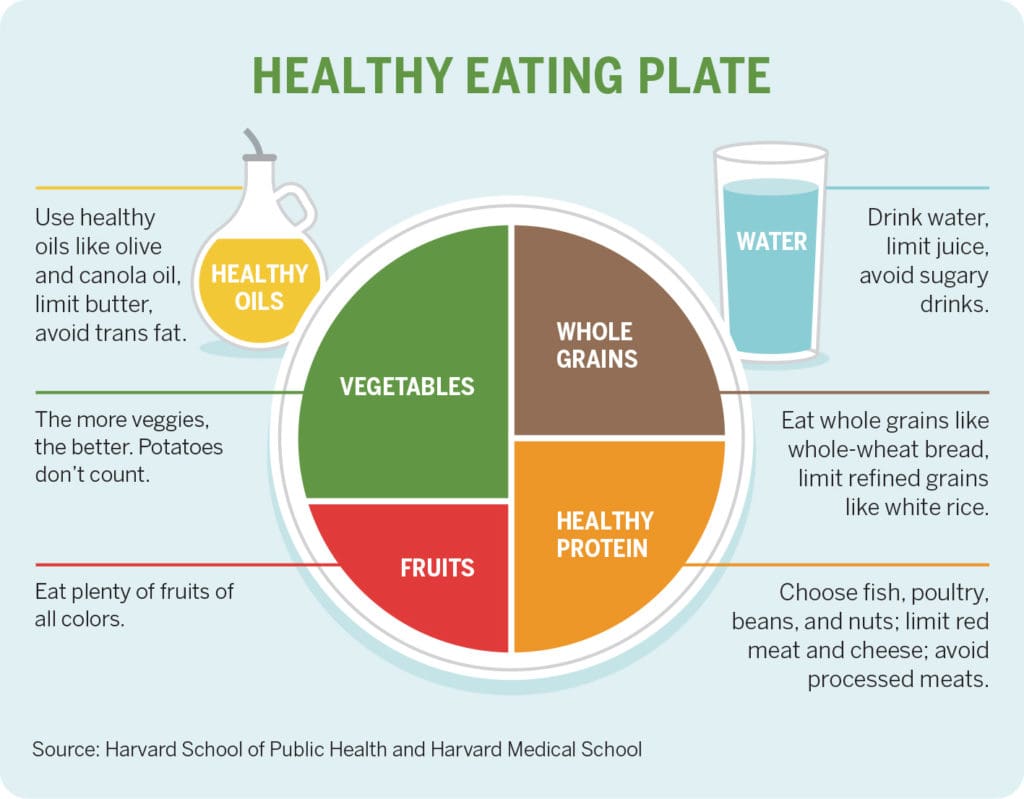
A well-balanced diet plays a crucial role in promoting preventive health and wellness. Consuming a variety of nutrient-rich foods provides your body with the necessary vitamins, minerals, and antioxidants it needs to function optimally. Here are some healthy eating habits you can adopt:
Eat a Rainbow of Fruits and Vegetables
Including a variety of colorful fruits and vegetables in your diet ensures that you receive a wide range of essential nutrients. Aim to fill half of your plate with fruits and vegetables at each meal to boost your intake of vitamins, minerals, and fiber.
Limit Processed Foods and Added Sugars
Highly processed foods and those with added sugars can contribute to weight gain, inflammation, and chronic diseases. Opt for whole, natural foods whenever possible and minimize your consumption of sugar-laden snacks and beverages.
Stay Hydrated
Proper hydration is essential for maintaining optimal health. Aim to drink at least eight glasses of water per day and more if you are active or live in a hot climate. Staying hydrated helps regulate body temperature, support digestion, and flush out toxins.
Regular Physical Activity
Incorporating regular physical activity into your daily routine is another key component of preventive health and wellness. Exercise has numerous benefits for both your physical and mental well-being. Here are some tips for staying active:
Find Activities You Enjoy
Physical activity doesn’t have to be a chore. Find activities that you enjoy, whether it’s dancing, hiking, swimming, or playing sports. When you engage in activities you love, exercise becomes a fun and rewarding experience.
Aim for at least 150 Minutes of Moderate-Intensity Exercise per Week
The American Heart Association recommends at least 150 minutes of moderate-intensity exercise per week to maintain cardiovascular health. Break it down into manageable chunks throughout the week, such as 30 minutes of brisk walking five days a week.
Incorporate Strength Training
In addition to cardiovascular exercise, include strength training in your fitness routine. Building muscle mass can improve your metabolism, bone density, and overall strength. Try incorporating bodyweight exercises, resistance bands, or free weights into your workouts.
Quality Sleep
Quality sleep is essential for overall health and well-being. Getting enough rest helps your body recover, recharge, and repair itself. Here are some tips for improving your sleep quality:
Establish a Consistent Sleep Schedule
Try to go to bed and wake up at the same time every day, even on weekends. Establishing a consistent sleep schedule helps regulate your body’s internal clock and can improve the quality of your sleep.
Create a Relaxing Bedtime Routine
Develop a calming bedtime routine to signal to your body that it’s time to wind down. Engage in relaxing activities like reading, meditation, or gentle stretching before going to bed. Avoid stimulating activities like watching TV or using electronic devices.
Create a Comfortable Sleep Environment
Make your bedroom conducive to sleep by keeping it cool, dark, and quiet. Invest in a comfortable mattress and pillows that support your sleep posture. Limit noise and distractions to ensure a restful night’s sleep.

Stress Management
Chronic stress can have a negative impact on your physical and mental health. Learning how to manage stress effectively is essential for preventing the development of stress-related illnesses. Here are some stress management techniques you can try:
Practice Mindfulness
Mindfulness involves staying present in the moment and observing your thoughts and feelings without judgment. Mindfulness meditation, deep breathing exercises, and yoga can help reduce stress and promote relaxation.
Engage in Physical Activity
Exercise is a powerful stress reliever that can help release pent-up tension and improve your mood. Engaging in regular physical activity can also boost your endorphin levels, which are natural mood-boosting chemicals.
Prioritize Self-Care
Self-care activities like taking a bath, reading a book, spending time outdoors, or pursuing a hobby can help you relax and recharge. Make time for yourself each day to engage in activities that bring you joy and fulfillment.
Regular Health Check-ups
Regular health check-ups are an essential part of preventive health care. Scheduling routine screenings and exams can help detect health issues early and prevent the progression of diseases. Here are some preventive health screenings you should consider:
Blood Pressure Screening
High blood pressure, also known as hypertension, is a common risk factor for heart disease and stroke. Get your blood pressure checked regularly, especially if you have a family history of hypertension.
Cholesterol Testing
High cholesterol levels can increase your risk of heart disease and stroke. Have your cholesterol levels tested periodically, and work with your healthcare provider to manage your cholesterol through diet, exercise, and medication if necessary.
Cancer Screenings
Screenings for various types of cancer, such as breast, cervical, colorectal, and prostate cancer, can help detect cancer early when treatment is most effective. Follow your healthcare provider’s recommendations for cancer screenings based on your age, gender, and risk factors.
Conclusion
In conclusion, adopting healthy habits for preventive health and wellness is crucial for maintaining a high quality of life and reducing the risk of chronic diseases. By focusing on nutrition, physical activity, sleep, stress management, and regular health check-ups, you can empower yourself to lead a healthier and happier lifestyle. Remember that small changes can lead to significant improvements in your overall well-being. Start incorporating these healthy habits into your daily routine today, and enjoy the long-term benefits of preventive health and wellness. Your future self will thank you for it!