
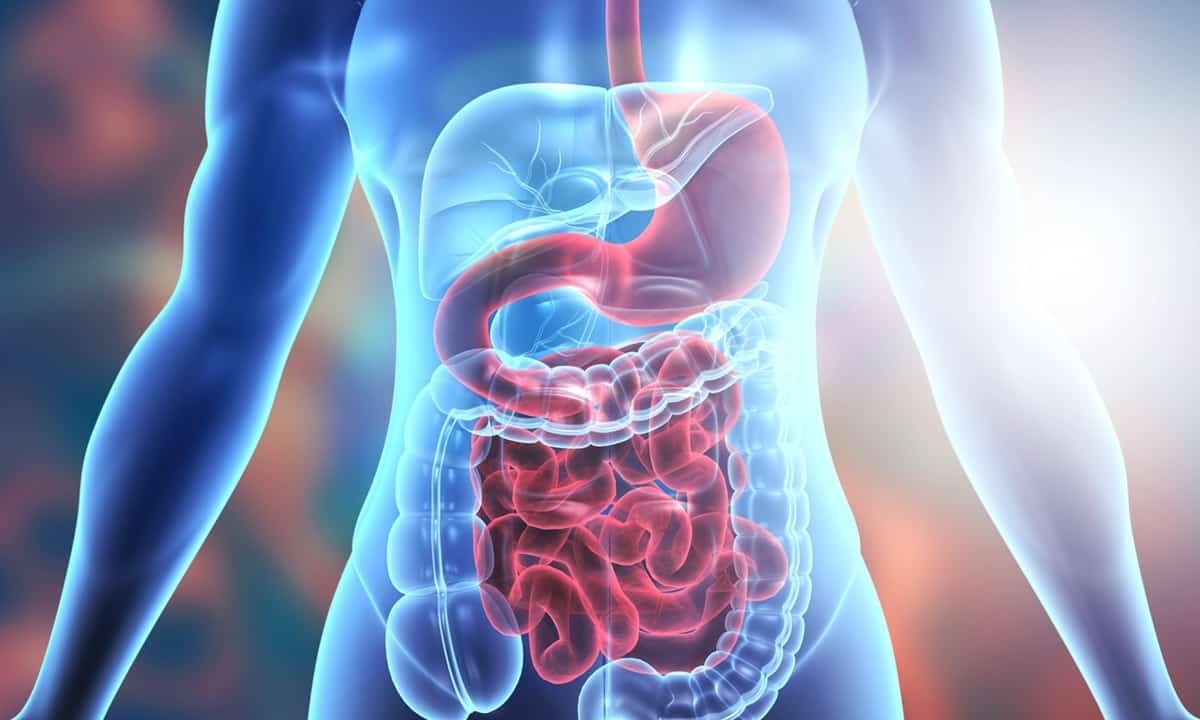
If you’ve ever experienced digestive issues or discomfort, you’re not alone. As a woman, it’s important to prioritize your digestive health to ensure overall wellness. From bloating and constipation to acid reflux and stomach pain, these issues can significantly impact your daily life. In this article, we will explore various ways to improve digestive health specifically tailored for women, providing simple tips and tricks to optimize your gut health and enhance your overall well-being. Whether you’re looking for dietary recommendations or lifestyle changes, this article will guide you on your journey towards improved digestion.
Maintain a Balanced Diet
A balanced diet plays a crucial role in maintaining good digestive health. Including fiber-rich foods in your diet is essential, as they promote healthy bowel movements and prevent constipation. Fiber can be found in fruits, vegetables, whole grains, and legumes. These foods not only provide essential nutrients but also aid in digestion by adding bulk to the stool and promoting regular bowel movements.
Another important aspect of a balanced diet for digestive health is consuming probiotic foods. Probiotics are beneficial bacteria that help maintain a healthy balance of microorganisms in the gut. Yogurt, kefir, sauerkraut, and other fermented foods are excellent sources of probiotics. Including these foods in your diet can promote a healthy gut flora and improve digestion.
In contrast, it is important to limit the intake of processed foods. These foods often contain high levels of added sugars, unhealthy fats, and preservatives, which can disrupt the natural balance of your gut bacteria and lead to digestive issues. Opting for whole, unprocessed foods instead can provide the nutrients your body needs while supporting a healthy digestive system.
Stay Hydrated
Adequate hydration is essential for maintaining a healthy digestive system. Drinking enough water helps soften the stool and prevent constipation. It also enables the efficient absorption of nutrients and promotes the smooth movement of food through the digestive tract.
It is important to drink water throughout the day, even when you’re not feeling thirsty. Aim to consume at least eight glasses of water daily, and increase your intake if you engage in physical activity or live in a hot climate. Staying hydrated not only benefits your digestive health but also contributes to overall well-being.
While water is essential for hydration, it is advisable to avoid excessive alcohol and caffeine consumption. Alcohol and caffeine have diuretic properties, which can lead to dehydration and disrupt the normal functioning of the digestive system. Limiting your intake of these beverages can help maintain optimal digestive health.
Manage Stress Levels
Stress has a significant impact on digestive health, as it can disrupt the balance of gut bacteria and impair digestion. Therefore, finding effective ways to manage stress is crucial.
Engaging in stress-reducing techniques such as deep breathing, meditation, yoga, or tai chi can help calm your mind and relax your body. These practices promote a state of relaxation, which can alleviate digestive symptoms such as bloating, cramping, and diarrhea.
Additionally, getting enough sleep is essential for managing stress and maintaining a healthy digestive system. Lack of sleep can increase stress levels, leading to digestive issues. Aim for seven to eight hours of quality sleep each night to support optimal digestion and overall well-being.
Regular Exercise
Regular physical activity is not only beneficial for overall health but also plays a key role in maintaining good digestive health. Engaging in physical activity helps stimulate the muscles in your digestive tract, promoting more efficient digestion and preventing constipation.
A combination of cardiovascular exercises, such as jogging or cycling, and strength training exercises can help support a healthy digestive system. Cardiovascular exercises increase heart rate and blood flow, stimulating the digestive tract. Strength training exercises, on the other hand, improve muscle tone, including the muscles involved in digestion.
Including exercises that specifically aid digestion, such as yoga poses like Child’s Pose or Wind-Relieving Pose, can target the digestive organs and promote better digestion. These exercises can help relieve symptoms of indigestion, bloating, and gas, providing relief and promoting better digestion.
Avoid Trigger Foods
Different individuals may have different trigger foods that cause digestive discomfort. Identifying these trigger foods is essential for maintaining good digestive health. Common trigger foods include spicy or fatty foods, citrus fruits, dairy products, and gluten-containing grains.
Keeping a food diary can help you determine which foods may be causing digestive issues. Pay attention to any symptoms you experience after consuming specific foods and make note of them. This will help you pinpoint which foods you should limit or avoid to prevent discomfort.
Once you have identified your trigger foods, it is important to limit their intake. This doesn’t mean you have to completely eliminate them from your diet, but rather consume them in moderation and observe how your body reacts. Every individual’s tolerance to trigger foods is different, so finding your personal balance is key.
Chew Food Thoroughly
Proper chewing is often overlooked but plays a vital role in digestive health. Taking the time to chew your food thoroughly can significantly improve digestion and prevent digestive issues such as bloating and gas.
Chewing breaks down food into smaller, more manageable pieces, making it easier for the digestive enzymes in your stomach and intestines to break it down further. It also signals your body to produce saliva, which contains digestive enzymes that initiate the digestion process.
Avoiding eating too quickly is equally important. Eating too fast can lead to overeating, as it takes time for your brain to register that you are full. This can put unnecessary strain on your digestive system and lead to discomfort. Take your time to enjoy your meals, savor each bite, and listen to your body’s hunger and fullness cues.
Maintain a Healthy Weight
Maintaining a healthy weight is crucial for optimal digestive health. Being overweight or obese increases the risk of developing various digestive disorders such as acid reflux, gallstones, and fatty liver disease.
To maintain a healthy weight, it is important to maintain a balanced caloric intake. This means consuming a sufficient amount of calories to meet your energy needs without exceeding them. Balancing your diet with a variety of nutrient-dense foods, along with regular physical activity, can help achieve and maintain a healthy weight.
Incorporating regular physical activity into your routine is equally important for weight management and digestive health. Exercise helps burn calories, build muscle mass, and maintain metabolic function. Aim for at least 150 minutes of moderate-intensity aerobic exercise or 75 minutes of vigorous-intensity exercise per week to support a healthy weight and digestive system.
Practice Mindful Eating
Practicing mindful eating can have a positive impact on your digestive health. Being present and focused during meals allows you to fully enjoy your food and tune into your body’s hunger and fullness cues.
Take the time to sit down and savor your meals without distractions. Avoid eating in front of screens or while multitasking, as this can lead to mindless eating and overconsumption. Instead, focus on the taste, texture, and aroma of your food, and listen to your body’s signals of hunger and fullness.
Additionally, eating slowly and chewing thoroughly go hand in hand with mindful eating. By slowing down and paying attention to each bite, you can better recognize when you are satisfied and prevent overeating. This mindful approach to eating can improve digestion, prevent digestive discomfort, and promote a healthy relationship with food.
Get Regular Check-Ups
Regular check-ups with your healthcare provider, including gynecological exams, are essential for maintaining optimal digestive health as a woman. These exams allow your healthcare provider to monitor your overall health and address any concerns related to your digestive system.
Gynecological exams can help identify any gynecological conditions or hormonal imbalances that may affect your digestive health. Conditions such as endometriosis can sometimes cause digestive symptoms like abdominal pain or irregular bowel movements. By discussing your digestive concerns with your healthcare provider, they can provide appropriate guidance and referrals if needed.
It is important to communicate openly with your healthcare provider and inform them of any digestive issues you may be experiencing. They can perform relevant tests, such as stool analysis or an endoscopy, to further investigate the source of the problem and develop an appropriate treatment plan.
Avoid Smoking
Smoking is detrimental to overall health, including digestive health. If you’re a smoker, quitting smoking is one of the best things you can do for your digestive system.
Smoking has a direct negative impact on the digestive tract, increasing the risk of conditions such as gastric ulcers, gastroesophageal reflux disease (GERD), and Crohn’s disease. It can also worsen symptoms of digestive disorders and delay healing.
Even if you are not a smoker, it is important to avoid secondhand smoke whenever possible. Secondhand smoke can also have harmful effects on the digestive system and overall health.
By quitting smoking or avoiding exposure to secondhand smoke, you can significantly improve your digestive health and reduce the risk of developing serious digestive conditions.
In conclusion, improving digestive health as a woman requires adopting a holistic approach. Maintaining a balanced diet, staying hydrated, managing stress levels, engaging in regular exercise, avoiding trigger foods, chewing food thoroughly, maintaining a healthy weight, practicing mindful eating, getting regular check-ups, and avoiding smoking or secondhand smoke are all essential steps to support optimal digestive health. By implementing these lifestyle changes, you can promote a healthy digestive system and enhance your overall well-being.