

Are you looking for ways to boost your immune system naturally? In today’s hectic world, it’s important to take care of our health and strengthen our body’s defenses against illnesses and infections. Fortunately, there are several simple and effective methods you can incorporate into your daily routine to enhance your immune system. From eating a nutrient-rich diet to getting regular exercise and managing stress levels, this article will provide you with valuable tips on how to naturally improve your immune system. So, read on to discover how you can take control of your health and increase your body’s resilience in a friendly and accessible way.
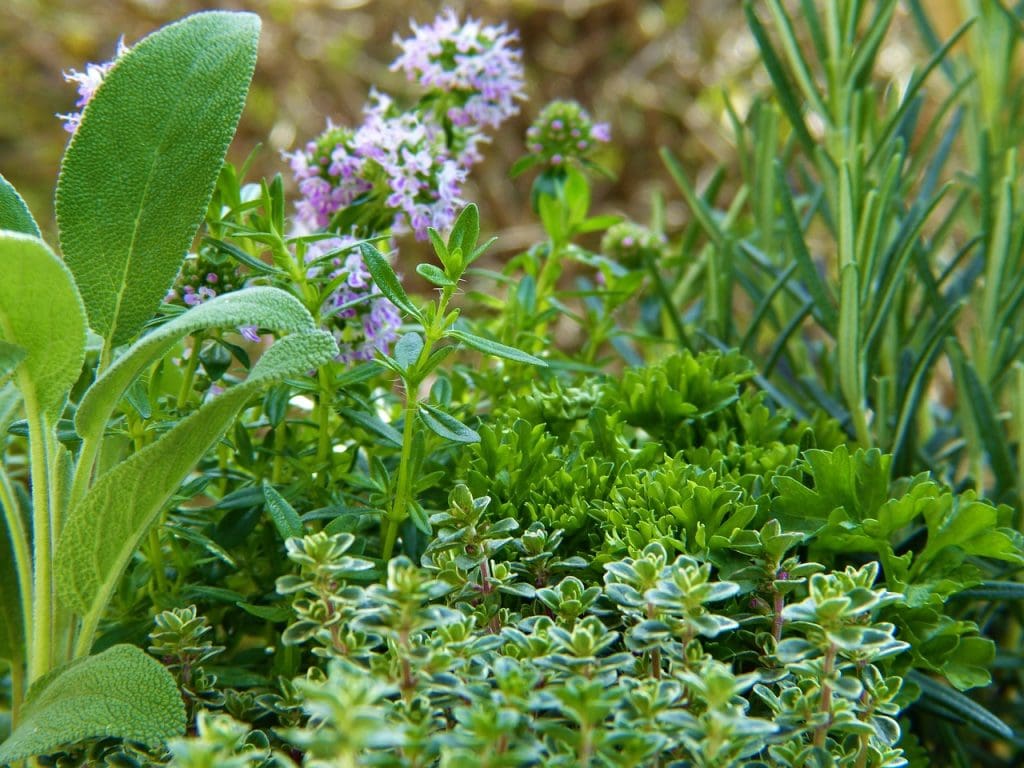
Eat a Healthy Diet
Maintaining a healthy immune system starts with what you put into your body. A varied and balanced diet is key to providing the necessary nutrients and vitamins to support your immune system. Make sure to include a wide variety of fruits and vegetables in your meals. These colorful foods are packed with antioxidants, vitamins, and minerals that help strengthen your immune system. Incorporating whole grains into your diet, such as brown rice, oats, and whole wheat bread, can also provide essential nutrients and fiber. When it comes to protein, opt for lean sources like skinless poultry, fish, and legumes. Lastly, don’t forget to include healthy fats, such as those found in avocados, nuts, and olive oil, which can help reduce inflammation and support immune health.
Stay Hydrated
Proper hydration is essential for overall health, including maintaining a strong immune system. Drinking an adequate amount of water throughout the day helps your body flush out toxins and ensures that your cells and tissues function properly. In addition to water, consider including herbal teas in your daily routine. Herbal teas like green tea, chamomile, and ginger can provide additional health benefits and contribute to your hydration. Another great way to stay hydrated is by consuming hydrating fruits and vegetables. Foods like watermelon, cucumber, and celery have high water content and can help keep you hydrated while providing essential vitamins and minerals.
Get Sufficient Sleep
Adequate sleep is crucial for a well-functioning immune system. Establishing a consistent sleep schedule helps regulate your body’s internal clock, promoting healthy sleep patterns. Aim for 7-8 hours of sleep each night to ensure your body has enough time to repair and rejuvenate. Creating a relaxing bedtime routine can also help signal to your body that it’s time to wind down. Consider activities such as reading a book, taking a warm bath, or practicing relaxation techniques like deep breathing or meditation. Additionally, ensuring a comfortable sleep environment, with a supportive mattress, cozy bedding, and a cool and dark room, can enhance the quality of your sleep and promote a stronger immune system.
Exercise Regularly
Engaging in regular exercise is not only beneficial for your physical health but can also boost your immune system. Aim for at least 150 minutes of moderate-intensity physical activity per week. This can include activities like brisk walking, cycling, or dancing. Exercise helps improve blood circulation, reduces inflammation, and enhances the production of antibodies and white blood cells, all of which contribute to a healthier immune system. It’s important to incorporate a combination of cardiovascular exercises to get your heart rate up and strength training exercises to build muscle. To further support your immune system, consider including relaxation exercises like yoga or meditation in your routine, as they can help reduce stress levels and improve overall well-being.

Manage Stress Levels
Stress can have a negative impact on your immune system, making it susceptible to illness and infections. Therefore, it’s crucial to practice stress-reducing techniques to support your immune health. Find activities or hobbies that you enjoy and make time for them regularly. Engaging in activities like painting, gardening, playing an instrument, or reading can help reduce stress levels and promote a sense of well-being. Seeking support from friends and family is also important. Having a strong support system can provide emotional comfort and help you navigate through stressful situations. Remember, it’s okay to ask for help when you need it.
Limit Alcohol Consumption
Excessive alcohol consumption can impair your immune system’s ability to function properly. It can disrupt the balance of white blood cells and weaken your body’s defense mechanisms. Therefore, it’s important to drink alcohol in moderation. The recommended limit is up to one drink per day for women and up to two drinks per day for men. Binge drinking should be avoided as it can have severe negative effects on your immune system. If you do choose to consume alcohol, consider alternating alcoholic beverages with water to stay hydrated and minimize the negative impact on your immune system.
Quit Smoking
Another important step in improving your immune system naturally is quitting smoking. Smoking damages the immune cells in your respiratory tract and weakens the overall immune response in your body. Seeking professional help or joining support groups can greatly increase your chances of successfully quitting smoking. Removing smoking triggers from your environment, such as ashtrays or lighters, can also help reduce the temptation to smoke. Additionally, it’s important to replace smoking with healthier habits. For example, you can engage in physical activity, practice deep breathing exercises, or find alternative hobbies to keep your mind and hands occupied.
Maintain a Healthy Weight
Maintaining a healthy weight is essential for supporting your immune system. Being overweight or underweight can negatively impact the functioning of your immune system, making you more susceptible to infections and diseases. To maintain a healthy weight, focus on eating a balanced diet and controlling portion sizes. Incorporate a variety of healthy foods from different food groups and ensure you’re consuming the appropriate amount of calories for your age, gender, and activity level. Additionally, engaging in regular physical activity can help you lose or maintain weight, increase your metabolism, and improve overall immune function. Tracking your progress and monitoring your weight and body measurements can provide helpful feedback and keep you motivated on your journey to maintaining a healthy weight.
Stay Hygienic
Practicing good hygiene is crucial for preventing the spread of infections and supporting your immune system. Wash your hands regularly with soap and water for at least 20 seconds to remove germs. This is especially important before eating, after using the restroom, and when you have been in public spaces. Cover your mouth and nose with a tissue or your elbow when coughing or sneezing to prevent the spread of germs through respiratory droplets. Avoid close contact with sick individuals, as many infections are transmitted through close contact. Maintaining good hygiene habits can significantly reduce your risk of illness and support the overall health of your immune system.
Consider Natural Supplements
While a healthy diet should provide most of the necessary nutrients for a strong immune system, some individuals may consider incorporating natural supplements. However, it’s important to consult a healthcare professional before starting any new supplements, as they can interact with medications or have side effects. Immune-boosting supplements such as vitamin C, zinc, and elderberry have gained popularity for their potential benefits in strengthening the immune system. Vitamin C is known for its antioxidant properties and its role in supporting immune function. Zinc has been found to enhance the production of immune cells and promote their activity. Elderberry is believed to have antiviral properties and may help reduce the duration and severity of cold and flu symptoms. When selecting supplements, ensure they are from reputable sources to ensure purity and quality.
Improving your immune system naturally involves adopting a holistic approach to your health and well-being. By following these tips and making small changes to your lifestyle, you can support your immune system and minimize your risk of infections and diseases. Remember, healthy habits and a strong immune system go hand in hand, so prioritize your well-being and take care of yourself.