
Are you looking for effective ways to manage chronic musculoskeletal disorders? Look no further! In this article, you will discover valuable exercise and therapy recommendations that can help alleviate the symptoms and improve your quality of life. Whether you are suffering from back pain, arthritis, or any other musculoskeletal condition, implementing these recommendations can make a significant difference in your overall well-being. So, get ready to take control of your health and start on the path towards a more comfortable and active lifestyle.

Overview of Chronic Musculoskeletal Disorders
Chronic musculoskeletal disorders refer to a group of conditions that affect the muscles, bones, joints, and connective tissues in the body. These disorders cause persistent pain, stiffness, and functional limitations, which can significantly impact a person’s quality of life. Common chronic musculoskeletal disorders include osteoarthritis, rheumatoid arthritis, fibromyalgia, and chronic back pain.
Definition of Chronic Musculoskeletal Disorders
Chronic musculoskeletal disorders encompass a wide range of conditions that affect the musculoskeletal system. These conditions may be degenerative, inflammatory, or related to overuse injuries. The hallmark symptom of these disorders is chronic pain that lasts for more than three months. In addition to pain, individuals may experience swelling, stiffness, limited range of motion, and muscle weakness.
Prevalence of Chronic Musculoskeletal Disorders
Chronic musculoskeletal disorders are highly prevalent worldwide. According to the World Health Organization, musculoskeletal disorders affect millions of people, with estimates suggesting that around 20% of the global population is affected by some form of musculoskeletal condition. The prevalence of these disorders increases with age and can have a significant impact on healthcare systems, economies, and individuals’ lives.
Impact on Quality of Life
Chronic musculoskeletal disorders can have a profound impact on a person’s quality of life. The persistent pain, limited mobility, and physical limitations associated with these conditions can affect daily activities, work productivity, and social participation. Furthermore, the emotional and psychological toll of living with chronic pain can lead to anxiety, depression, and reduced overall well-being. Therefore, managing these disorders is crucial to improve the quality of life for individuals affected by them.
Importance of Exercise and Therapy in Managing Chronic Musculoskeletal Disorders
Exercise and therapy play a vital role in managing chronic musculoskeletal disorders. They can help reduce pain, improve mobility, enhance muscle strength, and promote overall physical and mental well-being. Incorporating exercise and therapy into the treatment plan can offer substantial benefits to individuals living with these conditions.
Benefits of Exercise for Chronic Musculoskeletal Disorders
Engaging in regular exercise can have numerous benefits for individuals with chronic musculoskeletal disorders. Physical activity helps improve joint flexibility, increase muscle strength, and enhance overall physical fitness. It also helps decrease inflammation, promote weight management, and improve cardiovascular health. Regular exercise can have a positive impact on mood, relieve stress, and enhance mental well-being. Additionally, exercise can help maintain bone density and prevent the progression of certain musculoskeletal conditions.
Types of Therapy for Chronic Musculoskeletal Disorders
Therapy is an integral part of managing chronic musculoskeletal disorders. Different types of therapy can be utilized, depending on the specific condition and individual needs. Physical therapy involves exercises, modalities, and manual techniques to improve strength, range of motion, and function. Occupational therapy focuses on helping individuals regain independence in daily activities through adaptations and assistive devices. Aquatic therapy utilizes the properties of water to reduce pain, improve mobility, and enhance strength.
Role of Exercise and Therapy in Pain Management
Pain management is a key aspect of managing chronic musculoskeletal disorders. Exercise and therapy play a significant role in reducing pain and improving overall pain coping mechanisms. Regular exercise helps release endorphins, which are natural pain-relieving chemicals in the body. Specific therapeutic techniques used in physical and occupational therapy, such as manual therapy and assistive devices, can also help alleviate pain. By incorporating exercise and therapy into a comprehensive pain management plan, individuals can experience improved pain control and enhanced overall well-being.
Exercise Recommendations for Chronic Musculoskeletal Disorders
When it comes to managing chronic musculoskeletal disorders, exercise is an essential component. However, it is important to choose the right type of exercise and implement it in a safe and effective manner. Here are some exercise recommendations for individuals with chronic musculoskeletal disorders.
Types of Exercises for Chronic Musculoskeletal Disorders
Different types of exercises can benefit individuals with chronic musculoskeletal disorders. Low-impact exercises such as walking, swimming, and cycling are gentle on the joints and help improve cardiovascular fitness. Strength training exercises using resistance bands, weights, or body weight can help build muscle strength and improve overall function. Flexibility exercises such as stretching and yoga can enhance joint mobility and reduce stiffness. Range of motion exercises can help maintain or improve joint mobility.
Frequency and Duration of Exercise
The frequency and duration of exercise for individuals with chronic musculoskeletal disorders may vary depending on the specific condition and individual capabilities. Generally, it is recommended to engage in aerobic exercise for at least 150 minutes per week, spread across several days. Strength training exercises should be performed two to three times a week, targeting all major muscle groups. Flexibility exercises can be done daily or at least three times a week. It is important to start slowly and gradually increase the intensity and duration of exercise over time.
Considerations and Modifications for Different Conditions
Each chronic musculoskeletal disorder requires specific considerations and modifications when it comes to exercise. For example, individuals with osteoarthritis may benefit from exercises that strengthen the muscles around the affected joint while avoiding excessive joint loading. Those with rheumatoid arthritis should focus on low-impact exercises to avoid joint inflammation and stress. Fibromyalgia patients may benefit from low-impact aerobic exercises and gentle stretching to reduce pain and fatigue. It is crucial to consult with a healthcare provider or a qualified exercise specialist to develop an exercise program that suits individual needs and limitations.
Therapy Recommendations for Chronic Musculoskeletal Disorders
In addition to exercise, therapy is an important component of managing chronic musculoskeletal disorders. Different types of therapy can be recommended depending on the specific condition and individual needs. Here are some therapy recommendations for individuals with chronic musculoskeletal disorders.
Physical Therapy
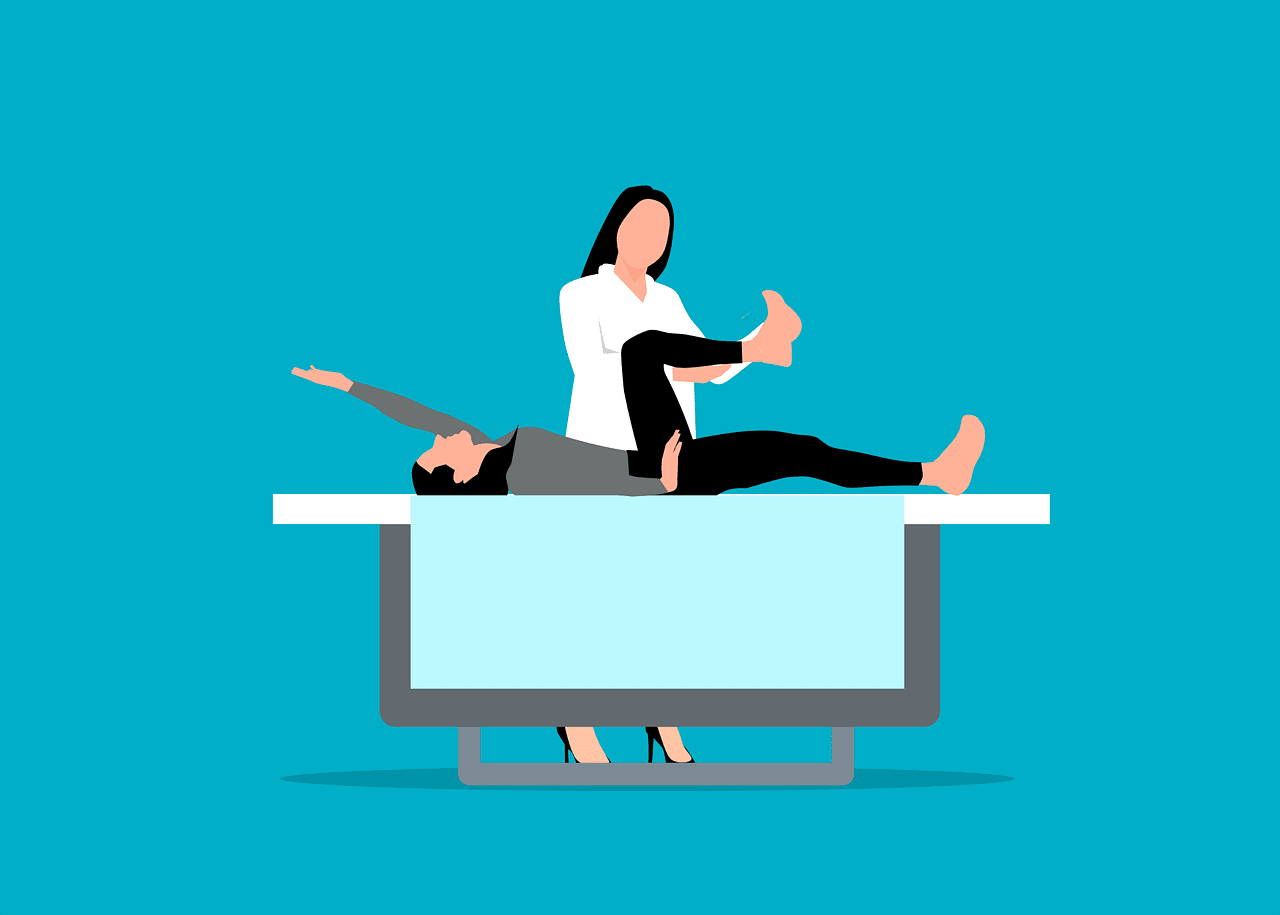
Physical therapy is a key therapy option for chronic musculoskeletal disorders. A physical therapist can design a customized treatment plan that includes exercises, manual therapy techniques, and modalities to address the specific needs of each individual. Physical therapy aims to improve joint range of motion, muscle strength, endurance, and overall functional abilities. It also includes education on proper body mechanics and postural correction to prevent further musculoskeletal issues.
Occupational Therapy
Occupational therapy focuses on helping individuals regain independence in their daily activities. Occupational therapists assess the individual’s abilities and challenges and provide interventions to improve function and adapt tasks or environments as needed. They may recommend assistive devices, ergonomic modifications, and training in energy conservation techniques. Occupational therapy promotes functional independence and enhances quality of life for individuals with chronic musculoskeletal disorders.
Aquatic Therapy
Aquatic therapy, also known as water therapy, can be beneficial for individuals with chronic musculoskeletal disorders. The buoyancy of water reduces the strain on joints and provides support, allowing for pain-free movement. Aquatic exercises help improve strength, flexibility, and overall fitness. The resistance of water also increases the challenge of exercises. Aquatic therapy is particularly beneficial for individuals with conditions such as osteoarthritis, fibromyalgia, and chronic back pain.
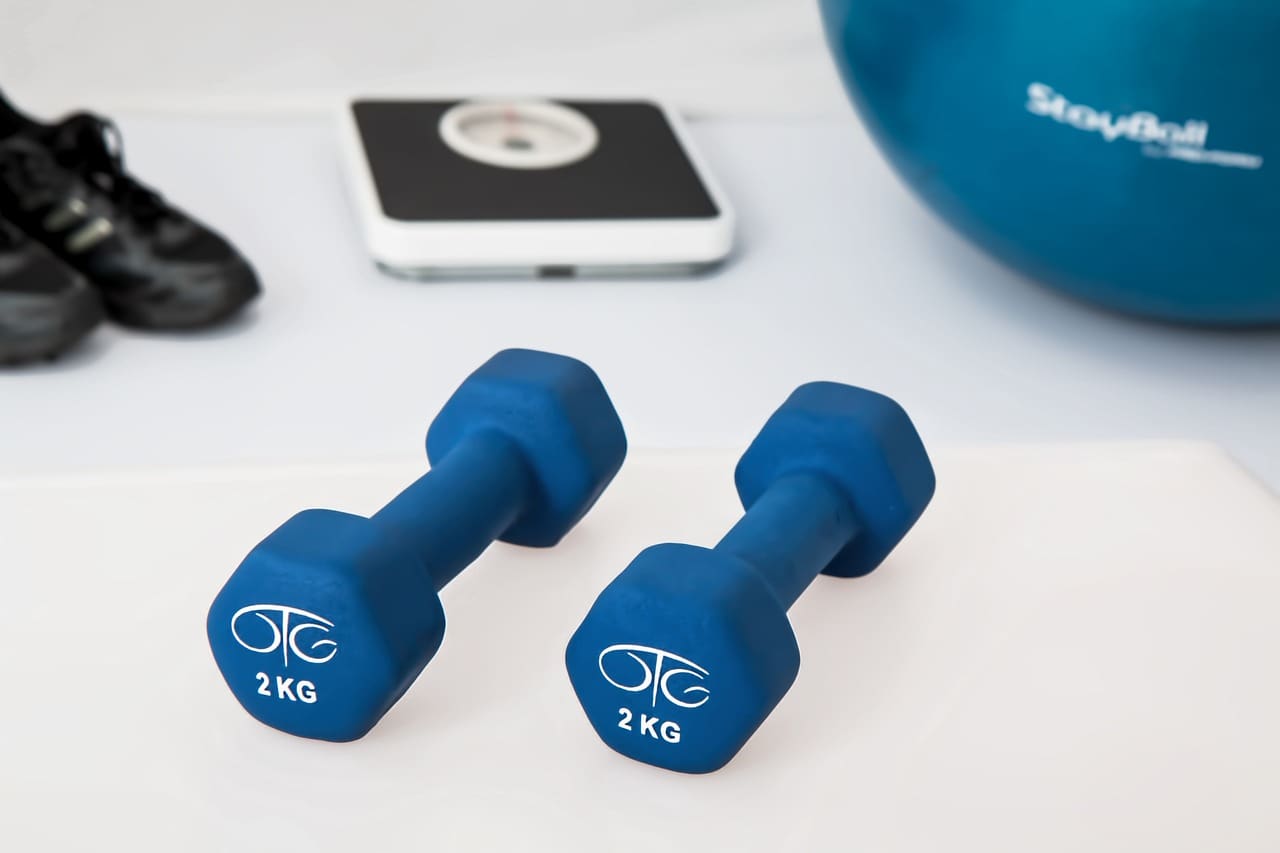
Assistive Devices and Aids for Managing Chronic Musculoskeletal Disorders
Assistive devices and aids can play a crucial role in managing chronic musculoskeletal disorders, providing support, stability, and assistance with daily activities. Here are some types of assistive devices commonly used for individuals with chronic musculoskeletal disorders.
Types of Assistive Devices
There is a wide range of assistive devices available to support individuals with chronic musculoskeletal disorders. Examples include canes, crutches, walkers, and wheelchairs to assist with mobility. Orthotics, such as shoe inserts or braces, can provide support and alignment for the feet, ankles, or knees. Adaptive tools, including reachers, dressing aids, and utensil holders, can help individuals with limited hand dexterity perform daily tasks. Assistive devices for bathing, toileting, and other personal care activities are also available.
Benefits and Limitations of Assistive Devices
Assistive devices offer numerous benefits to individuals with chronic musculoskeletal disorders. They can improve mobility, reduce pain, and enhance independence in daily activities. Assistive devices provide stability and support, allowing individuals to safely navigate their environment and reduce the risk of falls or further injury. However, it is important to note that assistive devices have limitations. They may require adjustment and proper fitting to ensure optimal effectiveness. It is also essential to receive proper training and guidance in the use of assistive devices.
Considerations for Choosing Assistive Devices
When choosing assistive devices, it is important to consider the specific needs and limitations of the individual. Factors such as the severity of the condition, the level of mobility required, and personal preferences should be taken into account. Consulting a healthcare professional or an occupational therapist can help determine the most suitable assistive devices for each individual. Proper assessment, fitting, and education on the use of assistive devices are essential for maximizing their benefits.
Strategies for Improving Compliance with Exercise and Therapy Programs
Adhering to exercise and therapy programs is crucial for individuals with chronic musculoskeletal disorders to reap the full benefits of the interventions. However, compliance can be challenging, especially when facing pain, fatigue, or other barriers. Here are some strategies to improve compliance with exercise and therapy programs.
Education and Counseling
Education plays a vital role in improving compliance with exercise and therapy programs. Understanding the benefits of exercise and therapy, how it can alleviate symptoms and improve function, can motivate individuals to stick to their treatment plans. Healthcare providers and therapists can provide education on the condition, recommended exercises, and therapy techniques. Counseling can also help individuals address emotional or psychological barriers to compliance and provide strategies for overcoming challenges.
Goal Setting and Motivation
Setting goals can greatly enhance compliance with exercise and therapy programs. Setting realistic, achievable goals provides individuals with a sense of purpose and direction in their treatment journey. These goals can be short-term and long-term, focusing on specific outcomes or functional improvements. Regularly tracking progress and celebrating achievements further boosts motivation. Involving family members or friends in goal setting and progress tracking can provide additional support, encouragement, and accountability.
Social Support
Having a support system in place can greatly improve compliance with exercise and therapy programs. Family members, friends, or support groups can offer encouragement, understanding, and motivation. Engaging in group exercise classes or therapy sessions can create a sense of community and provide peer support. Sharing experiences and success stories with others facing similar challenges can foster a sense of belonging and inspire individuals to stay committed to their treatment plans.
Pain Management Techniques for Chronic Musculoskeletal Disorders
Pain management is a fundamental aspect of managing chronic musculoskeletal disorders. Achieving optimal pain control enhances the overall well-being and quality of life of individuals with these conditions. Here are some pain management techniques commonly used for chronic musculoskeletal disorders.
Medications for Pain Management
Medications play a significant role in managing pain associated with chronic musculoskeletal disorders. Non-steroidal anti-inflammatory drugs (NSAIDs) are commonly used to reduce inflammation and alleviate pain. Analgesics, such as acetaminophen, can provide pain relief. In certain cases, physicians may prescribe stronger medications, including opioids, for severe pain. It is important to work closely with a healthcare provider to determine the most appropriate medication regimen, considering potential side effects and interactions.
Alternative Therapies for Pain Management
Many alternative therapies can complement traditional pain management approaches for chronic musculoskeletal disorders. These may include acupuncture, massage therapy, chiropractic care, and herbal supplements. These therapies can help reduce pain, improve relaxation, and promote overall well-being. However, it is important to consult with a healthcare provider or a qualified therapist before incorporating alternative therapies to ensure their safety and effectiveness.
Psychological Approaches for Pain Management
Psychological approaches can be highly beneficial in managing chronic musculoskeletal pain. Cognitive-behavioral therapy (CBT) is a commonly used technique that focuses on identifying and modifying negative thought patterns and behaviors related to pain. Mindfulness-based stress reduction and relaxation techniques can also help individuals manage pain by reducing stress, promoting relaxation, and enhancing coping skills. Psychological approaches can significantly improve pain perception, mood, and overall quality of life.
Precautions and Considerations for Exercise and Therapy
Engaging in exercise and therapy for chronic musculoskeletal disorders requires certain precautions and considerations to ensure safety and effectiveness. Here are some important factors to keep in mind.
Consultation with Healthcare Provider
Before starting any exercise or therapy program, it is crucial to consult with a healthcare provider. They can assess the individual’s health status, provide recommendations, and address any concerns or limitations. Healthcare providers can also refer individuals to appropriate specialists, such as physical therapists or occupational therapists, for further evaluation and specific treatment plans.
Safety Measures for Exercise
Safety should be a top priority when engaging in exercise for chronic musculoskeletal disorders. It is important to warm up properly before each exercise session and cool down afterward. Using proper form and technique, gradually increasing intensity and duration, and listening to the body’s signals are essential for injury prevention. It is also important to avoid exercises or movements that cause excessive pain or discomfort and to modify activities as needed.
Monitoring and Adjusting Therapy
Therapy programs for chronic musculoskeletal disorders may require regular monitoring and adjustment. It is important to communicate with therapists and healthcare providers regarding the progress, challenges, and changes in symptoms. Therapists can modify exercises, techniques, or modalities as needed to ensure optimal effectiveness and safety. Open and ongoing communication with the healthcare team is crucial for maximizing the benefits of therapy and making necessary adjustments along the way.
Integration of Exercise and Therapy with Other Treatment Approaches
For individuals with chronic musculoskeletal disorders, integrating exercise and therapy with other treatment approaches can provide a comprehensive and holistic approach to management. Here are some treatment approaches that can be integrated with exercise and therapy.
Surgical Interventions
In some cases, surgical interventions may be necessary for individuals with chronic musculoskeletal disorders. Surgery can help repair or replace damaged joints, correct deformities, or alleviate compression on nerves. Integration of exercise and therapy before and after surgery is crucial to optimize surgical outcomes and facilitate rehabilitation. Pre-operative exercises can help improve strength and endurance, while post-operative therapy helps restore function and mobility.
Complementary and Alternative Medicine
Complementary and alternative medicine (CAM) can be integrated with exercise and therapy to provide a multi-faceted approach to managing chronic musculoskeletal disorders. CAM techniques such as acupuncture, herbal medicine, or mind-body therapies can be utilized alongside recommended exercises and therapy programs. It is important to consult with healthcare providers and qualified CAM practitioners to ensure safe and effective integration of these approaches.
Lifestyle Modifications
Lifestyle modifications can greatly impact the management of chronic musculoskeletal disorders. Maintaining a healthy weight, adopting a balanced diet, and managing stress levels can have a positive effect on symptoms and overall well-being. Integration of exercise and therapy into daily routines, such as incorporating stretching or strengthening exercises into daily activities, can help maintain progress and sustain long-term benefits. An overall healthy lifestyle, including regular physical activity, proper nutrition, and stress management, can provide a solid foundation for managing chronic musculoskeletal disorders.
Long-term Management and Preventive Strategies for Chronic Musculoskeletal Disorders
Managing chronic musculoskeletal disorders requires a long-term approach focused on self-care, maintenance, and preventive measures. Here are some strategies for long-term management and prevention.
Continued Exercise and Therapy
Engaging in regular exercise and therapy is key to long-term management of chronic musculoskeletal disorders. Continuing prescribed exercises, maintaining strength and flexibility, and adhering to therapy recommendations can help prevent functional decline and manage symptoms. Individuals should work closely with healthcare providers and therapists to develop personalized long-term exercise and therapy plans that evolve as their needs change over time.
Self-care Techniques
Self-care techniques are essential for managing chronic musculoskeletal disorders. These may include using hot or cold therapy for pain relief, practicing relaxation techniques, and employing stress management strategies. Self-care also involves proper nutrition, adequate sleep, and adopting strategies to conserve energy and minimize fatigue. Individuals should be proactive in caring for their physical and mental well-being, seeking appropriate resources and support when needed.
Maintaining a Healthy Lifestyle
Maintaining a healthy lifestyle can greatly contribute to the long-term management of chronic musculoskeletal disorders. Eating a balanced diet rich in nutrients, staying hydrated, and avoiding smoking or excessive alcohol consumption can support musculoskeletal health. Engaging in regular physical activity beyond prescribed exercises, such as walking or engaging in enjoyable recreational activities, helps maintain overall fitness and prevent further musculoskeletal issues. Proper body mechanics and ergonomics should be practiced during daily activities to minimize the risk of injury and strain.
In conclusion, managing chronic musculoskeletal disorders requires a multifaceted approach that includes exercise, therapy, pain management techniques, and other treatment approaches. Incorporating regular exercise and therapy into the treatment plan can provide immense benefits in terms of pain reduction, improved function, and enhanced overall well-being. It is important to work closely with healthcare providers and therapists to develop personalized exercise and therapy programs that consider specific conditions, individual needs, and safety considerations. By implementing these strategies and maintaining a proactive approach to self-care, individuals can effectively manage chronic musculoskeletal disorders, improve their quality of life, and prevent further complications.