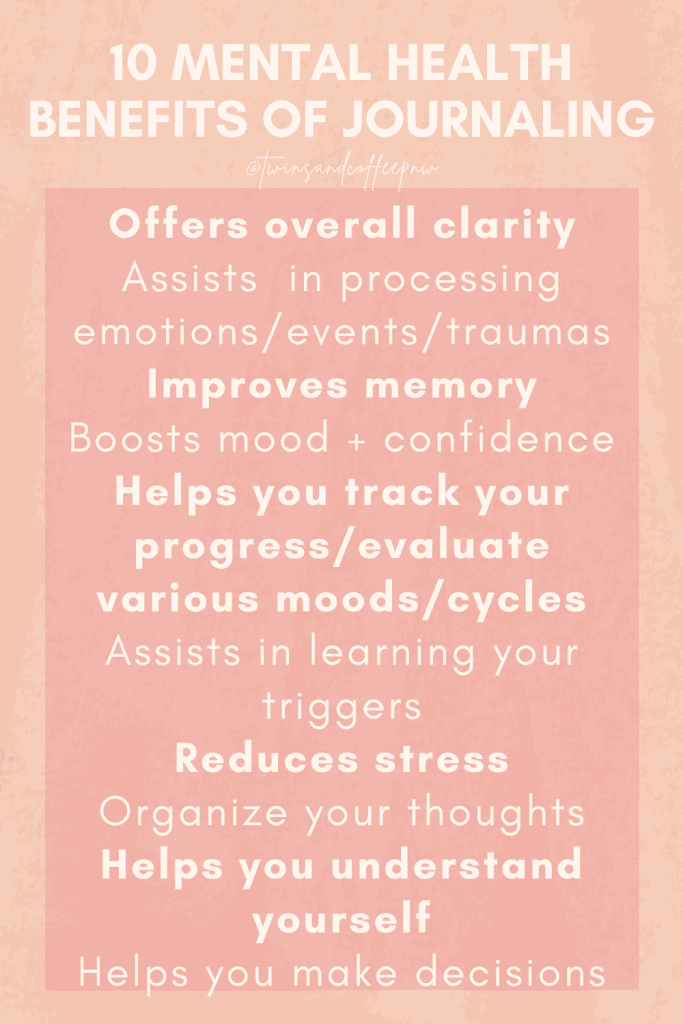
Welcome to an article that explores the wonderful benefits of journaling for your mental well-being. Taking the time to write down your thoughts and feelings can be a powerful tool in helping you navigate through life’s challenges and improve your overall mental health. From reducing stress and anxiety to increasing self-awareness and promoting emotional healing, journaling is a simple yet effective way to prioritize your mental well-being. So grab a notebook and pen, and start experiencing the positive impact that journaling can have on your life today. Have you ever considered starting a journal? Whether you’re looking to relieve stress, improve your mental health, or simply reflect on your thoughts and feelings, journaling can be a powerful tool for your overall well-being. In this article, we’ll explore the benefits of journaling for mental well-being and how you can incorporate this practice into your daily routine.
Why should you consider journaling?
Journaling is not just about writing down your thoughts; it’s about self-reflection, mindfulness, and self-expression. By taking the time to put your thoughts on paper, you can gain insights into your emotions, behaviors, and patterns that you may not have noticed before. Journaling can help you process difficult emotions, reduce stress, and improve your mood. It’s a safe space for you to explore your thoughts and feelings without fear of judgment.
How can journaling improve your mental well-being?
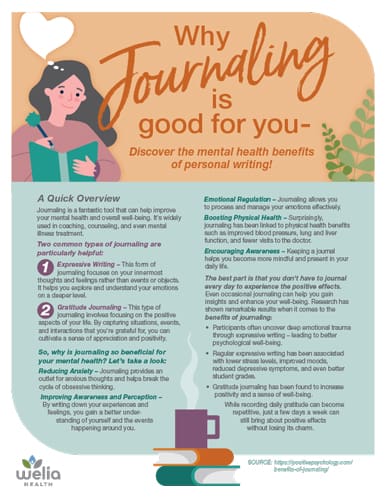
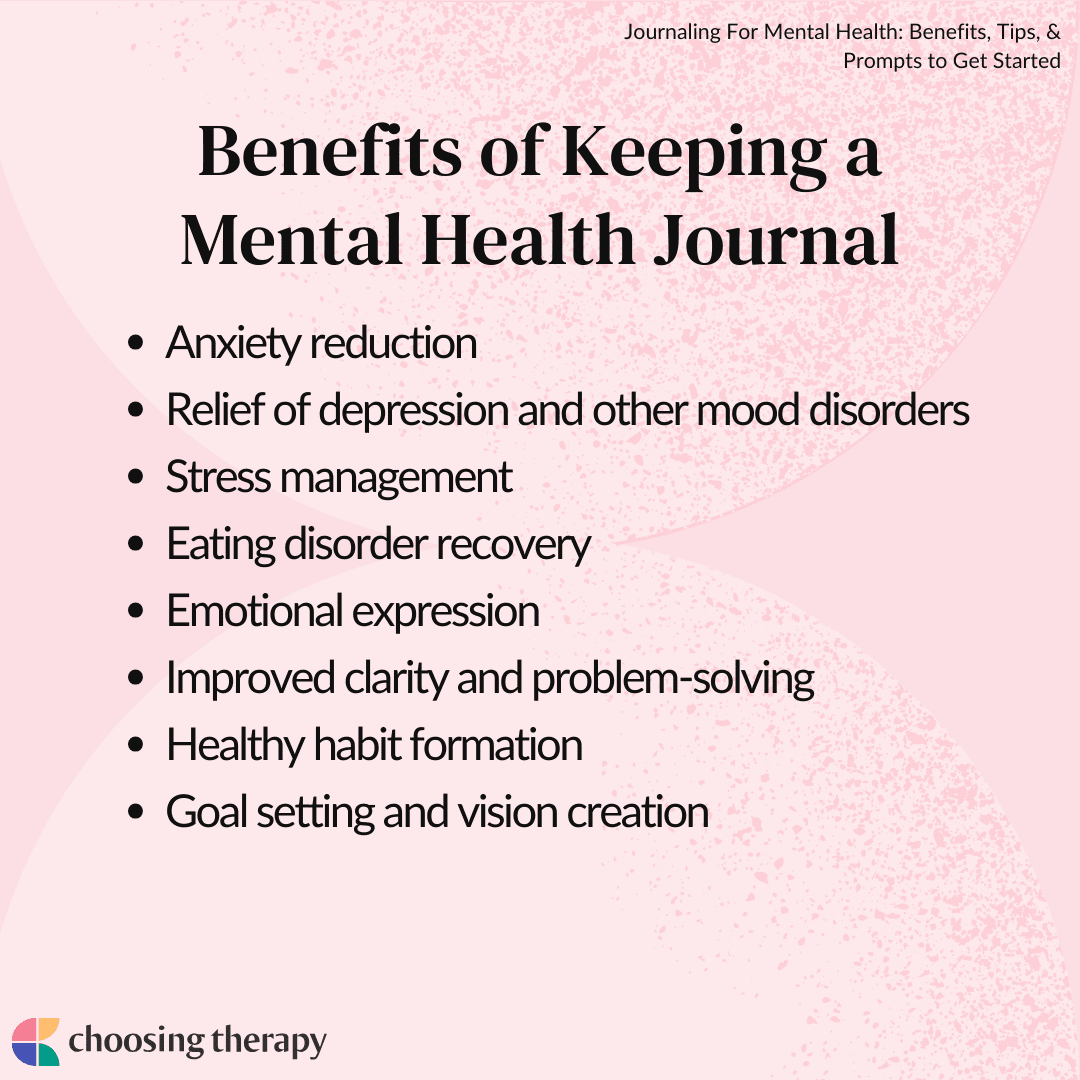
Journaling has been shown to have numerous benefits for mental health. Research has found that regular journaling can improve mood, reduce symptoms of anxiety and depression, and increase self-awareness. By putting your thoughts and feelings into words, you can gain clarity and perspective on your emotions, which can help you better understand and manage them. Journaling can also help you track your progress towards your goals, identify triggers for negative emotions, and develop healthy coping mechanisms.
The science behind journaling and mental health
The act of writing can have a therapeutic effect on the brain. When you write about your thoughts and feelings, you engage both the left and right hemispheres of your brain, which can help you process emotions more effectively. Writing about traumatic or stressful experiences has been shown to reduce symptoms of PTSD, improve mood, and boost overall mental well-being.
How does journaling help reduce stress and anxiety?
Journaling can be a powerful tool for managing stress and anxiety. By putting your worries and fears on paper, you can release pent-up emotions and gain a sense of control over your thoughts. Writing down your anxieties can help you identify patterns and triggers that contribute to your stress, allowing you to develop healthy coping strategies. Journaling can also help you reframe negative thoughts and cultivate a more positive outlook on life.

Different ways to journal for mental well-being
There are many ways to approach journaling, so it’s important to find a method that works best for you. Here are some different ways you can start journaling for mental well-being:
Daily gratitude journal
Keeping a daily gratitude journal can help you focus on the positive aspects of your life and cultivate a sense of appreciation. Each day, write down three things you’re grateful for, no matter how big or small. This practice can help shift your mindset from negativity to positivity and improve your overall mood.
Stream-of-consciousness journaling
Stream-of-consciousness journaling involves writing continuously without censoring or editing your thoughts. Simply let your thoughts flow onto the page without judgment. This type of journaling can help you explore your subconscious mind, process unresolved emotions, and tap into your creativity.
Mood tracking journal
A mood tracking journal can help you monitor your emotions, identify patterns, and track your mental well-being over time. Each day, write down how you’re feeling, any triggers that may have influenced your mood, and any coping strategies you used. This can help you better understand your emotions and develop strategies to manage them effectively.
Bullet journaling
Bullet journaling is a customizable organizational system that can help you track your goals, tasks, habits, and emotions in one place. By using symbols, lists, and charts, you can create a visual representation of your progress and priorities. Bullet journaling can help you stay organized, focused, and motivated to achieve your mental health goals.
Tips for starting and maintaining a journaling practice
If you’re new to journaling, getting started can feel overwhelming. Here are some tips to help you establish and maintain a journaling practice:
Set aside time each day
Choose a time of day that works best for you to journal, whether it’s in the morning, during your lunch break, or before bed. Consistency is key, so try to make journaling a daily habit to reap the full benefits.
Create a comfortable writing space
Find a quiet and comfortable space where you can write without distractions. Create a cozy atmosphere with your favorite notebook, pens, and any other supplies that inspire you to write.
Start small
If the idea of writing pages of text each day seems daunting, start small. Try setting a timer for 5-10 minutes and write as much as you can in that time. Remember, there’s no right or wrong way to journal, so don’t pressure yourself to write a certain amount.
Experiment with different journaling prompts
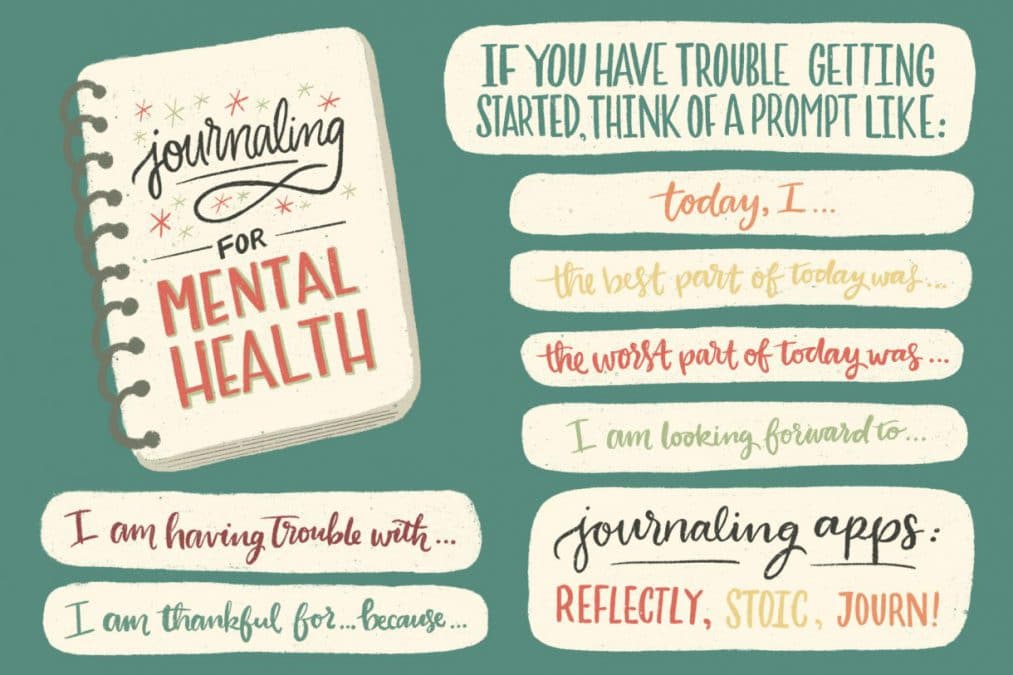
If you’re feeling stuck or unsure of what to write about, try using journaling prompts to spark your creativity. Prompts can help you explore different aspects of your thoughts and feelings, uncover new insights, and overcome writer’s block.
Be kind to yourself
Remember, journaling is a personal practice, so there’s no need to compare yourself to others or judge your writing. Be gentle with yourself, and allow your journal to be a safe space for self-expression and exploration.
Incorporating journaling into your daily routine
Now that you understand the benefits of journaling for mental well-being and have some tips for getting started, it’s time to incorporate this practice into your daily routine. Here are some ways you can make journaling a regular part of your day:
Create a journaling schedule
Set aside dedicated time each day for journaling, whether it’s in the morning, at lunchtime, or before bed. By establishing a routine, you can make journaling a priority and ensure that it becomes a habit.
Use journaling prompts
If you’re struggling to come up with things to write about, try using journaling prompts to guide your practice. Prompts can help you explore new topics, reflect on your emotions, and discover new insights about yourself.
Make it a mindfulness practice
Use journaling as a form of mindfulness by focusing on the present moment as you write. Take a few deep breaths before you start writing, and try to stay fully present with your thoughts and feelings as you put them on paper.
Reflect and review
Periodically review your journal entries to reflect on your progress, track your emotions, and identify any patterns or trends. This can help you gain insights into your mental well-being and make adjustments to your journaling practice as needed.
Celebrate your progress
Celebrate your achievements and milestones in your journal to acknowledge your growth and progress. Whether it’s reaching a goal, overcoming a challenge, or simply showing up to journal each day, take the time to pat yourself on the back for your efforts.
In conclusion, journaling can be a powerful tool for improving your mental well-being and overall quality of life. By taking the time to reflect on your thoughts and feelings, you can gain clarity, reduce stress, and develop a deeper understanding of yourself. Whether you’re new to journaling or have been practicing for years, there are endless ways to incorporate this practice into your daily routine. So grab your favorite notebook and pen, and start journaling your way to better mental health today.