

Are you looking for ways to stay active and maintain your health as you age? Look no further! In this article, we will explore the best exercise routines specifically designed to promote healthy aging. These routines are not only fun and enjoyable, but they also provide numerous benefits for both your physical and mental well-being. So, whether you’re a fitness enthusiast or new to exercise, these routines will help you stay strong, agile, and vibrant as you enter the golden years of your life. Get ready to discover the key to healthy aging through exercise!
Strength Training
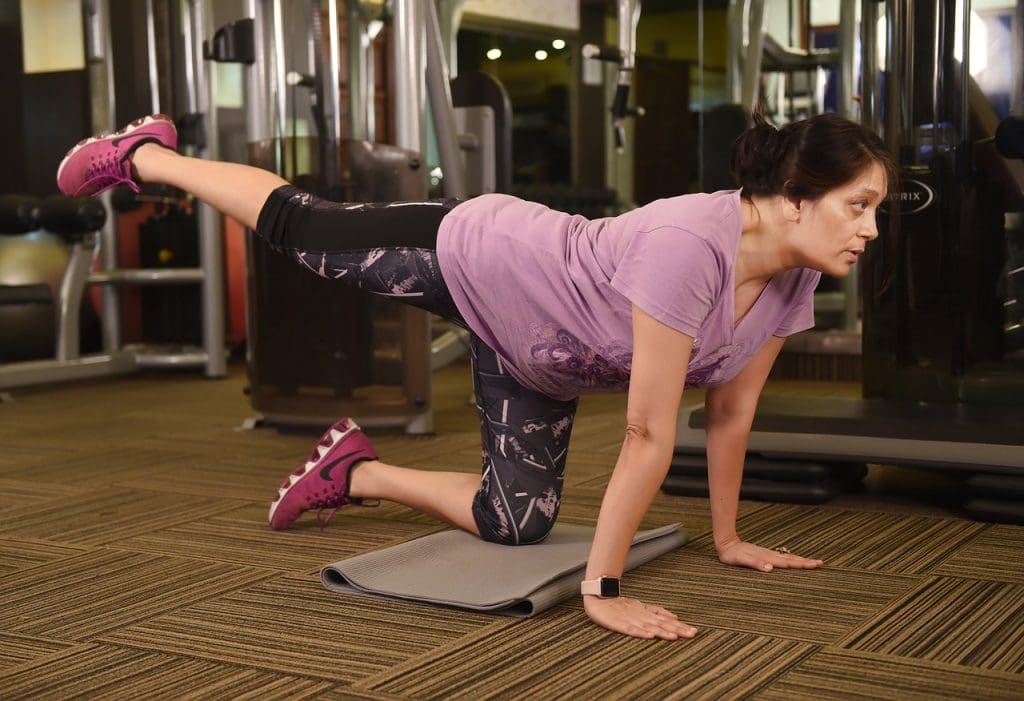
Strength training is an essential component of any exercise routine, especially for healthy aging. Not only does strength training help you build and maintain muscle mass, but it also offers a myriad of other benefits. Regular strength training exercises can improve your bone density, enhance your overall body composition, boost your metabolism, and increase your strength and endurance.
When it comes to strength training exercises, there are various options to choose from. Some of the most effective ones include weightlifting, resistance band exercises, bodyweight exercises, and using weight machines. Each type of exercise targets different muscle groups and can be adapted to your fitness level and preferences.
To reap the benefits of strength training, it is recommended to engage in these exercises at least two to three times per week. It is essential to allow your muscles to rest and recover in between sessions, so alternating the muscle groups you focus on each day is a wise approach. Remember, you don’t have to start with heavy weights or intense exercises right away. Start slowly, gradually increasing the weight and intensity as you build strength and confidence.
Safety should always be a priority during strength training. It is crucial to use proper form and technique to prevent injuries. If you are new to strength training, it may be beneficial to consult with a fitness professional or personal trainer to help you learn the exercises correctly and provide guidance on the appropriate weights and repetitions for your fitness level.
Cardiovascular Exercises
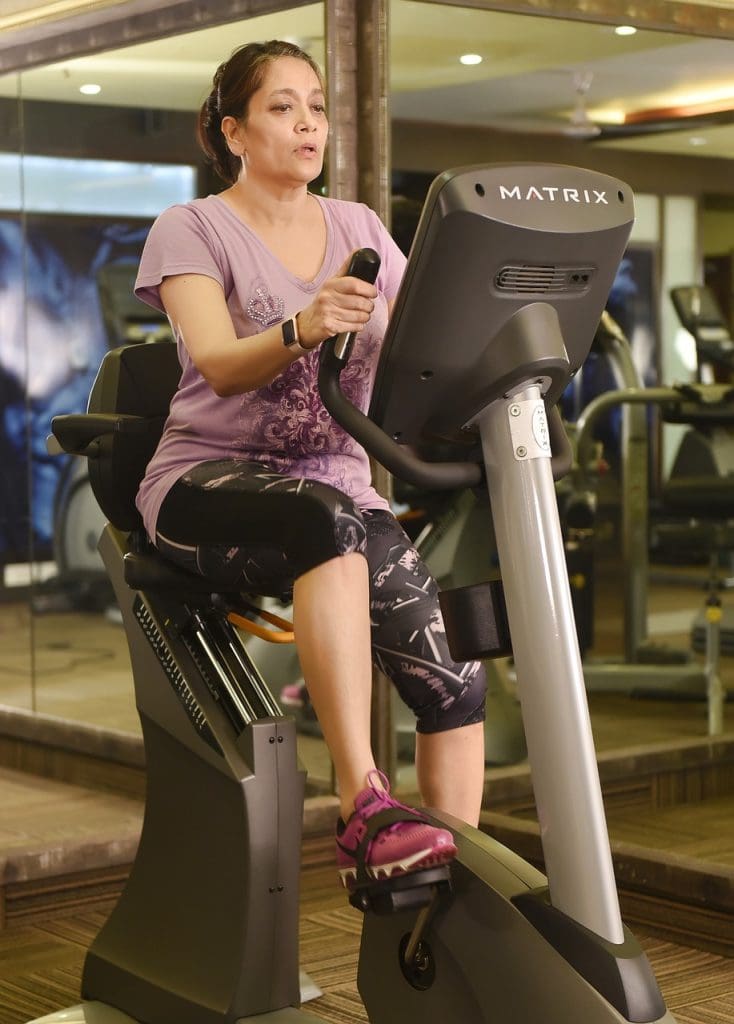
Cardiovascular exercises, also known as aerobic exercises, play a significant role in healthy aging. These exercises get your heart rate up, increase lung capacity, and improve overall cardiovascular health. Engaging in regular cardiovascular activities can also help manage weight, reduce the risk of chronic diseases, improve mental health, and boost stamina and energy levels.
There are various types of cardiovascular exercises to choose from, depending on your preferences and fitness level. Some popular options include walking, jogging, cycling, swimming, dancing, and using cardio machines like treadmills or ellipticals. The key is to find activities that you enjoy and that can be sustained for at least 30 minutes per session.
To maintain cardiovascular health, it is recommended to engage in moderate-intensity aerobic exercise for a minimum of 150 minutes per week. This can be divided into shorter sessions, such as 30 minutes, five days a week, or longer sessions if preferred. Additionally, incorporating high-intensity interval training (HIIT) into your routine can offer additional benefits and increase calorie burn.
Safety is crucial during cardiovascular exercises. Always warm up before starting any vigorous activity, and gradually increase the intensity. It is important to listen to your body and adjust the pace or duration accordingly. Stay hydrated, wear appropriate footwear and clothing, and consider exercising in safe environments to minimize the risk of injury.
Flexibility and Stretching
Flexibility and stretching exercises are often overlooked but are crucial for maintaining joint health and preventing muscle imbalances. These exercises involve stretching the muscles and tendons to improve range of motion, reduce muscle tightness, and enhance overall flexibility. Regular flexibility training can also aid in better posture, relieve muscle tension, and improve athletic performance.
There are different types of flexibility and stretching exercises to choose from, including static stretching, dynamic stretching, yoga poses, and Pilates movements. Each type has its benefits and can be incorporated into your routine based on your goals and preferences. It is essential to stretch all major muscle groups and hold each stretch for at least 30 seconds to achieve optimal results.
The frequency of flexibility and stretching exercises may vary depending on your needs and goals. Ideally, incorporating flexibility exercises into your daily routine would be beneficial. However, if time constraints exist, aim for at least two to three sessions per week. If you are new to stretching, start gently and gradually increase the intensity and duration of your stretches.
Safety is paramount when it comes to flexibility and stretching exercises. Always warm up your muscles before stretching to prevent injury. Avoid bouncing or jerking movements during static stretching, as this can strain the muscles. Listen to your body and respect your limitations, taking care not to overstretch. If you have any existing medical conditions or injuries, it is advisable to consult with a healthcare professional before starting a flexibility routine.
Balance and Stability Exercises
Maintaining good balance and stability becomes increasingly important as we age. Balance and stability exercises help improve proprioception, coordination, and overall body control, reducing the risk of falls and injuries. These exercises target the muscles involved in maintaining balance and can enhance mobility and confidence in daily activities.
Various types of exercises can help improve balance and stability. Some examples include single-leg stands, heel-to-toe walks, yoga poses like tree pose or warrior pose, and exercises that challenge stability on unstable surfaces like balance boards or wobble cushions. It is important to incorporate both static and dynamic exercises into your routine for well-rounded balance training.
To reap the benefits of balance and stability exercises, it is recommended to practice them at least two to three times per week. It is essential to focus on exercises targeting different areas, such as the lower body, core, and upper body, to develop overall stability. For beginners, starting with simple exercises and gradually progressing to more challenging ones is a suitable approach.
Safety is crucial during balance and stability exercises, especially for older adults. Always perform these exercises in a safe environment, preferably with a sturdy support nearby to hold onto if needed. Use caution and take your time when transitioning between poses or movements. If you have any balance-related concerns or medical conditions, consult with a healthcare professional before starting a balance training program.
Yoga and Pilates
Yoga and Pilates are two popular mind-body exercises that offer numerous benefits for healthy aging. These practices focus on connecting the mind and body, improving flexibility, strength, balance, and promoting overall relaxation and stress reduction. Both yoga and Pilates exercises can be modified to accommodate different fitness levels and abilities.
Yoga encompasses a wide range of poses, breathing exercises, and meditation techniques. It promotes flexibility, balance, core strength, and stress relief. There are various styles of yoga to choose from, such as Hatha, Vinyasa, and Yin Yoga. Attend a class or follow along with online videos to find a style that suits your needs.
Pilates, on the other hand, focuses on core strength, stability, and body awareness. It combines precise movements with controlled breathing and targets specific muscle groups, particularly the core muscles. Pilates exercises can be done on a mat or with the help of specialized equipment like a Pilates reformer or stability ball.
To experience the benefits of yoga and Pilates, aim to incorporate these practices into your routine at least two to three times per week. Attending classes or following along with guided videos can help you learn proper form and technique. It is important to listen to your body during these exercises and modify or skip any movements that cause discomfort or pain.
Safety is paramount during yoga and Pilates sessions. Always warm up before starting the exercises and avoid pushing yourself beyond your limits. If you have any existing medical conditions or injuries, consult with a healthcare professional or certified instructor to ensure the exercises are safe for you. Remember to stay hydrated and listen to your body’s signals throughout the practice.
Tai Chi and Qigong
Tai Chi and Qigong are ancient Chinese practices that offer numerous benefits for healthy aging. Both practices combine physical movements, deep breathing, and meditation to promote relaxation, balance, and overall well-being. Tai Chi and Qigong are gentle on the joints and can be suitable for individuals of all fitness levels and ages.
Tai Chi is characterized by slow, flowing movements that emphasize balance, coordination, and flexibility. It can improve muscle strength, joint mobility, and reduce stress levels. Qigong focuses more on deep breathing exercises and meditation techniques, aiming to cultivate and balance the body’s vital energy, or qi.
To experience the benefits of Tai Chi and Qigong, it is recommended to practice these exercises at least two to three times per week. Finding a qualified instructor or joining a class can help you learn the proper techniques and sequences. Tai Chi and Qigong can also be practiced at home with the help of instructional videos or books.
Safety is important during Tai Chi and Qigong practice. Always start by warming up your body and stretch gently before beginning the exercises. Pay attention to your posture and alignment throughout the movements, and listen to your body’s cues. Take breaks as needed, and consult with a healthcare professional if you have any concerns or medical conditions.
Aquatic Exercises
Aquatic exercises offer a unique and beneficial way to stay active and promote healthy aging. Exercising in water provides buoyancy and reduces the impact on joints, making it an ideal choice for individuals with arthritis, joint pain, or limited mobility. Aquatic exercises also provide resistance, challenging the muscles and cardiovascular system.
There are various types of aquatic exercises to choose from, depending on your preferences and abilities. Water walking or jogging, swimming laps, water aerobics classes, and water resistance training are all excellent options. Many fitness centers offer specialized aquatic exercise classes designed for older adults.
To enjoy the benefits of aquatic exercises, aim for at least two to three sessions per week. Start with a warm-up, such as walking or gentle swimming, to get your muscles warmed up. Gradually increase the intensity and duration of your workouts as you gain strength and confidence. It is essential to listen to your body and take breaks as needed.
Safety is crucial during aquatic exercises. Ensure the water depth is appropriate for your height and ability. Use flotation devices or swim aids if necessary, especially if you are not a confident swimmer. Follow any safety guidelines provided in classes or by aquatic fitness professionals. If you have any pre-existing medical conditions or concerns, consult with a healthcare professional before starting aquatic exercise.
Low-Impact Exercises
Low-impact exercises offer a gentle yet effective way to stay active and promote healthy aging. These exercises minimize stress on the joints while providing cardiovascular benefits and improving muscle tone and flexibility. Low-impact exercises are ideal for individuals with joint issues, arthritis, or those who prefer a less intense workout.
There are various types of low-impact exercises to choose from, including walking, cycling, using an elliptical machine, rowing, and low-impact aerobics classes. These exercises can be modified to suit your fitness level and can be easily incorporated into your daily routine.
To reap the benefits of low-impact exercises, aim for at least 150 minutes of moderate-intensity aerobic activity per week. This can be divided into shorter sessions of 30 minutes, five days a week. Incorporating strength training exercises that focus on different muscle groups is also beneficial. Listen to your body and adjust the intensity or duration of your workouts as needed.
Safety is essential during low-impact exercises, particularly if you have joint issues or injuries. Warm up before starting any exercise to prepare your muscles and joints. Use proper footwear with adequate support and cushioning. Pay attention to your form and technique to avoid placing unnecessary stress on your joints. If you experience any pain or discomfort, modify or stop the exercise and consult with a healthcare professional.
Mind-Body Exercises
Mind-body exercises focus on the connection between the mind and body, promoting relaxation, stress reduction, and overall well-being. These exercises incorporate movement, breathing techniques, and meditation to improve mental focus, mindfulness, and physical health. Mind-body exercises are beneficial for individuals of all ages and fitness levels.
There are various types of mind-body exercises to choose from, including yoga, Pilates, tai chi, qigong, and meditation practices. Each exercise has its own unique benefits and can be tailored to meet individual needs and preferences. It is important to explore different options and find the practices that resonate with you.
To experience the benefits of mind-body exercises, aim to incorporate them into your routine at least two to three times per week. Find a quiet and peaceful environment where you can fully engage in the practices without distractions. Set aside dedicated time for yourself to focus on your mental and physical well-being.
Safety is an important factor during mind-body exercises. Always warm up your body before starting any movements, and listen to your body’s signals throughout the practice. If you have any existing medical conditions or concerns, consult with a healthcare professional to determine the most suitable exercises and modifications for you. Remember to take it easy and allow yourself to fully relax and unwind during these exercises.
Group Classes and Social Activities
Participating in group classes and social activities can have numerous benefits for healthy aging. These activities provide opportunities for social interaction, emotional support, and maintaining an active and engaged lifestyle. Engaging in group classes and social activities can enhance mental well-being, reduce loneliness, and promote a sense of community.
There are various types of group classes and social activities to consider, depending on your interests and preferences. Joining fitness classes, dance classes, book clubs, volunteer groups, or participating in organized sports or hobbies can all provide opportunities to socialize and stay active. Many community centers and organizations offer tailored programs for older adults.
To fully experience the benefits of group classes and social activities, aim to participate in these activities on a regular basis. This could involve attending a fitness class a few times a week, joining a sports team, or scheduling regular social outings with friends or like-minded individuals. Find activities that align with your interests and provide both physical and social stimulation.
Safety considerations may vary depending on the specific activity. While participating in group classes or social activities, it is important to follow any safety guidelines provided by instructors or organizers. Listen to your body and respect your limitations. If you have any medical conditions, consult with a healthcare professional to ensure your chosen activities are suitable for you. Remember to have fun and enjoy the social aspect of these activities along with the physical benefits.
In conclusion, incorporating a variety of exercise routines into your lifestyle is crucial for healthy aging. Strength training, cardiovascular exercises, flexibility and stretching exercises, balance and stability exercises, mind-body exercises, and engaging in social activities are all important components of a well-rounded exercise routine. Each type of exercise offers unique benefits for physical, mental, and emotional health. Remember to listen to your body, start slowly, and consult with healthcare professionals or fitness experts if needed. Stay motivated, have fun, and enjoy the journey to healthy aging through regular exercise.