
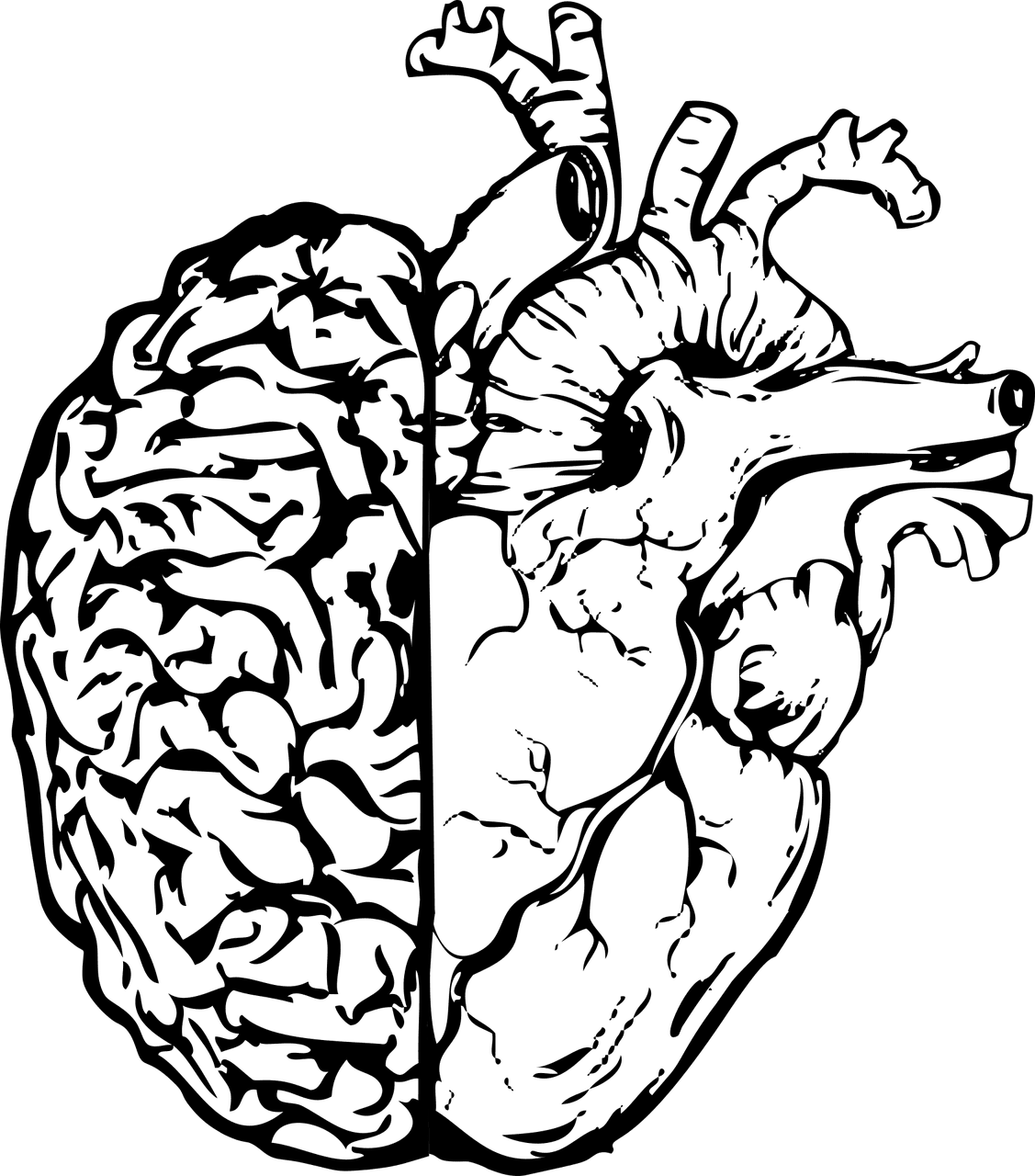
In today’s fast-paced and demanding world, it is crucial to prioritize our mental well-being. The importance of preventive mental health interventions cannot be overstated, as they play a vital role in promoting positive mental health and preventing the onset of more serious issues. By taking proactive steps to manage stress, build resilience, and seek support when needed, we can safeguard our mental well-being and lead happier, healthier lives. In this article, we’ll explore why preventive mental health interventions are so crucial and how they can make a significant difference in our overall well-being.
1. Prevalence of Mental Health Issues
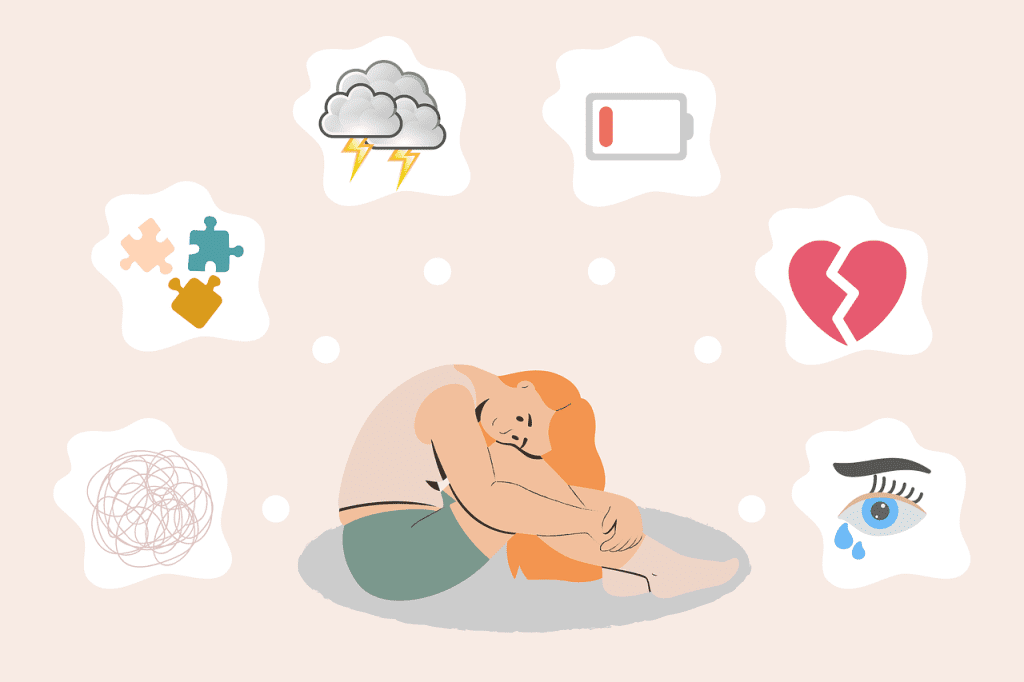
Mental health issues are becoming increasingly prevalent in today’s society. More and more people are struggling with conditions such as anxiety, depression, and stress-related disorders. According to recent studies, the rates of mental health problems are on the rise, affecting individuals of all ages and backgrounds.
1.1 Rising rates of mental health problems
One alarming trend is the increase in mental health problems among young people. Adolescents and teenagers are particularly susceptible to conditions like depression and anxiety, which can have long-lasting effects on their overall well-being. The pressures of modern life, including academic expectations, social media influences, and the constant bombardment of information, can contribute to the rising rates of mental health issues in this age group.
1.2 Impact on individuals, families, and communities
Mental health issues not only affect individuals but also have a significant impact on their families and communities. When a person is experiencing mental health challenges, their relationships may be strained, and their ability to function in daily life may be compromised. This can lead to a ripple effect, impacting the emotional well-being of family members and even the productivity and harmony within communities. It is crucial to address these issues proactively to prevent further negative consequences.
2. Definition and Benefits of Preventive Mental Health Interventions
2.1 Definition of preventive mental health interventions
Preventive mental health interventions refer to proactive measures aimed at reducing the risk, preventing the onset, or minimizing the impact of mental health issues. These interventions focus on identifying and addressing potential problems before they escalate into more severe conditions. The goal is to promote mental well-being, enhance resilience, and prevent the development of mental health disorders.
2.2 Benefits of preventive approach
Adopting a preventive approach in mental health has numerous benefits. By addressing mental health issues at an early stage, preventive interventions can potentially reduce the severity and duration of symptoms. They can also improve the long-term prognosis and overall quality of life for individuals. In addition, preventive measures can help reduce the burden on mental health services, as fewer people may require intensive treatment if their issues are detected and addressed early on.
3. Early Identification and Intervention
3.1 Importance of early identification
Early identification of mental health issues is crucial in preventing their escalation and reducing their impact. Recognizing warning signs and symptoms allows for timely intervention and support. Many mental health conditions, when left unaddressed, can worsen over time, leading to more significant challenges and potential long-term consequences. By identifying these issues early on, individuals can receive the necessary help and support, increasing the likelihood of successful outcomes.
3.2 Benefits of early intervention
Early intervention can yield a range of benefits, not only for individuals but also for families and communities. It can help minimize the disruption caused by mental health issues in daily life, allowing individuals to continue their regular activities and relationships with as little interference as possible. Early intervention also offers a higher chance of successful treatment and recovery, as it enables individuals to access appropriate resources and support at the earliest stage of their condition.
4. Reducing Stigma and Promoting Mental Health
4.1 Addressing stigma associated with mental health
One significant barrier to preventive mental health interventions is the stigma surrounding mental health issues. Many individuals may hesitate to seek help due to fears of judgment, discrimination, or a mistaken belief that their struggles are a sign of weakness. It is essential to address this stigma and create an environment that encourages open discussion and support. By normalizing conversations about mental health and fostering understanding, individuals are more likely to seek help when needed.
4.2 Promoting mental health and well-being
In addition to reducing stigma, promoting mental health and well-being is an important aspect of preventive interventions. This involves providing education and resources that enable individuals to take proactive steps towards maintaining their mental well-being. Encouraging healthy lifestyle habits, fostering social connections, and promoting self-care practices can all contribute to a positive mental state and reduce the risk of developing mental health issues.
5. Enhancing Resilience and Coping Skills
5.1 Building resilience to prevent mental health issues
Resilience plays a vital role in preventing the onset of mental health problems. Building resilience involves developing the ability to adapt and bounce back from adversity. By enhancing individuals’ capacity to cope with life’s challenges, preventive interventions can reduce the impact of stressors and prevent the escalation of mental health issues. Resilience can be nurtured through various strategies, including building social support networks, fostering positive thinking patterns, and promoting problem-solving skills.
5.2 Developing effective coping strategies
Equipping individuals with effective coping strategies is another essential component of preventive mental health interventions. Coping skills help individuals manage stress, regulate their emotions, and navigate difficult situations. By teaching individuals healthier ways to cope, such as engaging in regular physical activity, practicing mindfulness, or seeking professional support when needed, preventive interventions can empower individuals to overcome challenges before they develop into more significant mental health concerns.
6. Promoting Emotional Regulation
6.1 Importance of emotional regulation in preventing mental health problems
Emotional regulation refers to the ability to manage and express emotions in a healthy and constructive manner. Difficulties in emotional regulation can contribute to the development of mental health problems such as anxiety and depression. Preventive interventions focus on promoting emotional regulation skills as a means of preventing the escalation of emotional distress. By providing individuals with tools and techniques to identify and regulate their emotions, mental health issues can be mitigated or prevented.
6.2 Teaching emotional regulation techniques
Preventive mental health interventions often involve teaching individuals a range of emotional regulation techniques. These may include mindfulness exercises, breathing techniques, or cognitive-behavioral strategies. By practicing and implementing these techniques, individuals can develop greater self-awareness and the ability to manage their emotional responses effectively. These skills not only prevent the onset of mental health issues but also promote overall well-being and a positive outlook on life.

7. Preventing Substance Abuse and Addiction
7.1 Connection between mental health and substance abuse
There is a strong link between mental health issues and substance abuse or addiction. Many individuals turn to drugs or alcohol as a way to cope with emotional distress or manage symptoms of their mental health conditions. However, substance abuse only exacerbates these problems, leading to a vicious cycle of addiction and worsening mental health. Preventive interventions aim to address this connection by promoting healthy coping mechanisms and providing resources for individuals to seek help without resorting to substance abuse.
7.2 Strategies for preventing substance abuse and addiction
Preventive strategies to combat substance abuse and addiction involve education, awareness, and support. By educating individuals about the risks of substance abuse and the potential impact on mental health, preventive interventions can empower individuals to make informed choices. Additionally, creating support networks and ensuring access to addiction treatment and counseling can help individuals receive the necessary support to overcome substance abuse issues and prevent the development of mental health problems.
8. Improving Academic and Occupational Success
8.1 Impact of mental health on academic and occupational performance
Mental health issues can have a significant impact on academic and occupational success. Conditions such as anxiety, depression, and stress-related disorders can hinder an individual’s ability to concentrate, engage, and perform at their best. Preventive interventions that address mental health concerns early on can help individuals maintain their academic and occupational trajectories by providing appropriate support and guidance. This can lead to improved productivity, increased job satisfaction, and better overall outcomes.
8.2 Preventive interventions for better outcomes
Preventive interventions focused on improving academic and occupational success may include strategies such as stress management workshops, mental health support in educational settings, and workplace programs aimed at reducing burnout. By proactively addressing mental health issues and implementing targeted interventions, individuals can receive the necessary support to thrive academically and professionally. This not only benefits individuals but also contributes to a healthier and more productive society as a whole.
9. Economic Benefits of Preventive Interventions
9.1 Cost-effectiveness of preventive measures
Investing in preventive mental health interventions is not only beneficial from a health perspective but also from an economic standpoint. Research has shown that preventive measures are cost-effective in the long run. By addressing mental health issues proactively, individuals are less likely to require expensive, intensive treatments or hospitalization. Preventive interventions can help minimize the financial burden on healthcare systems by reducing the need for costly interventions in the future.
9.2 Savings in healthcare expenses
In addition to cost-effectiveness, preventive interventions can contribute to substantial savings in healthcare expenses. Early identification and intervention can prevent the progression of mental health issues, reducing the need for long-term treatment and ongoing medical care. By focusing on prevention and promoting mental well-being, healthcare systems can allocate their resources more effectively and efficiently, benefiting both individuals and the overall economy.
10. Holistic Approach to Mental Health
10.1 Integrating physical, mental, and social well-being
A holistic approach to mental health recognizes that physical, mental, and social well-being are interconnected. Preventive mental health interventions should consider and address these various dimensions of overall well-being. By promoting a balanced lifestyle, fostering healthy relationships, and encouraging self-care practices that encompass physical and mental health, preventive interventions can have a more comprehensive and lasting impact.
10.2 Importance of comprehensive preventive interventions
Comprehensive preventive interventions take into account the multifaceted nature of mental health and aim to address various aspects simultaneously. By incorporating strategies for early identification, reducing stigma, enhancing resilience, promoting emotional regulation, preventing substance abuse, improving academic and occupational success, and considering the economic benefits, a comprehensive approach can achieve optimal outcomes in mental health prevention. It is essential to recognize the interconnectedness of these factors and implement preventive measures that account for the whole individual.
In conclusion, the importance of preventive mental health interventions cannot be overstated. By addressing mental health issues proactively, through interventions that focus on early identification, reducing stigma, enhancing resilience, promoting emotional regulation, preventing substance abuse, and improving academic and occupational success, individuals, families, and communities can experience improved overall well-being. These comprehensive preventive measures not only have a positive impact on individuals’ lives but also contribute to cost savings in healthcare and the wider economy. By prioritizing mental health and adopting a holistic approach, we can create a society that values and supports mental well-being for all.