

You know that feeling when you push yourself during a workout and afterwards you can barely move? Well, incorporating stretching into your exercise routine can make a world of difference. Whether you’re a seasoned athlete or just starting out, stretching before and after exercise is crucial for maximizing your performance and preventing injuries. In this article, we’ll explore the importance of incorporating stretching into your fitness regimen and how it can positively impact your overall health and well-being. So grab your yoga mat and let’s get stretching!
Benefits of Stretching
Stretching is an essential component of any exercise routine, as it offers a wide range of benefits for both your physical health and overall well-being. By incorporating stretching into your fitness regimen, you can experience increased flexibility, improved range of motion, enhanced performance, and a reduced risk of injury.
Increased Flexibility
Stretching helps to improve flexibility by increasing the length of your muscles and tendons. This increased flexibility allows for a greater range of motion in joints, making it easier to perform daily activities and exercise movements. By incorporating regular stretching into your routine, you can gradually improve your flexibility over time.
Improved Range of Motion
When you stretch regularly, the muscles and tendons surrounding your joints become more flexible. This increased flexibility allows your joints to move freely and with a greater range of motion. Improved range of motion not only makes daily activities easier, but it also enhances your ability to perform exercises and sports movements effectively.
Enhanced Performance
Stretching before exercise can significantly enhance your overall performance. By stretching your muscles, you increase blood flow, improve oxygen delivery, and activate nerve signals, which all contribute to optimal muscle function. With enhanced performance, you can achieve better results during your workouts and sports activities, ultimately helping you reach your fitness goals more efficiently.
Reduced Risk of Injury
Engaging in regular stretching can significantly reduce the risk of injuries during exercise or any physical activity. Stretching helps to improve the elasticity of muscles and tendons, making them more resistant to stress and strain. When your muscles and tendons are looser and more flexible, they can better handle sudden movements, twists, or impacts, minimizing the risk of strains, sprains, and other injuries.
Pre-workout Stretching
Pre-workout stretching is an essential part of any exercise routine, as it prepares your muscles and increases blood flow to your working muscles. By incorporating pre-workout stretching into your fitness regimen, you can optimize your performance and minimize the risk of injury.
Increases Blood Flow to Muscles
When you engage in pre-workout stretching, you stimulate blood flow to the muscles you’ll be using during your workout. This increased blood flow delivers oxygen and nutrients to the muscles, helping them prepare for the upcoming physical activity. Improved blood flow also assists in warming up the muscles, making them more pliable and less prone to injury.
Prepares Muscles for Exercise
Pre-workout stretching helps to prepare your muscles for the demands of exercise. By stretching before your workout, you can increase the temperature of your muscles, making them more elastic and responsive to movement. This preparation allows your muscles to contract and relax more efficiently, improving your overall performance and reducing the risk of strains or pulls.

Types of Pre-workout Stretches
There are two primary types of pre-workout stretches: static stretching and dynamic stretching. Both types have their benefits and can be incorporated into your warm-up routine depending on your specific needs and preferences.
Static Stretching
Static stretching involves holding a stretch for a prolonged period without any movement. This type of stretching aims to stretch the muscles and increase their flexibility gradually. It is usually done after a warm-up and before the main workout, as it helps to relax muscles and improve overall flexibility.
Dynamic Stretching
Dynamic stretching involves moving parts of your body through a full range of motion, mimicking the movements you’ll be performing during your workout. Unlike static stretching, dynamic stretching focuses on increasing muscle temperature, loosening the joints, and improving mobility. Dynamic stretching is typically performed as part of the warm-up routine, preparing the body for the upcoming exercise.
Static Stretching Techniques
Static stretching techniques involve holding various positions to target specific muscles and muscle groups. By incorporating static stretching into your warm-up routine, you can increase flexibility and prepare your muscles for the upcoming workout.
Hold and Release
One common static stretching technique is the hold and release method. This technique involves stretching a specific muscle or muscle group and holding the position for 20-30 seconds. After holding, you release the stretch and repeat on the other side if necessary. This technique is effective for targeting larger muscle groups, such as the quadriceps, hamstrings, or chest muscles.
Joint Stretches
Another static stretching technique focuses on stretching the joints. This technique involves gently moving your joints through their full range of motion, holding each position for a few seconds. Joint stretches help to improve mobility, reduce stiffness, and prepare your joints for the upcoming exercise. Examples of joint stretches include wrist circles, ankle rotations, and neck rotations.

Dynamic Stretching Techniques
Dynamic stretching techniques involve moving parts of your body through a full range of motion, gently stretching the muscles and preparing them for the upcoming physical activity. By incorporating dynamic stretching into your warm-up routine, you can improve muscle temperature, increase blood flow, and enhance overall performance.
Leg Swings
Leg swings are a popular dynamic stretching technique that targets the hips and leg muscles. To perform leg swings, stand next to a wall or some support, and swing one leg forward and backward while keeping the other leg straight. Repeat this motion for about 10-15 swings on each leg. Leg swings help to improve hip mobility, increase blood flow, and warm up the leg muscles before exercises like running or squatting.
Arm Circles
Arm circles are an effective dynamic stretching technique that targets the shoulder and arm muscles. Stand with your feet shoulder-width apart and extend your arms out to the sides. Begin making small circles with your arms, gradually increasing the size of the circles. After a few rotations, switch directions. Arm circles help to improve shoulder mobility, increase blood flow, and prepare the upper body for exercises involving the arms and shoulders.
Walking Lunges
Walking lunges are a dynamic stretching technique that targets the lower body, particularly the quadriceps, hamstrings, and glutes. To perform walking lunges, take a step forward with your right leg, bending both knees into a lunge position. Push off with your front leg, bringing your back leg forward, and repeat with the opposite leg. Walking lunges help to increase hip mobility, stretch the leg muscles, and activate the lower body before exercises like lunges, squats, or running.
Post-workout Stretching
While pre-workout stretching is crucial, post-workout stretching is equally important in promoting muscle recovery and reducing muscle soreness. Engaging in post-workout stretching allows your muscles to cool down gradually and recover more effectively.
Improves Muscle Recovery
Post-workout stretching plays a significant role in muscle recovery by promoting circulation and removing waste products, such as lactic acid, from your muscles. This enhanced blood flow and circulation can expedite the recovery process, helping to reduce muscle soreness and fatigue. By stretching after your workout, you give your muscles the opportunity to repair and rebuild, ultimately resulting in improved strength and endurance.
Reduces Muscle Soreness
Stretching after exercise can help alleviate muscle soreness, also known as delayed onset muscle soreness (DOMS). DOMS occurs due to microscopic damage to muscle fibers during intense exercise. Post-workout stretching helps to increase blood flow to the muscles, reducing inflammation and flushing out the byproducts of exercise that may contribute to soreness. By incorporating post-workout stretching into your routine, you can minimize muscle soreness and recover more efficiently.
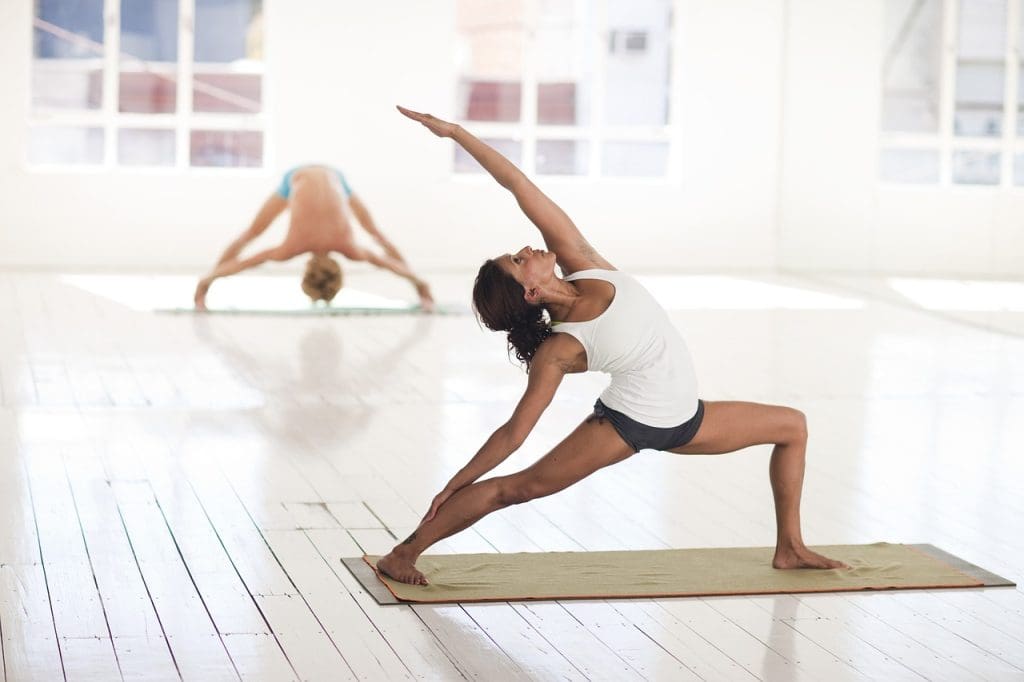
Cool Down Exercises
In addition to post-workout stretching, cool-down exercises are an essential part of any exercise routine. Cool-down exercises allow your body to gradually return to its resting state, preventing dizziness, muscle cramps, and injury. By incorporating appropriate cool-down exercises, you can help your body recover and relax after intense physical activity.
Gentle Cardiovascular Exercise
Engaging in gentle cardiovascular exercise, such as brisk walking or slow jogging, during your cool-down helps to gradually lower your heart rate and circulation. This gradual reduction in heart rate allows your body to transition from the elevated state during exercise to a more relaxed state. Gentle cardiovascular exercise during the cool-down also helps to keep blood flowing and aids in the removal of waste products from your muscles.
Active Stretching
Active stretching during the cool-down phase involves performing stretches that mimic the exercises or movements you performed during your workout. By engaging in active stretching, you can continue to improve flexibility and maintain mobility while allowing your muscles to cool down. Active stretching can target specific muscle groups or involve full-body movements, depending on your workout routine.
Stretching Tips
To maximize the benefits of stretching and minimize the risk of injury, it’s essential to follow these stretching tips:
Warm up before stretching
Before engaging in any stretching exercises, it’s important to warm up your body with five to ten minutes of light cardiovascular exercise. This warm-up activity increases blood flow, raises core body temperature, and prepares your muscles for stretching.
Avoid bouncing or jerking movements
When performing stretching exercises, it’s crucial to avoid bouncing or jerking movements, as these can lead to muscle strains or injuries. Instead, focus on slow, controlled movements, and gradually increase the intensity of the stretch. Bouncing or jerking movements can cause muscle fibers to overstretch and increase the risk of injury.
Breathe deeply and relax during stretches
While stretching, it’s important to maintain a relaxed and deep breathing pattern. Deep breathing helps to increase oxygen flow to your muscles, promoting relaxation and maintaining a steady stretch. Avoid holding your breath during stretches, as it can increase tension and prevent muscles from fully relaxing.
Focus on major muscle groups
When stretching, it’s beneficial to focus on major muscle groups, such as the hamstrings, quadriceps, calves, shoulders, chest, and back. These muscles are often the most prone to tightness and can benefit the most from regular stretching. However, it’s essential to stretch all muscle groups throughout your body to maintain overall flexibility and balance.
Don’t overstretch
While stretching, never push yourself to the point of pain or discomfort. Stretching should feel gentle and relaxing, not painful. Gradually increase the intensity of your stretches over time, but always listen to your body’s limitations. Overstretching can lead to muscle strains, tears, or other injuries.
Stretching Precautions
While stretching offers numerous benefits, it’s essential to take precautions and seek medical advice if necessary. Here are some precautions to consider:
Not suitable for certain injuries or conditions
If you have certain injuries or medical conditions, stretching may not be suitable or may require modification. For example, if you have a recent muscle strain or sprain, it’s important to consult with a healthcare professional before engaging in stretching exercises. They can provide guidance on which stretches are safe and beneficial for your specific condition.
Consult with a healthcare professional
If you have any concerns about stretching or if you have pre-existing medical conditions, it’s always advisable to consult with a healthcare professional. They can assess your individual needs and provide personalized guidance on stretching techniques, frequency, and intensity.
Conclusion
In conclusion, stretching is a crucial part of any exercise routine, offering a wide range of benefits for both performance and recovery. By incorporating pre-workout stretching, you can increase flexibility, improve range of motion, enhance performance, and reduce the risk of injury. Post-workout stretching aids in muscle recovery and reduces muscle soreness. By incorporating appropriate cool-down exercises, you can help your body gradually return to its resting state and prevent injury. Following stretching tips and taking necessary precautions ensures that you can enjoy the full benefits of stretching while minimizing the risk of injury. So, make stretching a regular part of your exercise routine and reap the many rewards it has to offer.