Are you tired of hearing about the latest fad diets that promise quick and effortless weight loss? Well, get ready to uncover the truth behind these popular trends. In this eye-opening article, we will explore the realities of fad diets and provide you with the essential information you need to make informed decisions about your health and well-being. From debunking common myths to highlighting the potential risks, we’ll arm you with the knowledge to separate fact from fiction when it comes to these trending diets. So, get ready to discover the truth about fad diets and gain the tools to make healthier choices for a sustainable lifestyle.
Understanding Fad Diets
Definition of fad diets
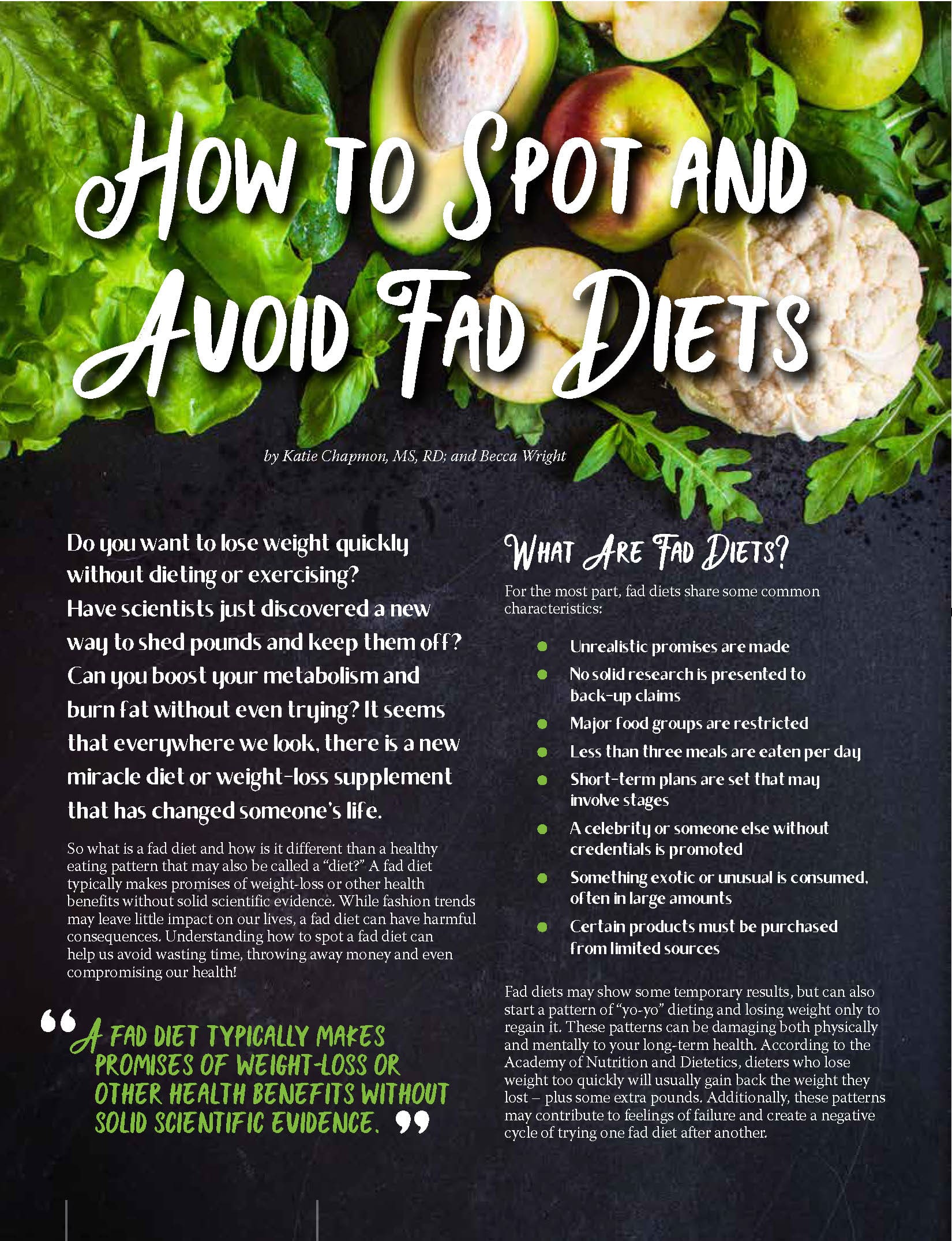
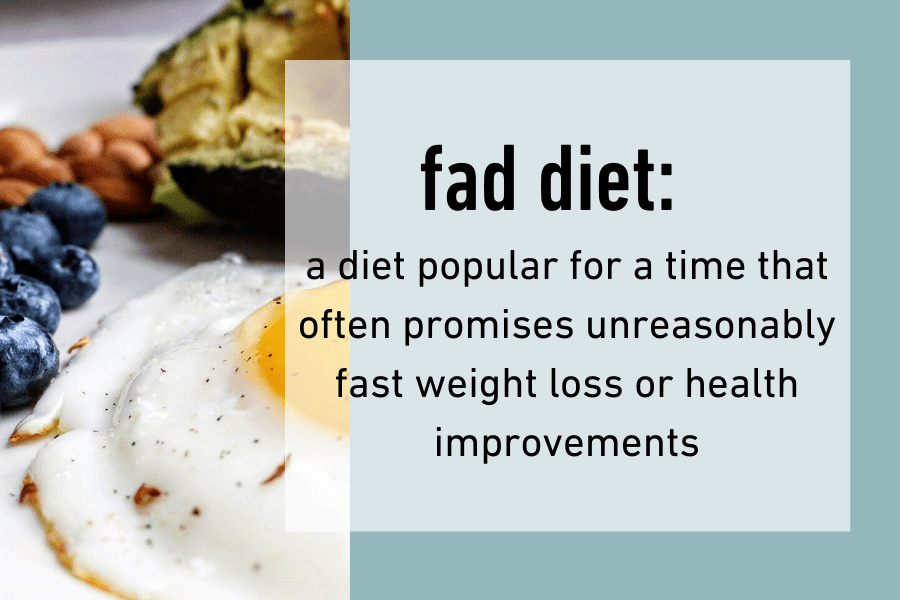
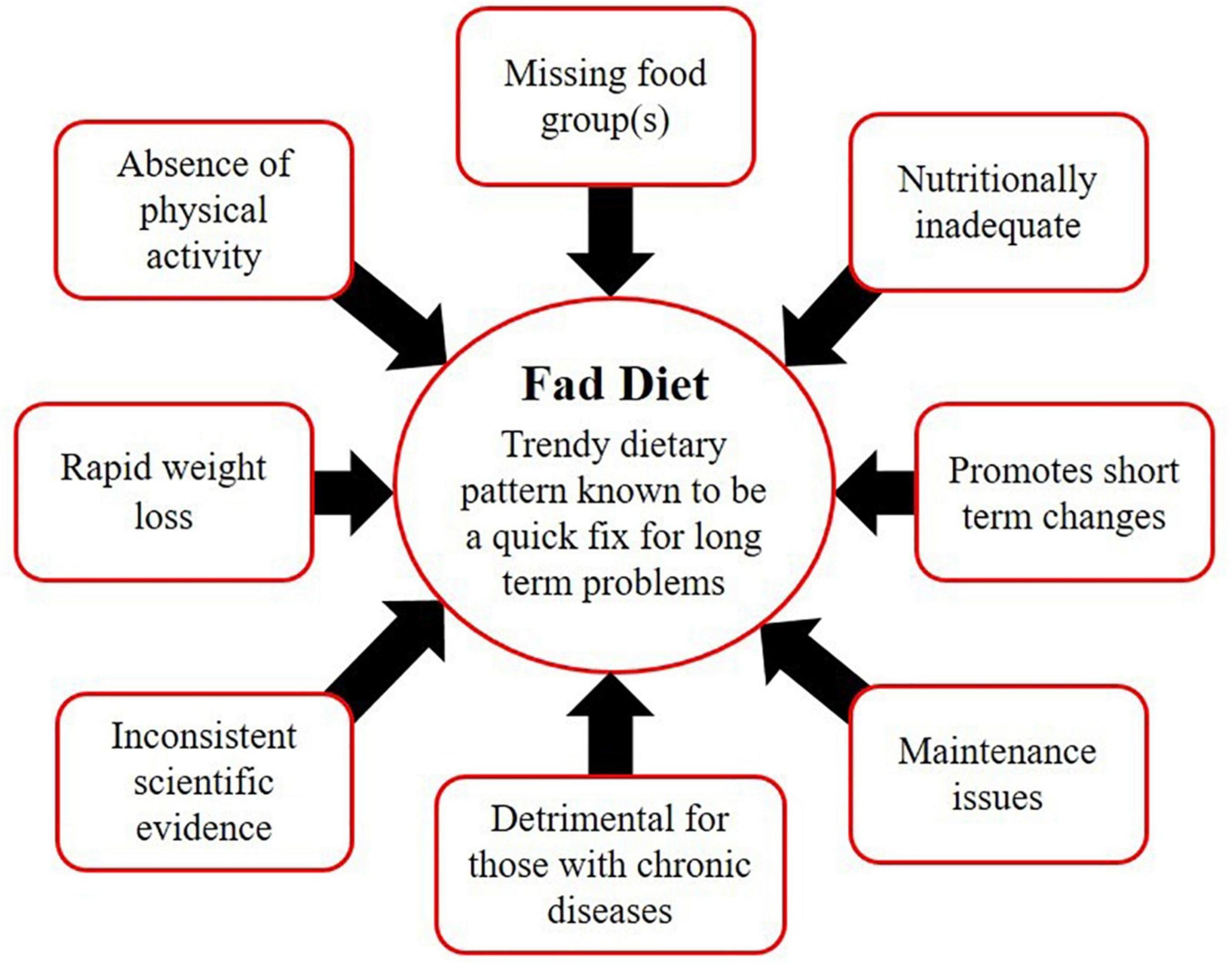
Fad diets can be defined as weight loss plans or diets that gain sudden popularity, promising quick results through restrictive eating patterns. These diets often focus on eliminating or severely limiting certain food groups, promoting rapid weight loss without considering long-term sustainability or overall health.
Why fad diets gain popularity
Fad diets tend to gain popularity for several reasons. Firstly, the allure of quick weight loss and the promise of achieving desired results in a short span of time can be appealing to many individuals. In a society that values instant gratification, fad diets offer a seemingly attractive solution.
Secondly, the endorsement and promotion of fad diets by celebrities or influencers can greatly contribute to their popularity. When influential figures claim to have achieved significant weight loss through a particular diet, many people may feel compelled to try it themselves.
Additionally, the widespread availability of information through the internet and social media platforms plays a significant role in boosting the popularity of fad diets. With countless testimonials and success stories readily accessible, individuals may be enticed to try these diets without thoroughly considering the potential risks and drawbacks.
The dangers of following fad diets
While fad diets may initially yield some weight loss, they often pose significant dangers and risks to a person’s overall health. These diets tend to be highly restrictive, depriving the body of essential nutrients and leading to nutritional imbalances. This can result in deficiencies of vitamins, minerals, and other vital compounds necessary for proper bodily functions.
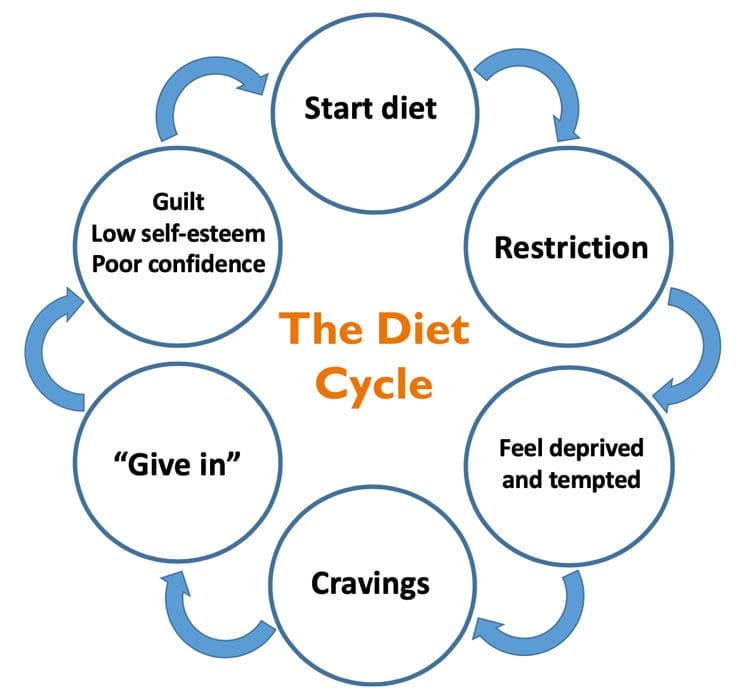
Furthermore, fad diets can have negative effects on metabolism. Rapid weight loss achieved through extreme dieting can cause the body to enter a state of starvation, slowing down the metabolic rate. As a result, any weight lost during the fad diet is often regained rapidly once the diet is discontinued, leading to a cycle of weight loss and regain known as yo-yo dieting.
The psychological consequences of following fad diets can also be significant. Restrictive eating patterns can induce feelings of deprivation, guilt, and anxiety around food, leading to an unhealthy relationship with eating. In some cases, this may even contribute to the development of disordered eating patterns and eating disorders.
Common Types of Fad Diets
Low-carb diets
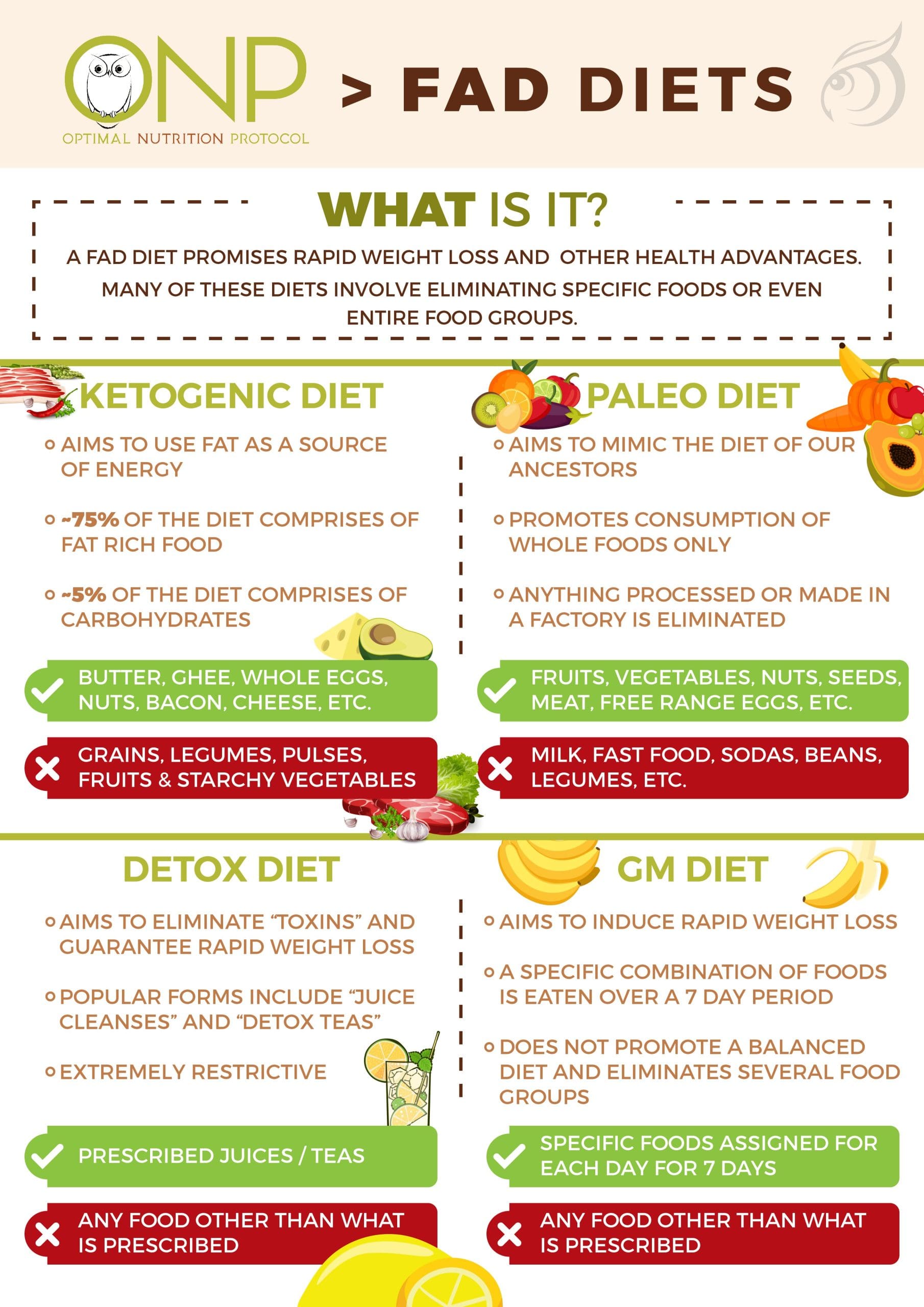
Low-carb diets, such as the Atkins Diet and the ketogenic diet, restrict the intake of carbohydrates while promoting a higher consumption of fats and proteins. These diets aim to force the body into a state of ketosis, where it primarily burns fat for fuel. While these diets may lead to initial weight loss, they can be challenging to sustain in the long term and may result in nutrient deficiencies.
Juice cleanses
Juice cleanses involve consuming only fruit and vegetable juices for a specified period, usually ranging from a few days to a week. Advocates of juice cleanses claim that they eliminate toxins from the body and promote weight loss. However, these cleanses often lack essential nutrients, such as protein and healthy fats, and may cause significant nutrient imbalances and blood sugar fluctuations.
Detox diets
Detox diets typically involve consuming a restricted range of foods, eliminating foods perceived as toxic or harmful to the body. These diets often promote the consumption of fruits, vegetables, and water while excluding processed foods, caffeine, and alcohol. While the idea of “detoxifying” the body may be appealing, there is little scientific evidence to support the effectiveness of detox diets and their ability to remove toxins.
Liquid diets
Liquid diets involve replacing solid meals with liquid-based alternatives, such as meal replacement shakes or vegetable soups. These diets often drastically reduce calorie intake, leading to rapid weight loss. However, they can result in nutritional deficiencies and may be difficult to maintain in the long term. Moreover, the lack of solid food can lead to feelings of deprivation and unsustainability.
Meal replacement diets
Meal replacement diets involve substituting one or more daily meals with pre-packaged meal replacements, such as shakes or bars. While these diets may offer convenience and portion control, they can lack the variety and nutritional balance necessary for overall health. Relying solely on processed meal replacements can also lead to a reliance on external sources of nutrition rather than whole, natural foods.
High-protein diets
High-protein diets, like the Dukan Diet or the South Beach Diet, emphasize a significant increase in protein intake while limiting carbohydrates. These diets often promote consumption of lean meats, fish, eggs, and dairy products. While adequate protein intake is important for overall health, excessively high-protein diets may put strain on the kidneys and lead to nutrient imbalances if other essential nutrients are neglected.
Celebrity-endorsed diets
Celebrity-endorsed diets often gain rapid popularity due to the influence and perceived credibility of the endorsing celebrity. These diets may follow various principles, such as eliminating certain food groups, promoting detoxification, or focusing on specific combinations of foods. While the endorsement of a celebrity may attract attention, it is crucial to consider the scientific validity and long-term sustainability of such diets.
Short-Term Weight Loss vs. Sustainable Results
Fad diets and their impact on short-term weight loss
Fad diets often produce significant short-term weight loss results, primarily due to the severe calorie restriction and water loss associated with these diets. The initial weight loss can be motivating and give the impression that the diet is effective. However, this weight loss is often not sustainable in the long term, and the lost weight is frequently regained once normal eating patterns are resumed.
Why fad diets fail to produce sustainable results
Fad diets fail to produce sustainable results for multiple reasons. Firstly, the extreme restrictions imposed by these diets can be challenging to maintain over an extended period. This can lead to feelings of deprivation, increasing the likelihood of binge eating or falling back into old eating habits once the diet is discontinued.
Secondly, fad diets often neglect the importance of developing healthy habits and making gradual, sustainable lifestyle changes. Instead of focusing on nourishing the body with a balanced and varied diet, fad diets prioritize rapid weight loss through short-term fixes. This lack of emphasis on long-term behavior change and overall well-being is one of the main reasons why fad diets fail to produce sustainable results.
Lack of Scientific Evidence
The lack of scientific studies supporting the effectiveness of fad diets
One of the major concerns with fad diets is the lack of scientific evidence supporting their effectiveness. While testimonials and anecdotal reports may exist, these do not constitute reliable scientific evidence. Many fad diets lack well-designed and controlled studies to evaluate their safety, efficacy, and long-term effects on weight management and overall health.
The importance of evidence-based approaches to weight loss
Instead of relying on fad diets, it is essential to prioritize evidence-based approaches to weight loss. Evidence-based strategies are grounded in scientific research and emphasize the importance of long-term sustainability and overall health. These approaches often involve a combination of balanced nutrition, regular physical activity, behavior modification techniques, and support from qualified professionals, such as registered dietitians.
Nutritional Imbalances and Deficiencies
How fad diets often result in nutritional imbalances
Many fad diets create nutritional imbalances by severely restricting certain food groups or macronutrients, such as carbohydrates or fats. By eliminating entire food groups or heavily limiting nutrient-rich foods, these diets can deprive the body of essential vitamins, minerals, fiber, and other important compounds necessary for optimal health and well-being.
Common deficiencies associated with fad diets
Different fad diets can lead to specific deficiencies. For example, low-carb diets may result in insufficient intake of dietary fiber, B vitamins, and antioxidants found in whole grains and fruits. Juice cleanses and detox diets may lack proteins, healthy fats, and certain essential amino acids. Meal replacement diets may compromise the intake of whole foods and natural sources of nutrients. It is crucial to recognize that these deficiencies can have long-term consequences on overall health if sustained over time.
Metabolic Effects and Long-Term Health Risks
The negative impact of fad diets on metabolism
Fad diets, characterized by severe calorie restriction and rapid weight loss, can have detrimental effects on metabolism. When the body is subjected to prolonged calorie deprivation, it enters a state of starvation. In response, the metabolic rate slows down to conserve energy, making it more difficult to continue losing weight. Once normal eating patterns are resumed, the body’s slowed metabolism can lead to weight regain and the perpetuation of the yo-yo dieting cycle.
Long-term health risks associated with fad diets
In addition to metabolic effects, fad diets can pose several long-term health risks. Chronic nutrient deficiencies resulting from restrictive eating patterns can weaken the immune system, impair organ function, and contribute to the development of chronic diseases. Furthermore, the psychological and emotional consequences of following fad diets can lead to disordered eating habits, poor body image, and a negative impact on mental health.
Psychological and Emotional Consequences
The psychological effects of restrictive eating
Fad diets often involve strict rules and restrictions on food intake, leading to psychological effects such as increased anxiety, obsession with food, feelings of guilt or shame, and decreased enjoyment of eating. The focus on external factors, such as weight or calorie counting, can overshadow the importance of internal cues of hunger and fullness, disrupting the body’s natural relationship with food.
How fad diets can contribute to disordered eating patterns
The restrictive nature of fad diets can contribute to the development of disordered eating patterns. Chronic dieting and the cycle of weight loss and regain can lead to a preoccupation with food, an unhealthy relationship with eating, and a loss of trust in one’s own body. This can result in the onset of eating disorders, such as anorexia nervosa, bulimia nervosa, or binge-eating disorder, which require professional intervention and treatment.
Yo-Yo Dieting and Weight Cycling
The cycle of weight loss and regain caused by fad diets
Yo-yo dieting, also known as weight cycling, refers to the pattern of repeated weight loss and regain often experienced by individuals who follow fad diets. The severe calorie restriction and temporary nature of these diets can lead to initial weight loss, followed by weight regain once normal eating patterns are resumed. This cycle can have negative effects on metabolism, body composition, and overall health.
Health risks associated with yo-yo dieting
Yo-yo dieting has been associated with numerous health risks. Rapid weight loss and regain can lead to fluctuations in insulin levels, cholesterol, and blood pressure, increasing the risk of cardiovascular diseases. Additionally, this pattern has been linked to a higher likelihood of developing eating disorders, a negative impact on body image, and a higher mortality rate compared to individuals who maintain a stable weight.
The Importance of Balanced and Individualized Approaches
The need for personalized nutrition and weight loss plans
Rather than relying on fad diets, it is essential to adopt a balanced and individualized approach to nutrition and weight loss. Each person’s dietary needs, preferences, and goals are unique, making personalized plans more effective in achieving long-term success. A holistic approach that considers lifestyle factors, psychological well-being, and sustainable behavior changers is crucial for lasting results.
The benefits of a balanced approach to diet and lifestyle
A balanced approach to diet and lifestyle emphasizes the inclusion of a wide variety of nutrient-dense foods, moderation in portion sizes, and regular physical activity. This approach allows for flexibility, enjoyment, and energy balance, promoting a sustainable and healthy relationship with food. By focusing on overall well-being rather than quick fixes, individuals can achieve and maintain optimal health and weight in the long term.
Consulting Professionals and Registered Dietitians
The value of seeking guidance from healthcare professionals
When navigating the realm of weight loss and nutrition, it is important to seek guidance from healthcare professionals. Registered dietitians are specifically trained in nutrition and can provide evidence-based advice tailored to individual needs. They can help create personalized meal plans, provide education on balanced eating, and address any specific concerns or challenges related to weight loss or dietary management.
The role of registered dietitians in promoting long-term success
Registered dietitians play a critical role in promoting long-term success by providing sustainable and evidence-based strategies. They can help educate individuals about the importance of balanced nutrition, debunk myths surrounding fad diets, and empower individuals to make informed choices that align with their health goals. With their expertise and support, individuals can develop healthy and sustainable dietary habits for a lifetime.