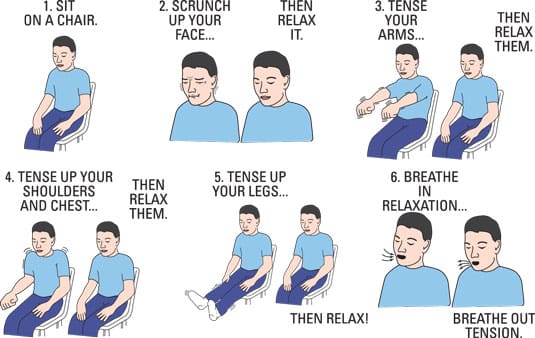
Is the tension in your muscles leaving you feeling stressed and fatigued? Fear not, for we have the perfect solution for you! In this article, we will explore the top ways to release tension and relax your muscles, allowing you to experience a state of blissful calm. From incorporating stretching exercises into your daily routine to indulging in soothing massages, we have got you covered. So, sit back, relax, and let us guide you towards ultimate relaxation.

Stretching
Stretching is a key component of maintaining flexibility, improving range of motion, and preventing muscle injuries. There are various types of stretching techniques that can be incorporated into your daily routine to help release tension and relax your muscles.
Static Stretching
Static stretching involves holding a stretch position for a prolonged period of time, typically between 15 to 60 seconds. This type of stretching helps improve flexibility by elongating the muscles and connective tissues. Some common static stretches include reaching for your toes to stretch your hamstrings, performing a quad stretch by pulling your foot towards your glutes, or doing a calf stretch against a wall.
Dynamic Stretching
Dynamic stretching involves moving through a range of motion to warm up the muscles before physical activity. This type of stretching helps improve flexibility and enhances athletic performance. Dynamic stretches can include high knees, leg swings, arm circles, or walking lunges. Incorporating dynamic stretching into your warm-up routine can help loosen up your muscles and prepare them for more intense exercise.
PNF Stretching
PNF (proprioceptive neuromuscular facilitation) stretching is a technique that combines static stretching and isometric contractions to improve flexibility. This stretching method involves stretching a muscle for a short period of time, then contracting the muscle against resistance, and finally relaxing the muscle while stretching it even further. PNF stretching can help increase the range of motion and flexibility in specific muscles.
Yoga Poses
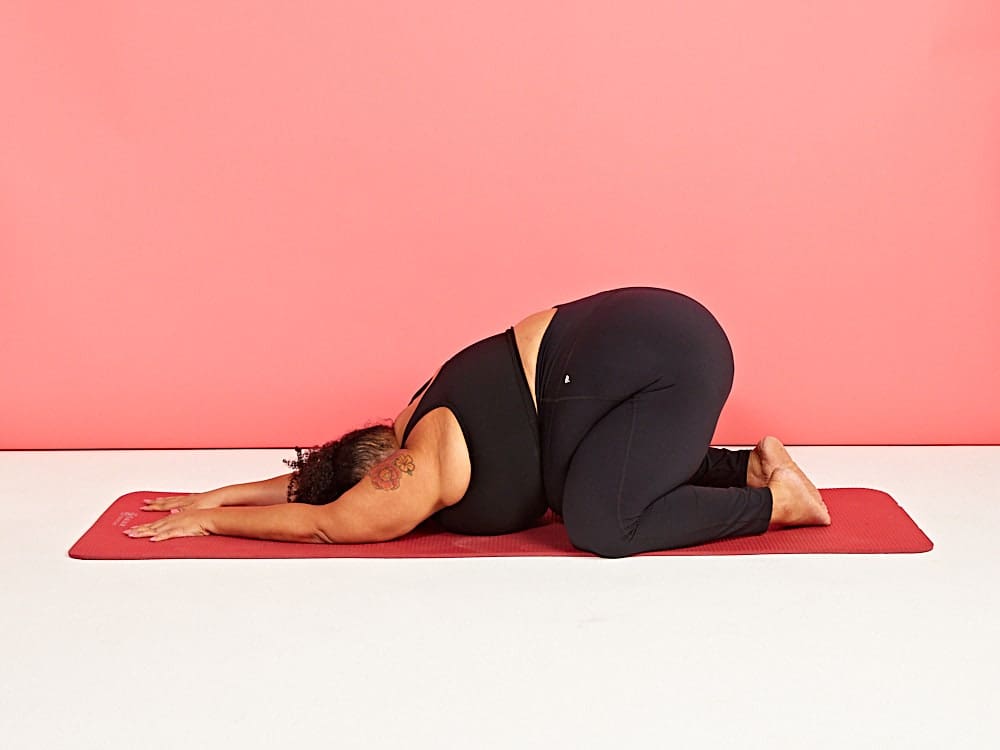
Yoga is both a physical and mental practice that combines stretching, breathing techniques, and meditation. It offers a wide range of poses that help release tension and relax muscles. Some beneficial yoga poses for relieving muscle tension include Child’s Pose, Downward Facing Dog, Standing Forward Bend, and Pigeon Pose. By practicing yoga regularly, you can improve your flexibility, strength, and overall well-being.
Foam Rolling
Foam rolling, also known as self-myofascial release, is a popular technique used to release muscular tightness and trigger points. It involves using a foam roller to apply pressure to specific areas of the body. Foam rolling helps break up knots in the muscles and fascia, promoting blood flow and relaxation.
Benefits of Foam Rolling
Foam rolling offers numerous benefits for both athletes and non-athletes alike. It helps increase range of motion, reduce muscle soreness, improve circulation, and enhance overall muscle function. Foam rolling can also help prevent injuries by promoting muscle recovery and reducing tightness after workouts. Additionally, foam rolling can be a great tool for relaxation and stress relief.
Tutorials on Foam Rolling Techniques
There are various foam rolling techniques that target different muscle groups. It’s important to use proper form and technique when foam rolling to achieve maximum benefits. Online tutorials and videos can provide guidance on different foam rolling exercises and techniques. These resources can help you learn how to effectively release tension and relax your muscles using a foam roller.
Best Foam Rolling Exercises
Some of the best foam rolling exercises target commonly tense areas of the body, such as the calves, quads, hamstrings, glutes, and upper back. For example, rolling your calves by placing the foam roller under the back of your lower leg and rolling up and down can help relieve tightness in that area. Similarly, rolling the foam roller along your upper back can provide relief for tension in your shoulders and upper back muscles. Experiment with different foam rolling exercises to find the ones that work best for your body and target your specific areas of tension.
Massage Therapy
Massage therapy is a popular and effective way to release tension and relax muscles. There are different types of massage techniques that cater to specific needs and preferences.
Swedish Massage
Swedish massage is commonly known as a relaxation massage. It involves long, smooth strokes, kneading, and circular movements to improve circulation, promote relaxation, and release muscle tension. This type of massage is ideal for individuals who want to unwind and destress.
Deep Tissue Massage
Deep tissue massage focuses on treating chronic muscle tension and tightness. It uses slow, deep pressure and targeted techniques to access deeper layers of muscle and connective tissue. Deep tissue massage can help relieve chronic pain, improve flexibility, and restore normal movement patterns.
Sports Massage
Sports massage is specifically designed to address the needs of athletes and individuals engaging in physical activities. This type of massage can help prevent injuries, promote muscle recovery, and enhance athletic performance. Sports massage may involve techniques such as stretching, compression, and friction to target muscles used during physical activity.
Self-Massage Techniques
In addition to professional massage therapy, there are self-massage techniques that you can practice at home to release tension and relax your muscles. These techniques involve using your hands, fingers, or massage tools to apply pressure to specific muscles or trigger points. Self-massage techniques can be helpful for relieving tightness in areas like the neck, shoulders, and legs.
Heat Therapy
Heat therapy, also known as thermotherapy, involves the application of heat to relax muscles, increase blood flow, and reduce pain. There are different methods of heat therapy that you can incorporate into your relaxation routine.
Hot Baths and Showers
Taking a hot bath or shower can be a soothing and effective way to relax your muscles. The heat from the water helps increase blood circulation and promote muscle relaxation. Soaking in a hot bath infused with Epsom salts can further enhance the relaxation benefits.
Heating Pads
Heating pads are portable devices that provide targeted heat therapy to specific areas of the body. They can help relieve muscle tension, reduce pain, and promote relaxation. Heating pads come in various sizes and can be applied to different body parts, such as the neck, back, or shoulders.
Heat Wraps
Heat wraps are another convenient option for heat therapy. These disposable wraps are designed to deliver heat to specific body areas and can provide relief for several hours. Heat wraps are particularly beneficial for individuals on the go or those who prefer a hands-free heat therapy option.
Hot Stone Massage
Hot stone massage combines the benefits of heat therapy and massage techniques. Smooth, heated stones are placed on specific areas of the body to warm up the muscles and promote deep relaxation. The heat from the stones helps to loosen tight muscles, improve blood flow, and release tension.
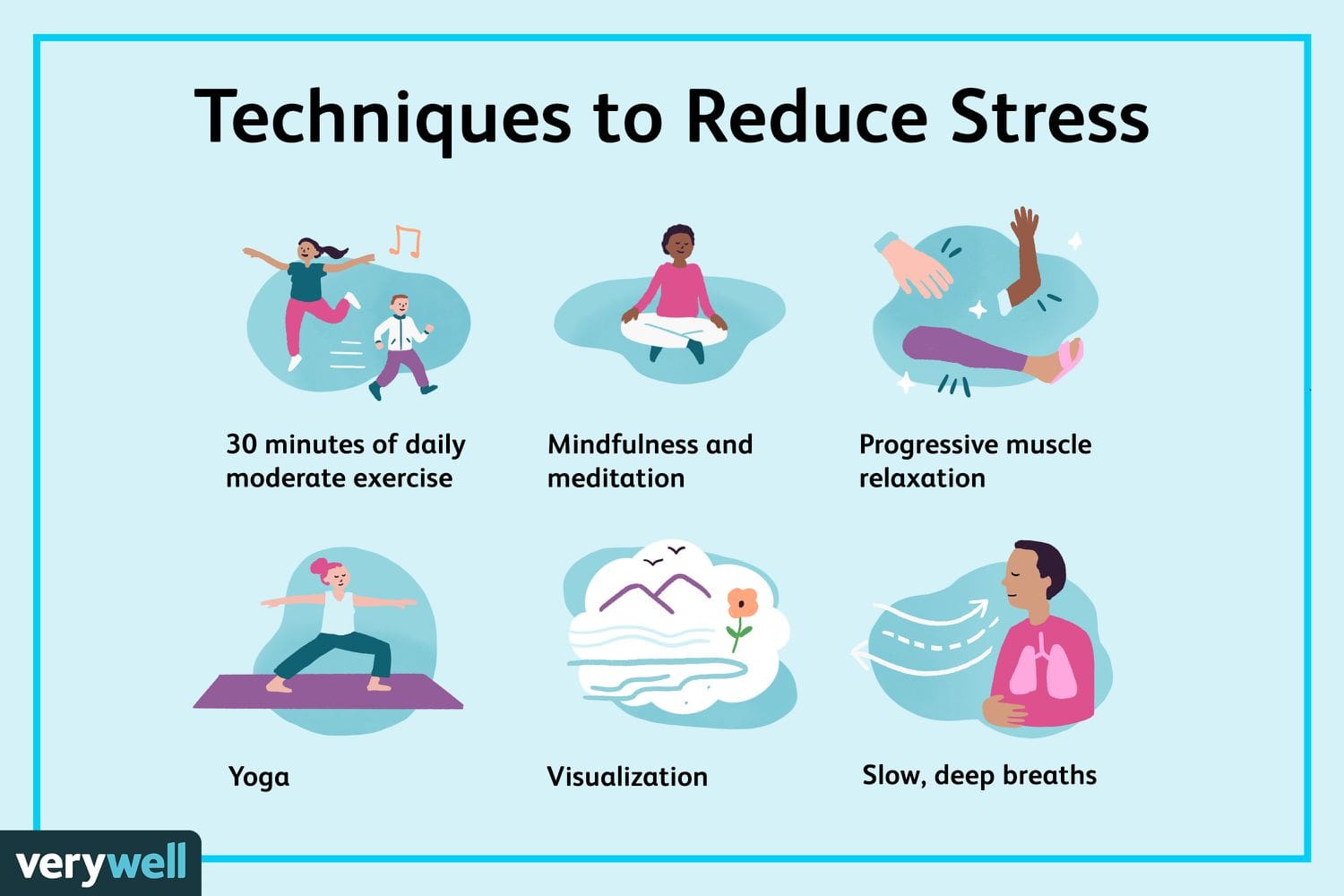
Cold Therapy
Cold therapy, also known as cryotherapy, involves the application of cold temperatures to reduce inflammation, decrease muscle pain, and promote muscle recovery. Cold therapy can be useful after intense workouts or to alleviate acute muscle injuries.
Ice Packs
Applying ice packs to injured or sore muscles can help reduce inflammation and swelling. Ice packs can also numb the area, which can temporarily alleviate pain. It’s important to wrap the ice pack in a thin cloth to protect the skin from direct contact with the cold.
Cold Showers
Cold showers are an invigorating and refreshing way to incorporate cold therapy into your relaxation routine. The cool water temperature helps constrict blood vessels, reduce inflammation, and promote muscle recovery. Cold showers can provide a rejuvenating sensation and boost your mood.
Cryotherapy
Cryotherapy involves exposing the whole body or specific body parts to extremely cold temperatures for a short period of time. Cryotherapy chambers or localized cryotherapy devices that target specific areas of the body can be used. This form of cold therapy can help reduce pain, inflammation, and muscle soreness.
Cooling Gel
Cooling gels or creams can be applied topically to provide quick relief for muscle pain and inflammation. These products typically contain menthol or other cooling agents that create a cooling sensation on the skin. Cooling gels can be massaged into the affected area to promote muscle relaxation and reduce discomfort.
Acupuncture
Acupuncture is an ancient Chinese practice that involves the insertion of thin needles into specific points of the body to stimulate the body’s natural healing response. It is believed to balance the flow of energy, or qi, throughout the body. Acupuncture can be effective for relieving muscle tension and promoting relaxation.
Traditional Acupuncture
Traditional acupuncture involves the use of thin, sterile needles inserted into specific acupuncture points along the body’s meridians. By stimulating these points, traditional acupuncture aims to restore the balance of energy flow and promote relaxation. Traditional acupuncture sessions are usually performed by licensed acupuncturists.
Electroacupuncture
Electroacupuncture is a variation of traditional acupuncture that involves the use of small electrical currents applied to the acupuncture needles. The electrical stimulation enhances the effects of acupuncture, promoting muscle relaxation and pain relief. Electroacupuncture can be particularly beneficial for individuals with chronic muscle tension or pain.
Auricular Acupuncture
Auricular acupuncture focuses on stimulating specific points on the outer ear to address various health concerns, including muscle tension and relaxation. Small needles or ear seeds, which are tiny metal or adhesive pellets, are placed on specific ear points believed to correspond to different parts of the body. Stimulating these points can help alleviate muscle tension and promote relaxation.
Scalp Acupuncture
Scalp acupuncture involves the insertion of needles into specific scalp areas to stimulate the central nervous system and promote healing. This type of acupuncture is often used to address musculoskeletal conditions and can help relieve muscle tension and improve relaxation.
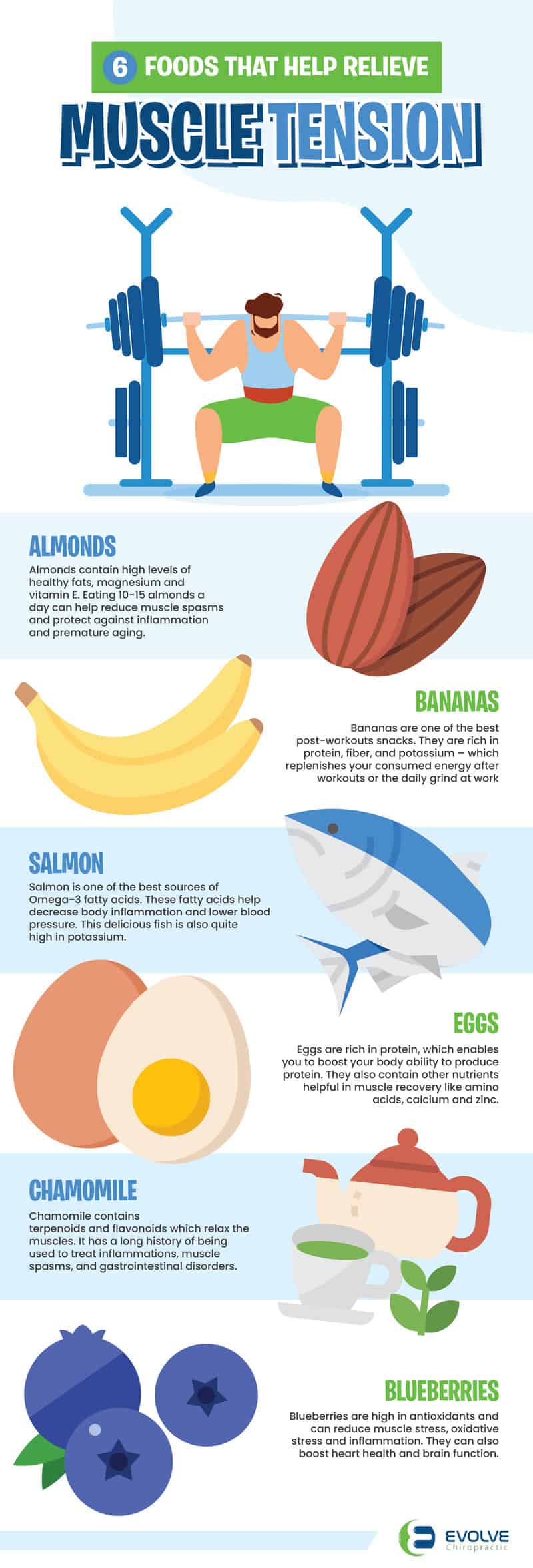
Meditation
Meditation is a practice of training the mind to focus and redirect thoughts. It is commonly used to reduce stress, promote relaxation, and enhance mental well-being. Various meditation techniques can be incorporated into your daily routine to release tension and relax your muscles.
Guided Meditation
Guided meditation involves following the instructions and guidance of a teacher or recorded meditation session. It typically includes visualization techniques, breathing exercises, and relaxation cues. Guided meditation can help quiet the mind, release physical tension, and induce a state of deep relaxation.
Mindfulness Meditation
Mindfulness meditation involves bringing your attention to the present moment without judgment. It focuses on becoming aware of your thoughts, sensations, and emotions as they arise, and allowing them to pass without attachment. Mindfulness meditation can help reduce muscle tension, promote relaxation, and create a sense of inner calm.
Transcendental Meditation
Transcendental meditation is a technique that involves the use of a mantra, a word or phrase that is silently repeated during meditation. The repetition of the mantra allows the mind to transcend its active thinking state and access a deeper level of relaxation. Transcendental meditation can help release muscle tension and promote a sense of inner peace.
Loving-Kindness Meditation
Loving-kindness meditation, also known as Metta meditation, involves cultivating feelings of love, compassion, and kindness towards oneself and others. This type of meditation encourages the release of tension and promotes relaxation by fostering positive emotions and goodwill. Loving-kindness meditation can be particularly beneficial for individuals experiencing stress or tension in their relationships.
Breathing Techniques
Breathing techniques are simple yet powerful tools that can help release tension and relax muscles. By focusing on your breath and adjusting your breathing patterns, you can activate the body’s relaxation response and promote a sense of calm.
Diaphragmatic Breathing
Diaphragmatic breathing, also known as belly breathing or deep breathing, involves using the diaphragm to draw air deep into the lungs. This type of breathing activates the body’s relaxation response, slows down the heart rate, and reduces muscle tension. Diaphragmatic breathing can be practiced anytime, anywhere, and is particularly effective for promoting relaxation during stressful situations.
Alternate Nostril Breathing
Alternate nostril breathing, also known as Nadi Shodhana, is a breathing technique that involves breathing through one nostril at a time. This technique helps balance the flow of energy in the body and promotes relaxation. By focusing on the breath and alternating nostrils, alternate nostril breathing can help release tension and calm the mind.
Box Breathing
Box breathing, also known as square breathing, is a simple breathing technique that involves inhaling, holding the breath, exhaling, and holding the breath again, all for equal durations. This technique helps regulate the autonomic nervous system, reduce stress, and promote relaxation. Box breathing can be practiced anywhere and is particularly useful for calming the mind and releasing tension.
4-7-8 Breathing
The 4-7-8 breathing technique is a powerful relaxation tool that involves inhaling for a count of four, holding the breath for a count of seven, and exhaling for a count of eight. This breathing pattern activates the body’s relaxation response and helps release tension. By practicing the 4-7-8 breathing technique, you can promote muscle relaxation and induce a state of deep calm.
Aromatherapy
Aromatherapy involves the use of aromatic essential oils to promote relaxation and well-being. Different essential oils have specific properties that can help release tension and relax muscles.
Lavender
Lavender essential oil is widely known for its calming and relaxing properties. It has a soothing scent that promotes relaxation and helps relieve muscle tension. Lavender oil can be diffused, added to bathwater, or applied topically in diluted form for a calming aromatherapy experience.
Peppermint
Peppermint essential oil has invigorating and cooling properties. It can help relieve muscle tension, reduce discomfort, and promote relaxation. Peppermint oil can be diffused, applied topically with a carrier oil, or added to a warm compress for a refreshing aromatherapy experience.
Eucalyptus
Eucalyptus essential oil has a fresh, invigorating scent that can help alleviate muscle tension and promote relaxation. It has cooling properties that provide a soothing effect on sore muscles. Eucalyptus oil can be diffused, added to bathwater, or diluted with a carrier oil for massage.
Chamomile
Chamomile essential oil is well-known for its calming and soothing properties. It can help relieve muscle tension, reduce stress, and promote relaxation. Chamomile oil can be diffused, added to bathwater, or applied topically in diluted form for a relaxing aromatherapy experience.
Exercise
Regular exercise is essential for maintaining muscle health, promoting relaxation, and reducing tension. There are various types of exercises that can help release tension and relax muscles.
Cardiovascular Exercise
Cardiovascular exercise, such as jogging, cycling, or swimming, can increase blood circulation and promote muscle relaxation. Engaging in aerobic activities helps release endorphins, reduce stress, and improve overall well-being. Cardiovascular exercise can be an effective way to release tension and relax muscles.
Strength Training
Strength training exercises, such as weightlifting or resistance training, can help release tension in the muscles by promoting muscle flexibility and increasing blood flow. Incorporating strength training into your exercise routine can help improve posture, reduce muscle imbalances, and enhance overall muscle relaxation.
Pilates
Pilates is a low-impact exercise method that focuses on core strength, flexibility, and body awareness. It involves a series of controlled movements and breathing techniques that can help release muscle tension and promote relaxation. Pilates exercises target various muscle groups, helping to improve flexibility, strength, and overall muscle relaxation.
Tai Chi
Tai Chi is a gentle, low-impact exercise that combines flowing movements with deep breathing and meditation. This ancient Chinese practice promotes relaxation, balance, and mental clarity. The slow and deliberate movements of Tai Chi help release muscle tension, improve flexibility, and enhance overall well-being.
Incorporating these various techniques and forms of relaxation into your routine can help release tension and relax your muscles. They can be used individually or in combination depending on your personal preferences and needs. By making self-care and relaxation a priority, you can promote a healthier, more relaxed body and mind.