
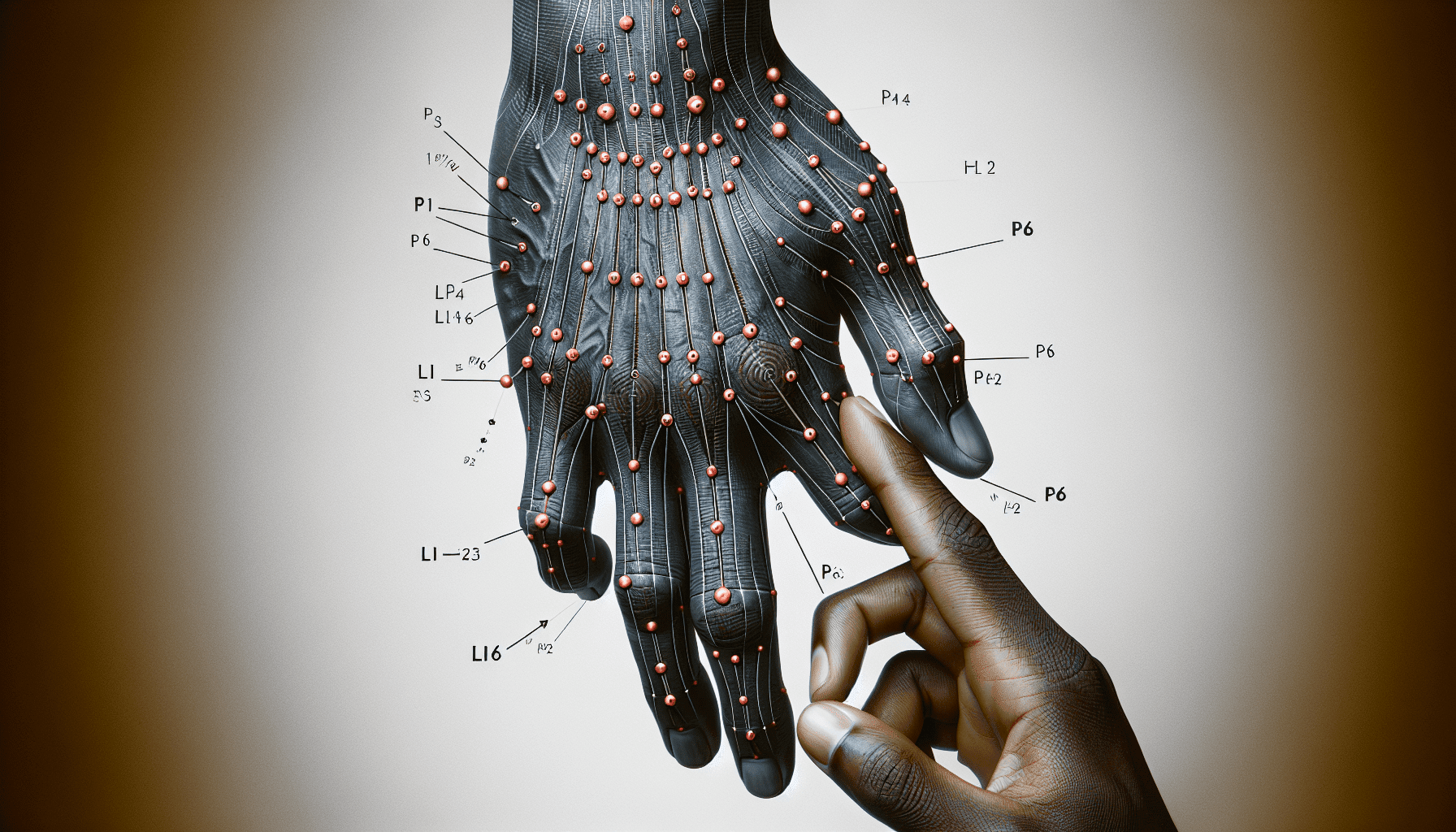
Acupressure, a form of alternative medicine, is gaining popularity due to its numerous health benefits. By applying pressure to specific points on the body, acupressure aims to restore the flow of vital energy, known as Qi, promoting physical and mental well-being. This ancient practice is rooted in Traditional Chinese Medicine and is believed to alleviate pain, reduce stress, boost the immune system, and improve overall health. Discover how acupressure can help you find natural relief and enhance your overall wellness.
What is Acupressure?
Acupressure is a traditional healing practice that is part of the larger umbrella of alternative medicine. It involves applying pressure to specific points on the body to stimulate the body’s natural healing abilities. Acupressure is believed to have originated in ancient China and has been used for centuries to address various physical and mental health conditions. It is a non-invasive and drug-free method that is gaining popularity as a complementary therapy in modern healthcare.
Definition
Acupressure can be defined as a therapeutic technique that involves the application of pressure to specific points on the body, known as acupoints. These acupoints are believed to align with channels called meridians, through which vital energy, also known as qi, flows. By exerting pressure on these points, acupressure is believed to restore balance and promote the flow of qi in the body, thereby alleviating symptoms and promoting overall well-being.
Origin and History
Acupressure has its roots in ancient Chinese medicine, dating back thousands of years. It is closely related to acupuncture, another well-known Chinese healing practice. The knowledge and techniques of acupressure were refined and documented during the Qin and Han dynasties in China. Over time, acupressure spread to other parts of East Asia, and its principles and techniques were adapted and integrated into various traditional healing systems such as Japanese Shiatsu and Korean acupressure.
How does Acupressure Work?
Acupressure works based on two fundamental principles – the concept of meridians and energy flow, and the stimulation of pressure points.
Principles of Acupressure
According to traditional Chinese medicine, the human body has an intricate network of meridians or energy channels. These meridians are believed to carry vital energy, or qi, throughout the body. Each meridian corresponds to a specific organ or physiological system. In a healthy individual, the flow of qi is smooth and balanced, promoting overall wellness. However, when the flow of qi is disrupted or blocked, it can lead to various health issues. Acupressure aims to restore the flow of qi by applying pressure on specific acupoints along the meridians.
Meridians and Energy Flow
The meridians in the body form a complex network that connects various organs, tissues, and systems. There are twelve main meridians associated with specific organs such as the heart, lungs, liver, and kidneys, among others. Each meridian is believed to have its own pathway and plays a vital role in maintaining the body’s overall balance. Acupressure practitioners use their knowledge of meridians to identify the appropriate acupoints for addressing specific health conditions.
Pressure Points and Stimulation
Pressure points, also known as acupoints, are specific locations on the body where pressure is applied during an acupressure session. These points are believed to be located along the meridians and correspond to specific organs or systems. The stimulation of acupoints through pressure can be done using fingers, hands, or specialized tools. The pressure applied may vary, depending on the individual’s pain tolerance and the desired therapeutic effect. The aim is to promote the flow of qi, stimulate the body’s self-healing mechanisms, and bring relief from pain, discomfort, or other symptoms.
Benefits of Acupressure
Acupressure offers a wide range of potential benefits for both physical and mental health. Some of the key benefits include:
Pain Relief
One of the most well-known applications of acupressure is in pain management. By stimulating specific acupoints, acupressure can help alleviate pain caused by various conditions such as headaches, migraines, muscle and joint pain, menstrual cramps, and even labor pain. The pressure applied to these points is believed to release endorphins, the body’s natural pain-relieving chemicals, and promote relaxation, thereby reducing discomfort.
Stress Reduction
In today’s fast-paced world, stress has become a common concern for many individuals. Acupressure can be a valuable tool for managing stress and promoting relaxation. By targeting specific acupoints, acupressure can help calm the mind, reduce anxiety, and release built-up tension in the body. This can lead to a sense of overall well-being and improved mental and emotional health.
Improved Blood Circulation
Acupressure can also have a positive impact on blood circulation. By stimulating acupoints, this technique helps promote the flow of blood and oxygen to different parts of the body. Improved circulation can benefit various bodily functions, including the delivery of nutrients, removal of waste products, and the overall health of tissues and organs. Enhanced blood circulation can also help relieve muscle tension and promote faster healing.
Enhanced Immunity
Regular acupressure sessions may contribute to boosting the immune system. By balancing the body’s energy flow and addressing imbalances, acupressure can help strengthen the immune response and enhance the body’s ability to fight off illness and disease. This can be particularly beneficial for individuals with weakened immune systems or those who are prone to frequent infections.
Digestive Health
Acupressure techniques can also be employed to improve digestive health. By targeting specific acupoints associated with the digestive system, acupressure can help alleviate symptoms such as indigestion, bloating, and constipation. The stimulation of these points can help regulate the function of the digestive organs and promote a healthy digestive process.
Conditions Treated by Acupressure
Acupressure has shown promising results in providing relief for various conditions. Some of the common conditions that can be effectively treated through acupressure include:
Headaches and Migraines
Headaches and migraines can be debilitating and affect daily life. Acupressure techniques targeting specific acupoints can provide relief from such conditions. By applying pressure to these points, blood flow to the head can be improved, muscle tension can be released, and pain can be reduced.
Muscle and Joint Pain
Muscle and joint pain, whether caused by injury, inflammation, or chronic conditions, can greatly impact mobility and quality of life. Acupressure can be used as a natural pain management technique to alleviate such discomfort. Through targeted pressure on specific acupoints, acupressure can help relax muscles, reduce inflammation, and promote the body’s natural healing processes.
Insomnia and Sleep Disorders
Insomnia and sleep disorders can have a significant impact on overall well-being. Acupressure techniques can help address sleep issues by targeting acupoints that promote relaxation and induce a sense of calm. By stimulating these points, acupressure can assist in improving sleep quality, reducing the time it takes to fall asleep, and enhancing overall sleep duration.
Nausea and Vomiting
Nausea and vomiting can occur due to various reasons, including motion sickness, pregnancy, or medication side effects. Acupressure has been found to be effective in managing these symptoms. By stimulating certain acupoints, acupressure can help alleviate nausea and reduce the frequency and intensity of vomiting.
Anxiety and Depression
Acupressure techniques can also play a role in managing symptoms of anxiety and depression. By targeting specific acupoints associated with emotional well-being, acupressure can help regulate the body’s stress response, promote relaxation, and enhance mood. Regular acupressure sessions can contribute to a greater sense of calm and emotional balance.
Acupressure Techniques and Tools
Acupressure can be performed using various techniques and tools. Some commonly used methods include:
Finger Pressure
Finger pressure is the most basic and commonly used technique in acupressure. It involves using the fingers to exert pressure on specific acupoints. The amount of pressure applied can vary, depending on individual preference and the desired therapeutic effect. Finger pressure techniques can be easily learned and practiced by oneself for self-care or administered by a trained practitioner.
Hand and Palm Techniques
In addition to finger pressure, hand and palm techniques are also commonly employed in acupressure. These techniques involve using the palms or the entire hand to apply pressure on acupoints. The broader surface area of the palm allows for a more diffused pressure, which can be suitable for larger acupoint areas or for individuals with sensitive skin.
Acupressure Mat
An acupressure mat is a specialized tool designed to enhance the benefits of acupressure. It typically consists of a flat mat with numerous acupressure points or spikes embedded on its surface. When lying or sitting on the mat, these acupressure points stimulate various acupoints on the body, providing a wide range of health benefits. Acupressure mats can be used for general relaxation, pain relief, stress reduction, and improved sleep quality.
Acupressure Bracelets
Acupressure bracelets are another tool used in acupressure therapy. These bracelets are designed with acupressure beads or points that apply constant pressure to specific wrist acupoints. These acupoints are believed to be linked to nausea relief, making these bracelets particularly helpful for individuals who experience motion sickness, morning sickness during pregnancy, or chemotherapy-induced nausea.
Acupressure vs. Acupuncture
Acupressure and acupuncture are closely related practices that share many similarities but also have some key differences.
Comparison of Techniques
The main difference between acupressure and acupuncture lies in the techniques used. Acupressure involves applying pressure to acupoints using fingers, hands, or specialized tools, while acupuncture involves using very thin needles inserted into the skin at specific acupoints. Both methods aim to promote the flow of qi and restore balance in the body, but the application of pressure versus the use of needles distinguishes them.
Differences in Application
Another notable difference between acupressure and acupuncture is the ease of application. Acupressure can be easily learned and practiced by individuals on themselves or others, making it a more accessible form of therapy. On the other hand, acupuncture requires specialized training and can only be performed by trained acupuncture practitioners. The use of needles in acupuncture also requires careful attention to safety and hygiene.
Safety and Ease of Use
Both acupressure and acupuncture are generally considered safe when performed by qualified practitioners. Acupressure is considered to have a minimal risk of adverse effects, as it does not involve the insertion of needles. However, certain precautions should be taken, such as avoiding acupressure on open wounds or areas of bruising. Acupuncture, on the other hand, has a slightly higher risk of complications due to the use of needles. It is crucial to seek treatment from a licensed and experienced acupuncturist to ensure safe and effective care.
Research and Evidence
Scientific studies exploring the effectiveness and potential mechanisms of acupressure have been conducted over the years. While more research is needed to establish conclusive evidence, several studies have shown promising results.
Scientific Studies
A significant body of research has examined the effects of acupressure on various health conditions. Studies have explored its effectiveness in managing pain, reducing stress and anxiety, promoting sleep, and enhancing overall well-being. Researchers have used both subjective measurements, such as self-reported pain scores and questionnaires, as well as objective measurements like brain scans and physiological markers to evaluate the effects of acupressure.
Effectiveness of Acupressure
The effectiveness of acupressure has been observed across different conditions. Acupressure has been found to provide pain relief, particularly for headaches, migraines, and musculoskeletal pain. It has also been shown to alleviate symptoms of anxiety, stress, and insomnia. Additionally, acupressure has demonstrated benefits in enhancing post-operative recovery, reducing chemotherapy-induced symptoms, and improving quality of life for individuals with chronic conditions.
Limitations and Criticisms
While research on acupressure is growing, there are still limitations and criticisms to consider. Some studies have been small in scale or lacked proper control groups, limiting the generalizability of the findings. Additionally, the subjective nature of pain perception and individual variability in acupoint sensitivity can make the assessment of acupressure challenging. Furthermore, the understanding of acupressure mechanisms is still evolving, and more research is needed to fully elucidate its physiological effects.
Getting Started with Acupressure
If you are interested in exploring acupressure, there are several ways to get started.
Finding a Qualified Practitioner
To experience the full benefits of acupressure, it is advisable to seek treatment from a qualified practitioner. Look for a certified acupressure practitioner who has undergone appropriate training and holds necessary credentials. Carry out thorough research to ensure their credibility and establish a good rapport with the practitioner before beginning the treatment.
Self-Acupressure Techniques
Self-acupressure techniques can be easily learned and practiced at home. Numerous resources, including books, online tutorials, and mobile applications, provide guidance on locating acupoints and applying pressure. However, it is essential to learn from reliable sources and exercise caution to avoid causing harm or exacerbating existing conditions. Consultation with a qualified acupressure practitioner can help guide you in practicing self-acupressure safely and effectively.
Precautions and Safety Measures
As with any healthcare practice, it is important to take precautions and follow safety measures when using acupressure. Avoid applying pressure to acupoints if you have open wounds, cuts, or bruises in the area. Pregnant women should be cautious about certain acupoints that have been associated with inducing labor. If you have any underlying health conditions or concerns, consult with a healthcare professional or acupressure practitioner before starting acupressure therapy.
Integration of Acupressure in Traditional Medicine
Acupressure is increasingly recognized as a complementary therapy that can be integrated into traditional medical treatments. Its holistic approach and emphasis on restoring balance and promoting self-healing align with the principles of many traditional healing systems.
Complementary Therapy
Acupressure can be used as a complementary therapy alongside conventional medical treatments. It can help manage symptoms, reduce side effects of medications, and enhance overall well-being. Since acupressure is non-invasive, drug-free, and generally safe, it can be a valuable addition to comprehensive healthcare plans.
Incorporation into Treatment Plans
In certain cases, acupressure may be recommended by healthcare professionals as part of a treatment plan. For example, individuals undergoing cancer treatment may receive acupressure therapy to alleviate chemotherapy-induced symptoms or improve quality of life. By incorporating acupressure, traditional medical practitioners aim to provide a holistic approach to patient care.
Collaboration with Healthcare Professionals
Collaboration between acupressure practitioners and healthcare professionals is vital for ensuring safe and effective use of acupressure. Open communication and coordination among practitioners of different modalities can lead to improved patient outcomes. Healthcare providers can refer patients to qualified acupressure practitioners, educate patients about potential benefits and precautions, and monitor the integration of acupressure within the broader treatment plan.
Conclusion
Acupressure is a valuable practice that taps into the body’s natural healing abilities. By understanding the principles of meridians, energy flow, and pressure points, we can appreciate how acupressure works to promote overall well-being. The benefits of acupressure span from pain relief and stress reduction to improved blood circulation and enhanced immunity. It can be used to address various conditions ranging from headaches and muscle pain to insomnia and anxiety. With the right techniques and tools, acupressure can be easily incorporated into daily self-care routines or integrated as a complementary therapy within traditional medical treatments. As research on acupressure expands, its potential benefits and applications continue to unfold. By embracing acupressure as a part of our healthcare practices, we can support the body’s innate healing processes and enhance our overall physical and mental well-being.
Summary
Acupressure, a branch of alternative medicine originating from ancient China, involves the application of pressure to specific points on the body known as acupoints. This technique aims to restore balance and promote the flow of vital energy, or qi, throughout the body’s meridians. Acupressure offers numerous benefits, including pain relief, stress reduction, improved blood circulation, enhanced immunity, and better digestive health. It can effectively address conditions such as headaches, muscle and joint pain, insomnia, nausea, and anxiety and depression. Acupressure can be performed using finger pressure, hand and palm techniques, acupressure mats, or acupressure bracelets. It differs from acupuncture in that it does not involve the use of needles and is more easily accessible for self-care. Scientific studies support the effectiveness of acupressure, but more research is needed. Finding a qualified practitioner or learning self-acupressure techniques are ways to get started. Acupressure can be integrated into traditional medicine as a complementary therapy, promoting collaboration among healthcare professionals. By embracing acupressure, individuals can enhance their overall well-being and support their body’s natural healing mechanisms.
Future Directions
As the field of alternative medicine continues to grow, future research should focus on further examining the effectiveness and underlying mechanisms of acupressure. Large-scale randomized controlled trials, exploring the long-term effects of acupressure, and comparing it to other treatment modalities would provide valuable insights. Additionally, more studies should examine the potential benefits of acupressure for specific populations, such as children, older adults, and individuals with chronic diseases. Collaboration between traditional medical practitioners and acupressure professionals should be encouraged to develop evidence-based guidelines and ensure safe integration of acupressure into healthcare practices. By continuing to explore and understand acupressure, we can unlock its full potential and further contribute to the advancement of alternative medicine.