
Looking for the best exercises to manage your rheumatoid arthritis? Look no further! In this article, you will discover a variety of exercises that can help improve your flexibility, strength, and overall well-being. From gentle stretches to low-impact cardio, incorporating these exercises into your daily routine can make a world of difference in managing your symptoms and improving your quality of life. So why wait? Let’s get moving and start feeling better today! What Are the Best Exercises for Managing Rheumatoid Arthritis
Are you living with rheumatoid arthritis and struggling to find exercises that work for you? It can be challenging to navigate the world of fitness when dealing with this chronic autoimmune disorder. Finding the right exercises is crucial for managing symptoms and maintaining overall health. In this article, we will explore the best exercises for managing rheumatoid arthritis so that you can stay active and feel your best. Let’s dive in!
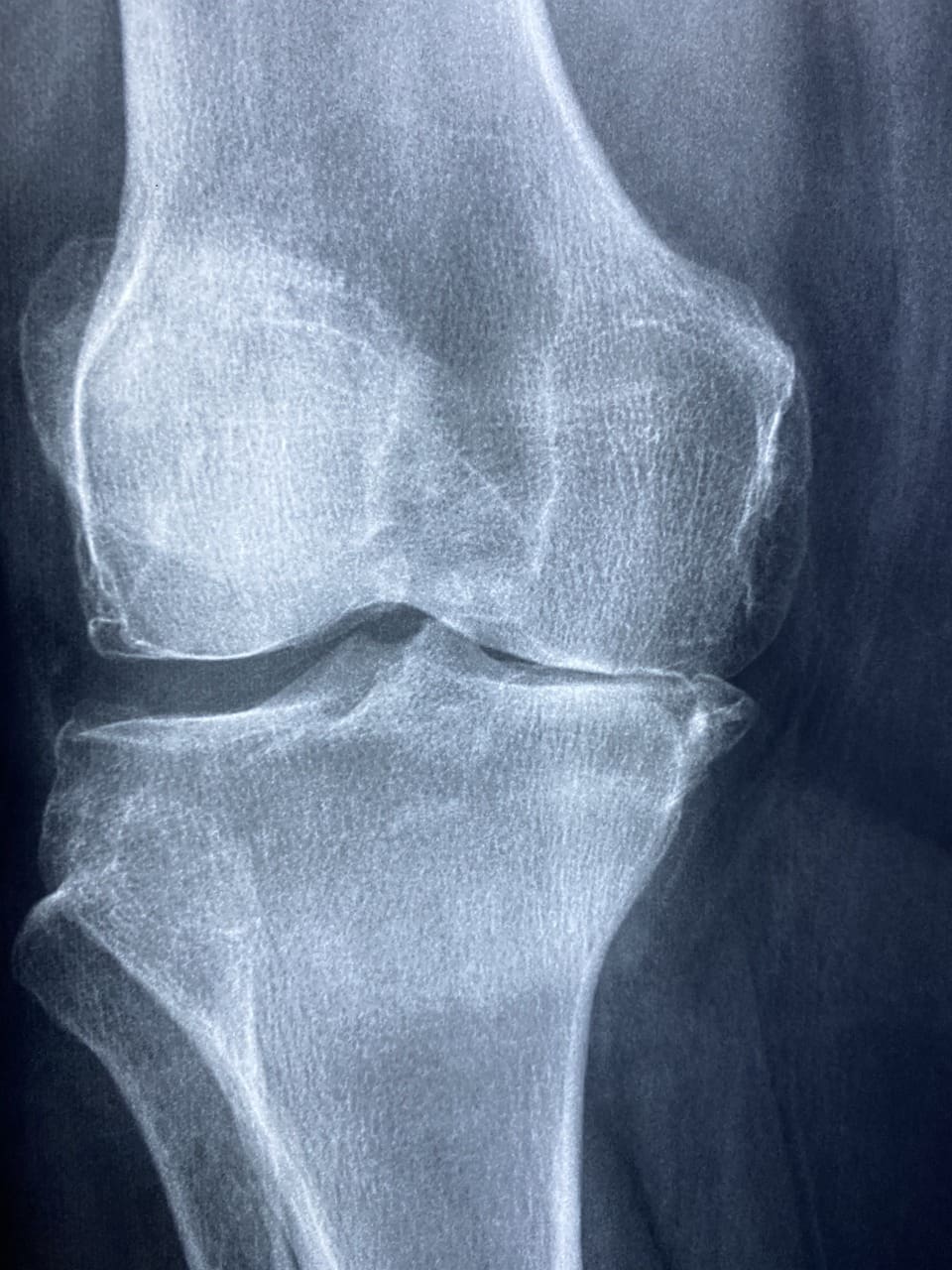
Understanding Rheumatoid Arthritis
Living with rheumatoid arthritis means dealing with chronic inflammation, pain, and stiffness in the joints. This autoimmune disorder primarily affects the small joints in the hands and feet but can also impact other joints throughout the body. Staying physically active is essential for managing symptoms and preventing further joint damage. However, it’s important to choose exercises that are gentle on the joints and won’t exacerbate pain or inflammation.
Walk Your Way to Better Health
Walking is one of the best exercises for managing rheumatoid arthritis because it is low-impact and gentle on the joints. Aim to walk for at least 30 minutes a day, five days a week to reap the benefits of this simple yet effective exercise. Start with shorter walks and gradually increase your time and distance as your endurance improves. Walking can help improve joint flexibility, reduce stiffness, and increase overall strength.
Embrace the Power of Water
Water exercises, also known as hydrotherapy or aquatic therapy, are excellent options for individuals with rheumatoid arthritis. Exercising in water provides resistance without putting stress on the joints, making it an ideal choice for those looking to improve strength and mobility. Consider joining a water aerobics class or simply swim laps in a pool to experience the benefits of this low-impact exercise.
Strengthen Your Muscles
Building and maintaining muscle strength is crucial for individuals with rheumatoid arthritis. Strong muscles help support and protect the joints, reducing the risk of injury and improving overall function. Incorporating strength training exercises into your routine can help you stay active and independent. Focus on exercises that target major muscle groups while avoiding heavy weights and high-impact movements that may aggravate joint pain.
Bodyweight Exercises
Bodyweight exercises, such as squats, lunges, and planks, are effective for building muscle strength without the need for equipment. These exercises can be modified to suit your fitness level and are gentle on the joints. Start with a few repetitions of each exercise and gradually increase as you build strength. Remember to maintain proper form to avoid injury and maximize the benefits of each movement.
Resistance Bands
Resistance bands are versatile tools that can be used to add resistance to your workouts without putting excessive strain on the joints. Incorporate exercises such as bicep curls, shoulder presses, and leg lifts using resistance bands to target specific muscle groups. Start with a light resistance band and gradually increase the intensity as your strength improves. Resistance bands are portable and easy to use, making them a convenient option for strength training at home or on the go.

Improve Your Flexibility
Maintaining joint flexibility is essential for individuals with rheumatoid arthritis to reduce stiffness and improve range of motion. Incorporating stretching exercises into your routine can help you stay limber and prevent joint pain. Focus on gentle stretching movements that target the major joints in the body, such as the shoulders, hips, and knees. Aim to stretch daily to improve flexibility and reduce the risk of injury.
Yoga and Pilates
Yoga and Pilates are excellent options for improving flexibility, balance, and overall well-being for individuals with rheumatoid arthritis. These mind-body practices combine stretching, strength training, and relaxation techniques to promote joint health and reduce pain. Look for classes specifically designed for individuals with arthritis or modify poses to suit your needs. Practice mindfulness and deep breathing during yoga and Pilates sessions to reduce stress and improve mental clarity.
Tai Chi
Tai Chi is a gentle form of martial arts that focuses on slow, flowing movements and deep breathing. This ancient practice has been shown to improve balance, flexibility, and strength in individuals with rheumatoid arthritis. Tai Chi is suitable for all fitness levels and can be adapted to accommodate joint pain and limitations. Consider joining a Tai Chi class or follow along with instructional videos to experience the benefits of this mindful practice.
Stay Active Safely
When managing rheumatoid arthritis, it’s essential to listen to your body and exercise safely to prevent injury and aggravating joint pain. Here are some tips to help you stay active safely:
- Warm-up before exercise to prepare your muscles and joints for movement.
- Listen to your body and stop if you experience pain or discomfort.
- Use proper form during exercises to prevent injury.
- Stay hydrated and take breaks as needed during your workouts.
- Consult with your healthcare provider or a physical therapist before starting a new exercise program.

Conclusion
Living with rheumatoid arthritis presents unique challenges when it comes to staying active and managing symptoms. However, finding the right exercises and incorporating them into your routine can make a significant difference in your quality of life. Remember to choose low-impact activities that are gentle on the joints, such as walking, water exercises, and bodyweight workouts. Strengthening your muscles, improving flexibility, and staying active safely are essential components of managing rheumatoid arthritis effectively. By following the tips outlined in this article, you can stay active, healthy, and resilient in the face of this chronic condition. Keep moving, stay positive, and remember that you are stronger than you think!